
Jeremy Clarkson spots issues with new F1 rules as warning sent to drivers

Former Top Gear host and huge Formula 1 fan Jeremy Clarkson has sent a major warning to the drivers ahead of the 2026 season.
In under two weeks, the 2026 F1 campaign will begin with the Australian Grand Prix, taking place around Melbourne's Albert Park.
The 2026 season promises to be a classic, with major changes made to the sport's technical regulations.
The new F1 cars are smaller, lighter and more agile, which is set to promote much closer action on track.
Advert
In addition, there is more reliance on battery power, with drivers tasked with making sure they have enough electrical power on the straights in order to complete easier overtakes.
Recently, Verstappen has been vocal about the sport's new regulations, claiming they are making F1 into 'Formula E on steroids'.
Last week, testing concluded, with the likes of Ferrari, Mercedes, McLaren and Red Bull said to be the teams battling for race wins.
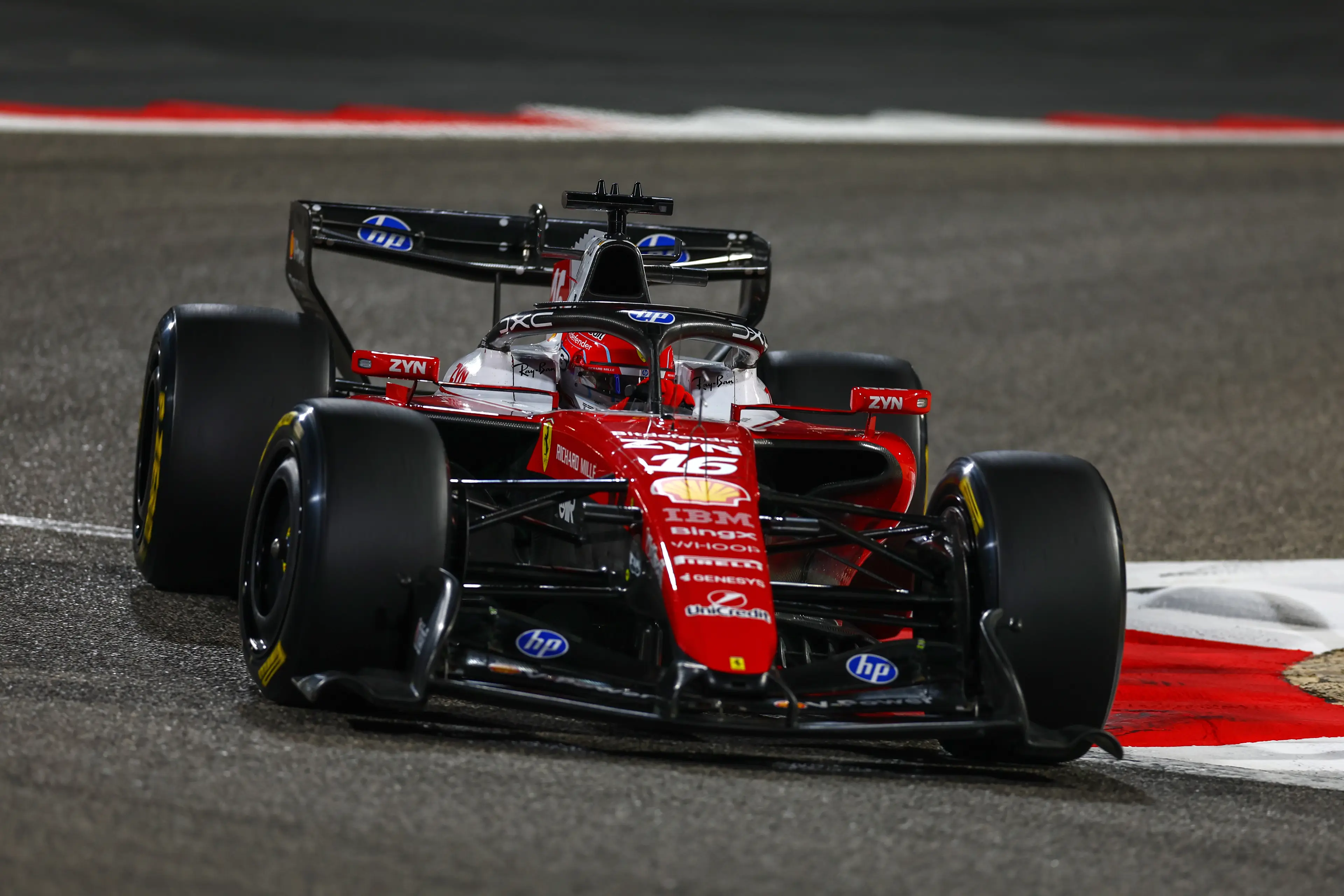
In his latest column for The Sun, former The Grand Tour host Clarkson, who is an avid F1 fan, having been spotted at multiple Grands Prix, has raised concerns about the new regulations.
Clarkson stated that although the new rules sound exciting, there are issues that drivers will have to deal with as the season begins.
The 65-year-old also touched on the problems Aston Martin have faced ahead of the new campaign.
He wrote: "Half the power now comes from batteries that must be recharged every lap. The cars are smaller too and have narrower tyres, which means less grip. And there’s no DRS on the rear wing.
"On paper, it all sounds very skiddy and exciting but after three days of testing in Bahrain this week, it’s clear that there are some issues. At tracks such as Monza and China, the cars will run out of electrical power before they reach the end of the straight."

Clarkson added: "Which will cause them to suddenly and dramatically slow down. That is going to be a problem for the car behind. On the start line, they need to be at full revs for ten seconds for the turbocharger to wake up or the car will stall when the race begins.
"Then there’s the disparity in performance. Some are claiming that the Aston Martin is four seconds a lap slower than the Mercedes. And on top of all this, there’s the big question of reliability. It’s accepted that with so many new and untried parts, it’s inevitable there will be failures. So it won’t be Drive To Survive any more. It’ll be Don’t Break Down To Survive."
Topics: Formula 1
 Marcus Chan