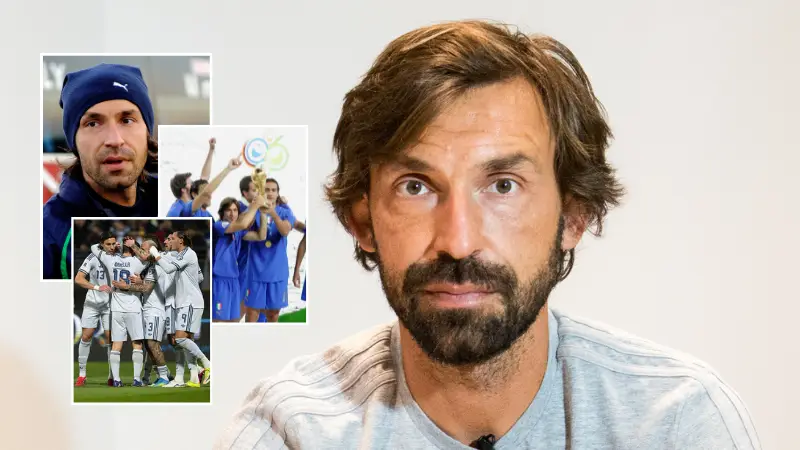
Andrea Pirlo interview: 'Football has changed and unfortunately we've been left behind'

"It's been a while since Italian football was at its best," says Andrea Pirlo, a defeated look etched across his timeless face. "Football has changed and unfortunately we've been left behind."
The emotions from that night in Zenica are still raw. Eight weeks ago, Italy failed to qualify for a third successive World Cup after they lost on penalties to Bosnia and Herzegovina in a qualification play-off final.
It was, for many, the lowest point in the history of the national team, a disastrous result that epitomises the state of Italian football on the whole.
"Football is fast and you have to evolve because you can't always have the mentality of 20 years ago, when we were the masters of the world in terms of organisation, quality and tactics," Pirlo says. "We need a generational change."
Advert
So, the question remains. How does Italian football move on from such a devastating result? The Azzurri must find a way to rebuild, both on and off the pitch.
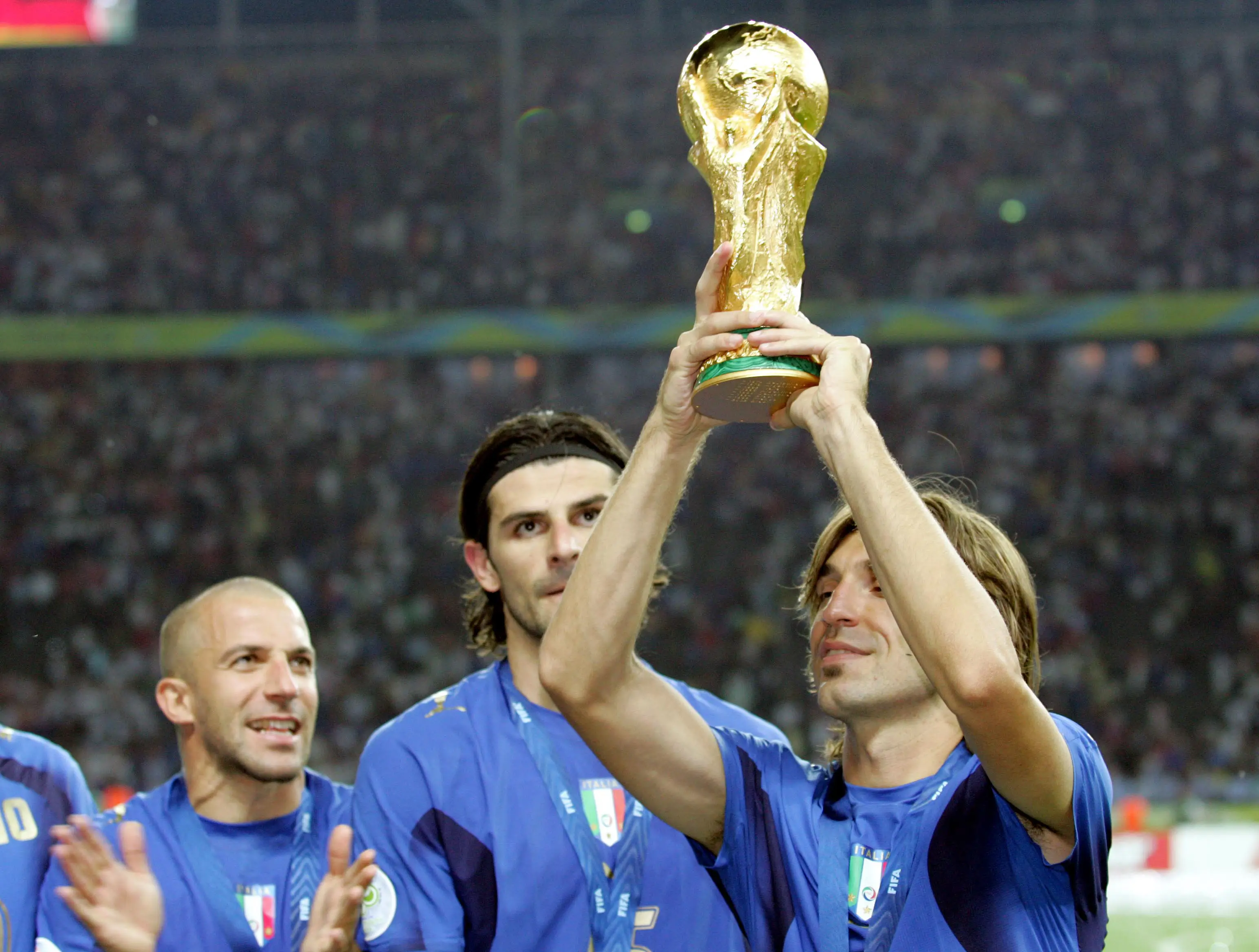
When Italy lifted the World Cup in 2006, their squad boasted an average age of 26.7, with their youngest player at the time, Daniele De Rossi, just turning 22. Times, however, have changed and youth is very much at the forefront coming into this summer's tournament.
Many have linked the decline of the national team to a lack of youth development, but that narrative may change in the coming months after interim manager Silvio Baldini made a statement of intent this week.
Baldini selected a squad with an average age of just 20 years and six months ahead of upcoming friendlies against Luxembourg and Greece.
A number of players have been given their first senior call-up, including Borussia Dortmund teenager Samuele Inacio, while the highly-rated Francesco Camarda was included alongside Francesco Pio Esposito and Davide Bartesaghi.
Pirlo certainly seems positive about the drastic change in strategy. "A lot of new players will have the opportunity to show their game," he says, just hours after Baldini's 24-man squad was announced.
"I hope it can open a new cycle. Many players will go back to playing for the under-21s, but some will continue to play for the national team. Niccolò Pisilli, who plays for Roma, is an exciting player, and so is Pio Esposito. There are a lot of players who have real quality."
Andrea Pirlo mentions identity as he speaks about the balance of Italy's squad
Naturally, the interview with Pirlo turns to this weekend's Champions League final between Arsenal and Paris Saint-Germain and straight away, the Italian brings up a player who continues to shine on the big stage.
"Vitinha is a master of the game," Pirlo beams. "He always manages to get out of difficult situations. He has great vision and always has his hand on the play. I'd say Vitinha is the one player in world football who resembles me the most, but I also like Declan Rice."
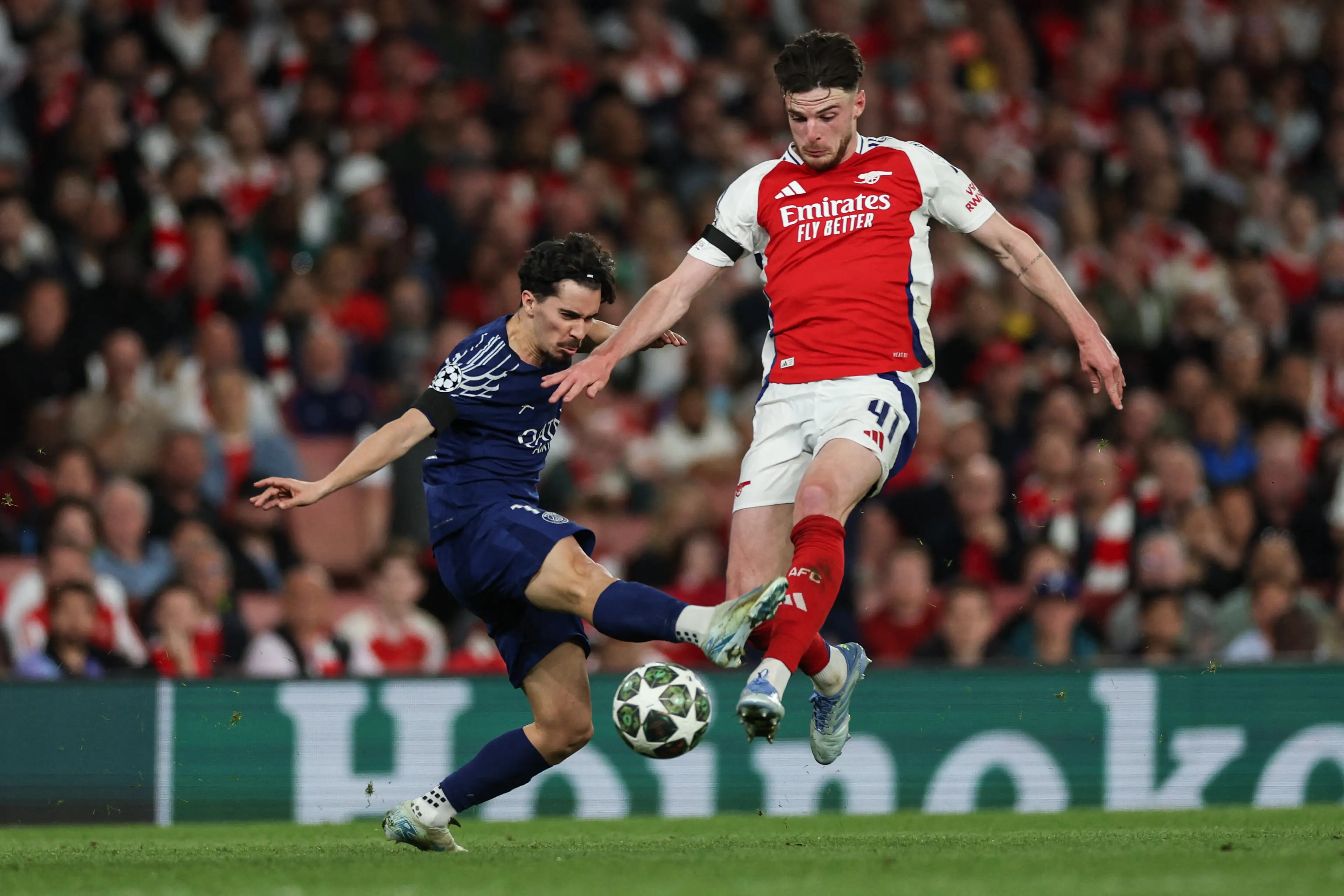
"PSG have more of an advantage coming into the final because they won last year and beat Bayern in the semi-final," added the former midfielder.
"Arsenal have just won the Premier League and they're very positive at the moment, so I would say PSG have a 60% chance of winning. But you never know in a final."
Vitinha and Rice will go head-to-head in Budapest on Saturday night, a match-up that should bring a smile to the face of Pirlo, who appreciates what both have to offer. He believes Italy crave such talent in central areas.
Asked about Italy's balance in their squad with players such as Nicolo Barella and Manuel Locatelli. Pirlo raises his eyebrows.
"Right now in Italy, there are no players who could perform at the level required for a Champions League final. They are good players for the Italian league, but at the moment, unfortunately, we (Italy) don't have players who have that big identity like the ones I mentioned."
Baldini's Italy will be hoping to show some signs of improvement next month, when they come up against Luxembourg. Pirlo, and millions of other Italians, will be watching with interest.
Topics: Italy, Spotlight, Champions League, FIFA World Cup
 Jack Kenmare