What's gone wrong with F1's new £71m circuit before it's even hosted a race

The Circuito de Madring, in Madrid, is scheduled to host the Spanish Grand Prix for the first time later this month - though the build-up to the race has been hit by various problems.
The circuit, which runs around Madrid's IFEMA Exhibition Centre, is set to host Formula 1 races on a nine-year contract until 2035. September 13 is the assigned date for its inaugural Grand Prix.
It features a 0.5km semi-circular corner which features a banking level of 24 per cent and has been described as an 'imposing wall of asphalt that aims to redefine the concept of a Formula 1 car'. The full cost of the circuit is believed to total around €80 million (£71m).
Williams driver Carlos Sainz, who was born in Madrid and is an ambassador for the circuit, drove the first flying lap of the Madring from an F1 driver when he took to the track in a road car back in May.
Advert
"It's impressive, because I didn't expect to have so much fun," Sainz told F1's official website.
"I didn't expect it to be so flowing, so wide, where you can actually lean on the car for so long, especially that open section, and I just realised how fast we were going. If we were going fast in this, imagine it in a Formula 1 car."
But while drivers clearly hold excitement for the inaugural Grand Prix at the Madring, its arrival on to the circuit has not been completely smooth sailing.
Cable theft
ABC reported on Monday that, following a Formula 3 test event, it was discovered that electrical cables at the circuit had been stolen by unidentified perpetrators.
It is said that the theft was discovered on Sunday, with cables stolen from generators in the tunnel section of the Madring circuit.
READ MORE: Police launch investigation after theft at brand-new F1 circuit days before Spanish Grand Prix
The report adds that around 300 metres of cable were found to have been stolen, and the National Police Corps have launched an investigation into the incident.
Delay fears
There were believed to be concerns that the Madring was behind construction schedule, but those concerns were dismissed by the FIA in May.
"At the moment, everything is on track and progressing as planned," a spokesperson for F1's governing body said. "Another visit is scheduled for August."
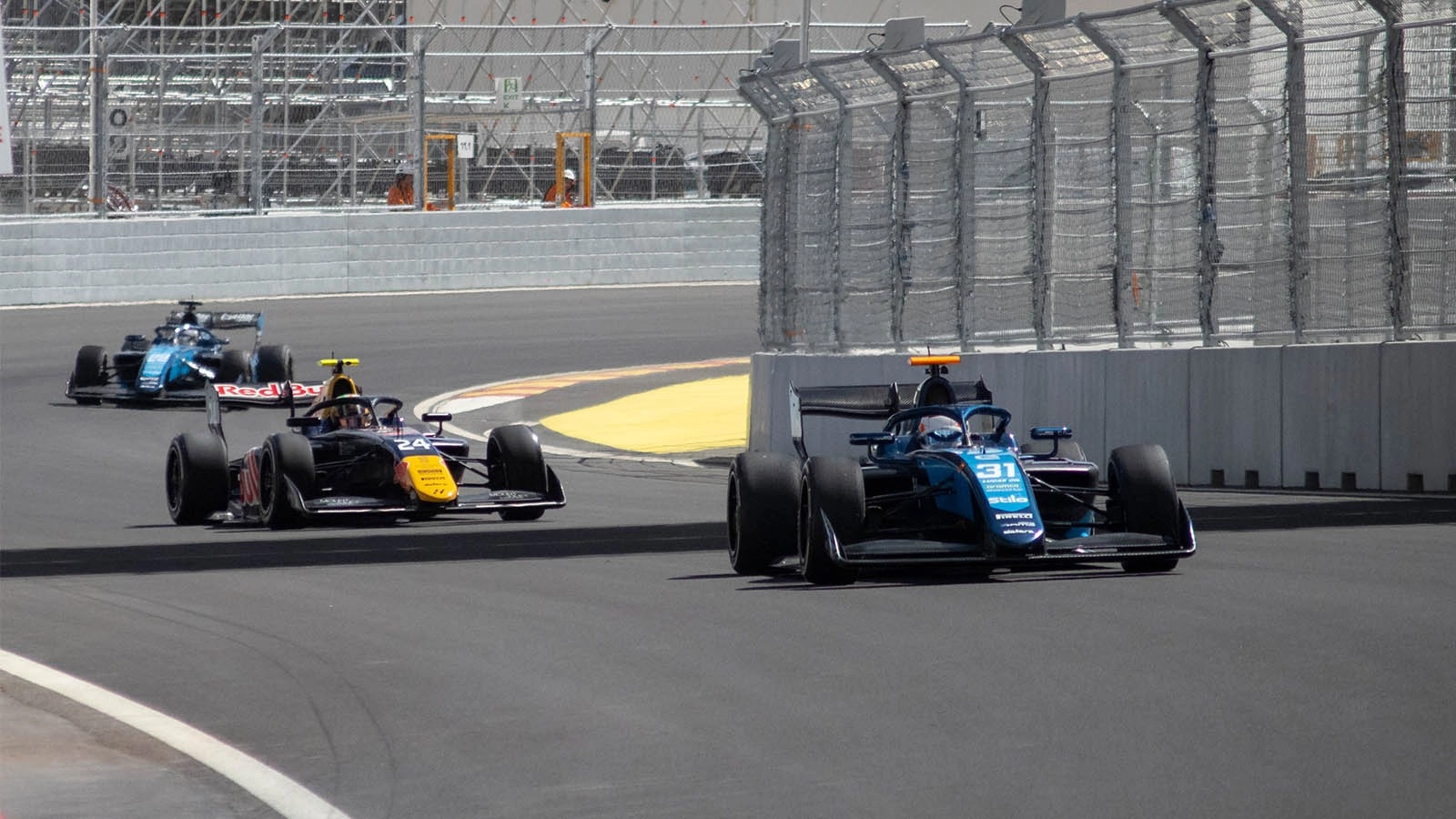
At the F3 test event held last month, organisers said that 'the track and the sporting, technical and safety operations have functioned under real conditions'.
Noise and environmental protests
It was reported by The Guardian on Monday that a protest group, called Stop F1 Madrid, had launched legal action against the Madring over the average recorded noise levels at the circuit.
The report claims that the average noise level was recorded at 102.7 decibels during the F3 test, with a peak of 109.1 decibels. Noise levels are not permitted to exceed 55 decibels in residential areas.
There are also concerns among residents over the amount of people expected to descend on the area for the Grand Prix; over 90,000 tickets have already been sold for race day.
Madrid's city councillor for urban planning, mobility and the environment, Borja Carabante, has reassured the public that acoustic panels will be put in place in time for the Grand Prix to lower noise levels.
It has also been noted that Formula 1 cars are quieter than their F3 counterparts, though how that exactly will affect the noise level is unclear.
 Ryan Smart