FIA trigger new rule for second time in F1 history before Canadian GP qualifying

The FIA have triggered one of their brand-new rules for 2026 for just the second time ahead of Canadian Grand Prix qualifying.
Qualifying for the main Grand Prix gets underway in Montreal at 9pm UK time.
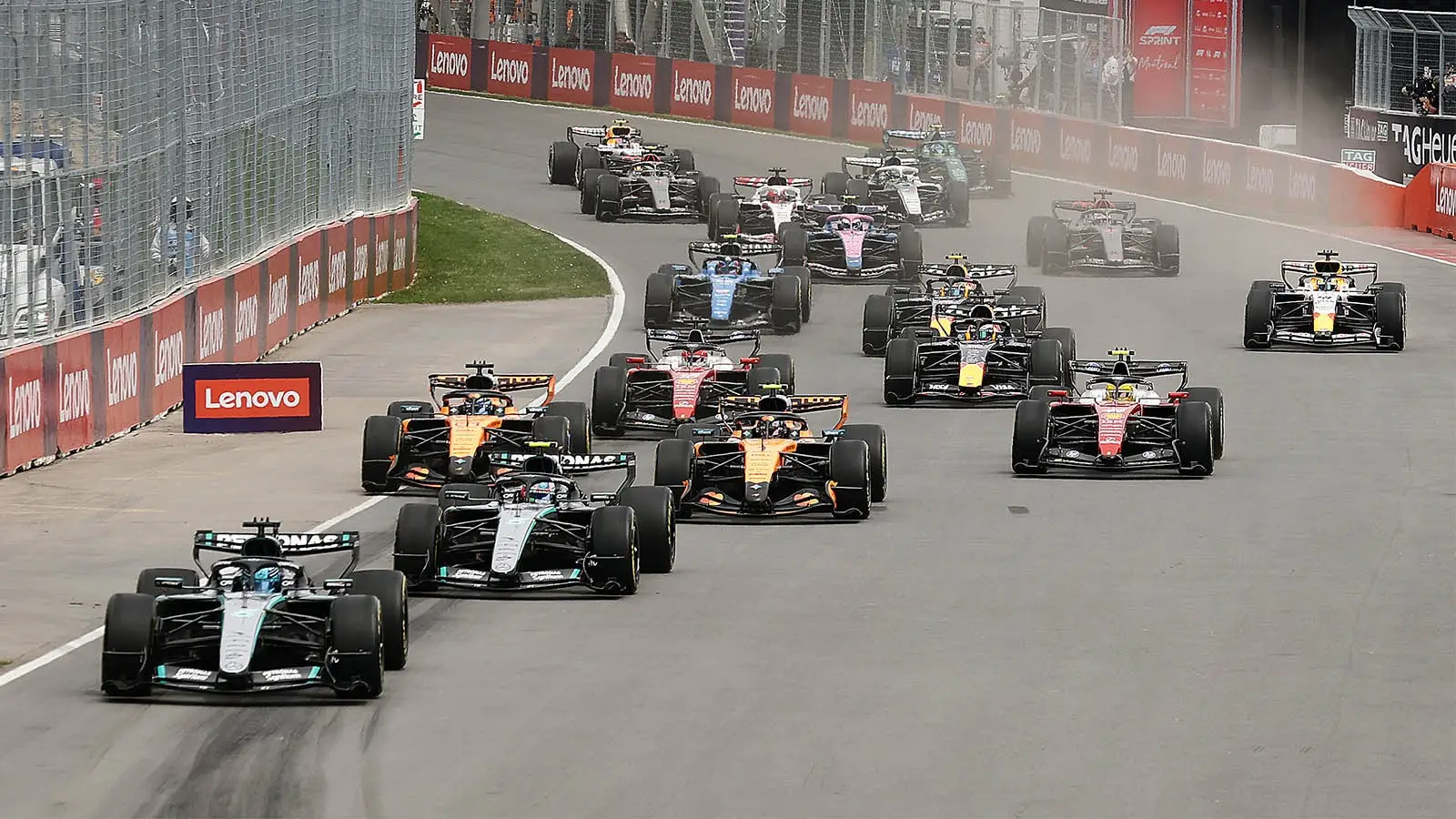
Mercedes' George Russell won the sprint race in the afternoon, finishing ahead of McLaren's Lando Norris and his Silver Arrows team-mate Kimi Antonelli.
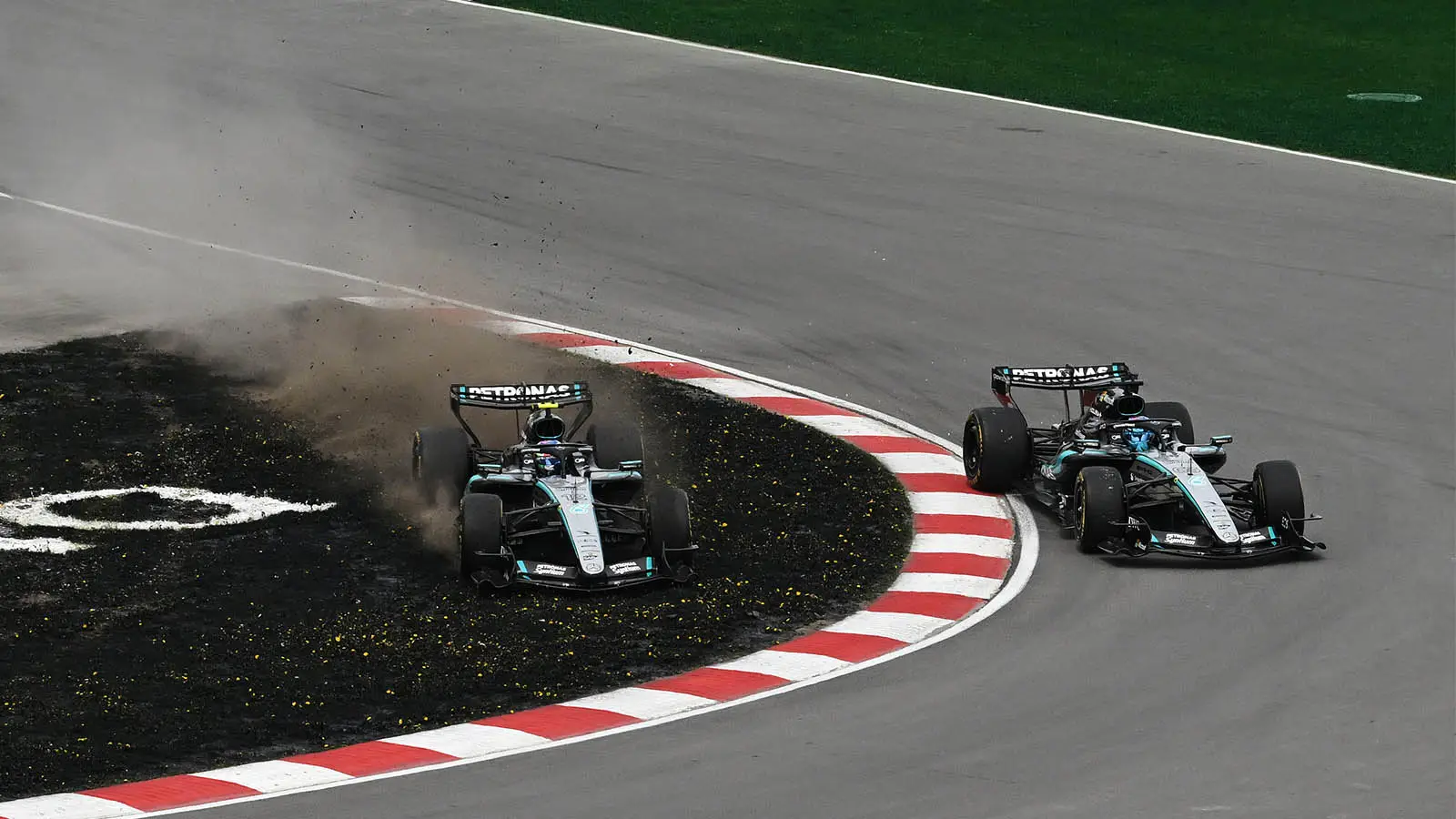
Russell and Antonelli were involved in a controversial on-track incident which prompted team principal Toto Wolff to intervene via team radio.
Advert
Antonelli accused Russell of forcing him off the track during an overtaking manoeuvre, but neither driver was punished by the FIA.
READ MORE: Kimi Antonelli furiously demands punishment after George Russell incident during Canadian GP sprint
While the sprint was ran in fully dry conditions, the FIA have announced that they have invoked a 'rain hazard' ahead of qualifying.
The relevant documentation, posted on the FIA's official website, reads: "In accordance with Article B.1.5.11 of the FIA F1 Regulations, having received a forecast from the Official Weather Service predicting that the probability of precipitation will be greater than 40% at some time during the Race at this Competition, a Rain Hazard is declared."
What is a rain hazard in F1?
The rain hazard rule was introduced at the beginning of the 2026 Formula 1 season, coinciding with a raft of regulation changes.
It allows teams to adjust their car setups while under parc ferme conditions during a race weekend.
Cars enter parc ferme as soon as they return from qualifying, and teams cannot adjust them - barring minor front wing adjustments, the replacement of damaged parts and changing of certain fluids - between then and the beginning of the Grand Prix.
During weekends where changeable conditions are forecast, it was previously extremely difficult for teams to decide how best to set up their cars for the weekend.
For instance, teams could utilise a wet-weather setup for a wet qualifying session and start further up the grid, but then could be penalised during a dry race as their cars would not be set up correctly for the conditions.
The new rain hazard rule allows teams to better adapt during weekends depending on those conditions, and is activated if the official risk of rain stands at over 40 per cent.
The Race report that the rule also helps teams to protect the plank - situated on the car's underfloor - from excessive wear, as they can change ride heights and active front aero settings.
If a car exceeds the permitted plank wear in FIA scrutineering after a Grand Prix, they are automatically disqualified.
The rule is reportedly in place during the first nine Grands Prix of the season and may be extended further should the initial trial be successful.
It was triggered for the first time ahead of the Miami Grand Prix earlier this month, where thunderstorms and heavy rain were expected.
But the race weekend stayed almost completely dry and teams were therefore presented with relatively consistent conditions under which to set up their cars.
 Ryan Smart