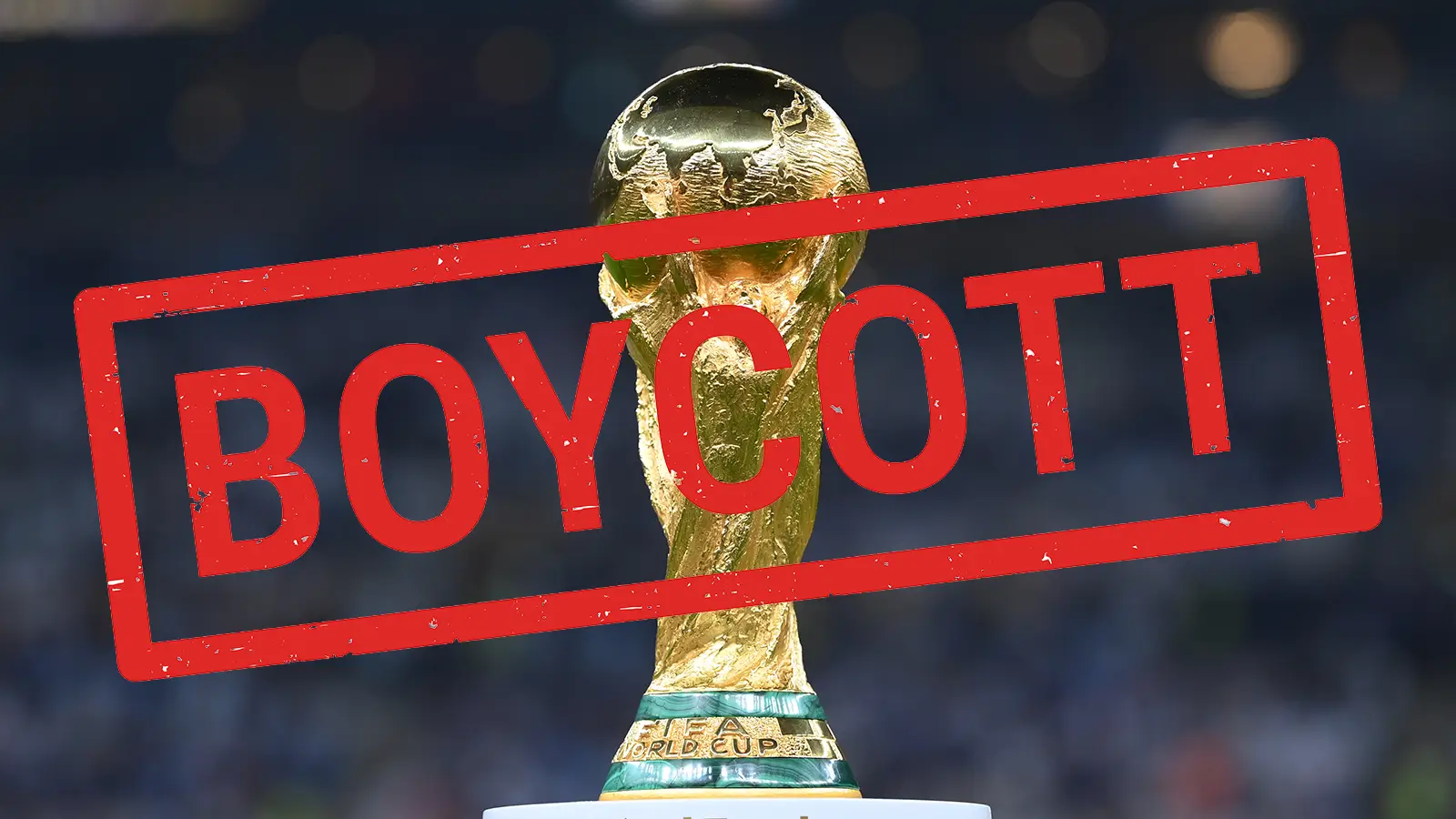
Nine countries that have boycotted World Cup finals

Iran could join the list of countries that have boycotted the World Cup should they not compete at this summer's competition.
Even though they have already qualified for this summer's tournament in the United States, Mexico and Canada, Iran are "unlikely" to feature following US-Israeli attacks on the country this week, according to their football federation president.
Speaking on Iranian public television, Mehdi Taj said: "With what happened today and with that attack by the United States, it is unlikely that we can look forward to the World Cup, but the sports chiefs are the ones who must decide on that."
A report from The Sun suggests Iran could boycott the World Cup after US airstrikes killed Supreme Leader Ayatollah Ali Khamenei.
Advert
Away from the situation in Iran and several nations have threatened to boycott the competition, including Germany and Euro 2024 winners Spain, who have threatened to walk away from the competition should governing body FIFA allow Israel to compete.
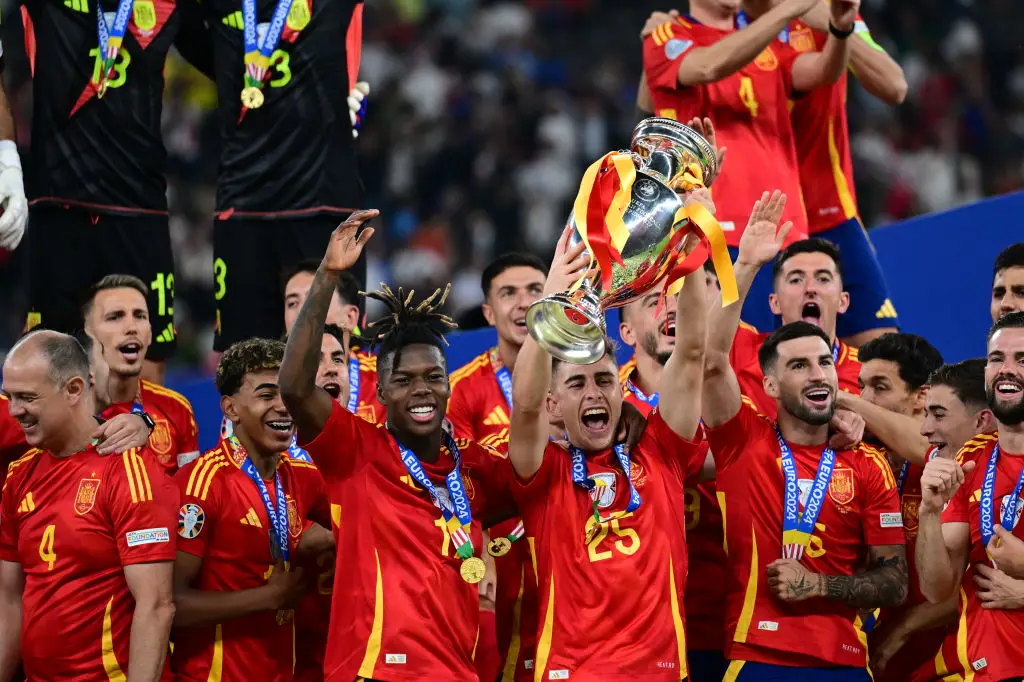
Should Spain or Iran decide against taking part, it will be the first time a country has boycotted a World Cup in decades. But which countries have opted out of playing in the major competition, and why?
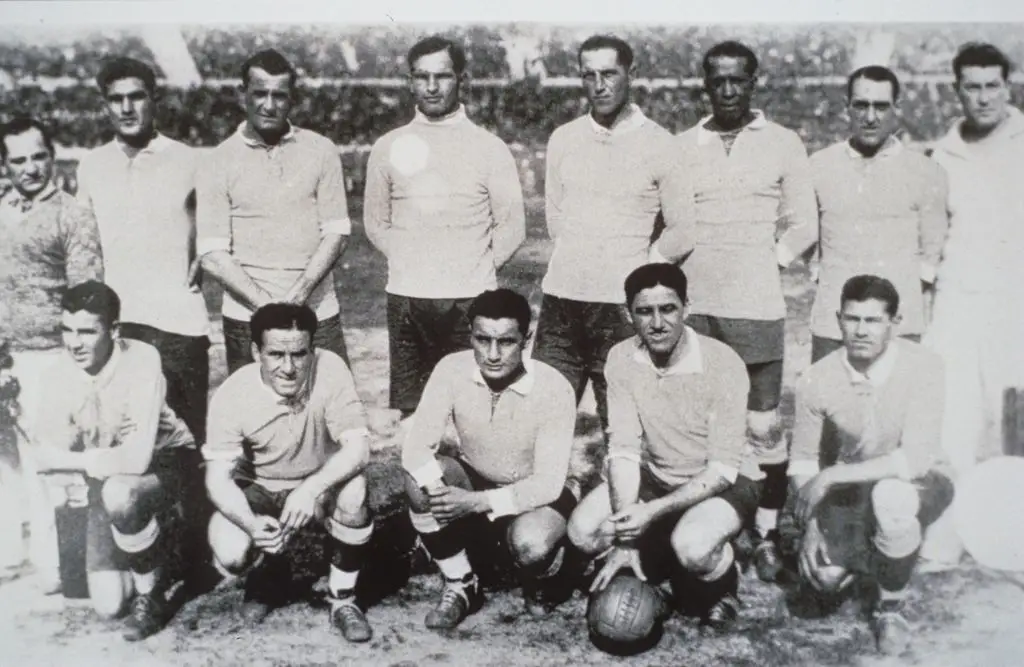
Perhaps one of the most notable boycotts came in 1934, when former winners Uruguay declined to defend their trophy in Italy four years later.
Their decision to do so was a protest due to the lack of European teams that had decided to travel to the 1930 competition hosted in Uruguay.
As it stands, Uruguay remain the only winners not to defend their title at the following World Cup.
In the same year, England, Scotland, Wales and Ireland also decided not to take part in the competition simply because they believed that their own Home Championship was superior to the World Cup.
Four years later, Uruguay continued their boycott of the World Cup, but this time they weren't alone as fellow 1930 finalists Argentina also refused to compete in the 1938 competition.
Argentina's Football Federation expected to be the hosts of the competition, believing that the World Cup would alternate between South America and Europe, but France was instead chosen as the 1938 hosts.
Therefore, to loudly express their anger at the decision, both Argentina and Uruguay withdrew from the competition.
Thankfully, following the boycotts in 1938, it was not until 1950 that another country decided to protest the World Cup, as India decided not to take part in what would be their only chance to play at the tournament in their history.
For the 1950 World Cup, which was held in Brazil, one qualifying position was available for Asia, with India, Indonesia, the Philippines and Burma set to face off to decide who took it.
However, after the other three nations decided that they didn't want to play, India automatically qualified.
Sporting myths suggest the reason behind India's withdrawal from the World Cup was that they were banned from playing barefoot.
But, although India did play barefoot, or in just socks, at the 1948 Olympics in London, a report from the Los Angeles Times suggests that the real reason they pulled out of the 1950 World Cup was simple. They did not think the tournament was important enough.
In the same year, Scotland also refused to take part after the Scottish Football Association said they would only send their team if they won the Home Championship outright, something which they failed to do.
Meanwhile, Turkey withdrew as they complained about the financial costs of sending a team across the Atlantic.
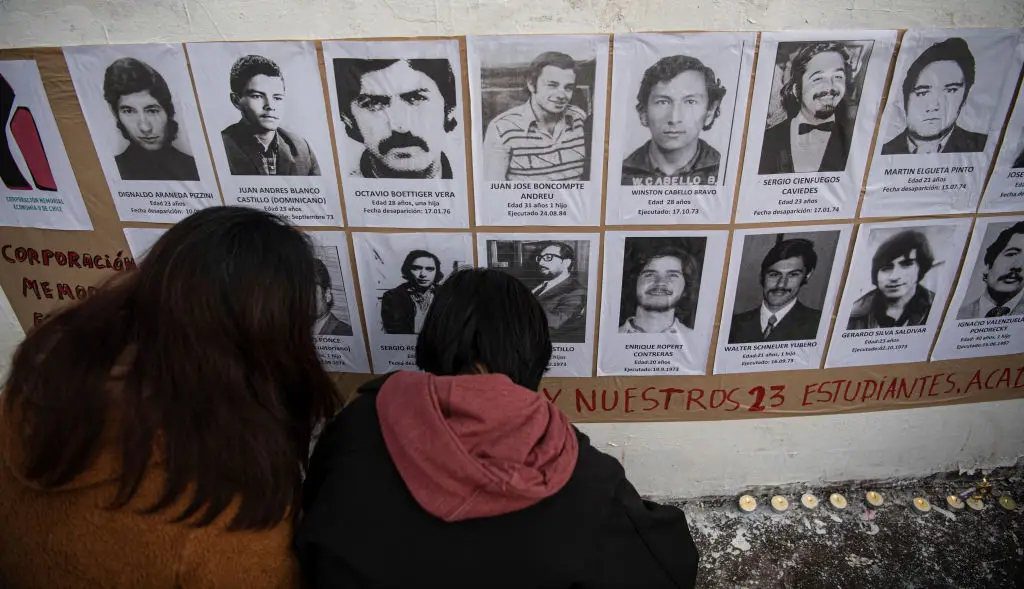
The next notable withdrawal came in 1974, as the USSR, who were coming off an impressive era led by legendary goalkeeper Lev Yashin, failed to qualify after refusing to play Chile in a play-off between European and South American qualifying runners-up.
After the first leg in Moscow ended as a 0-0 draw, it all came down to the return leg in Chile, but the match was thrown into chaos as the USSR asked for the venue to be changed following the violent coup d'etat that brought General Pinochet to power.
Ultimately, this never happened and the USSR refused to send a team out, with the Chilean team qualifying after playing the match by themselves, passing the ball to each other before putting it into an empty net, leading the referee to end the game.
Of course, there have been several other countries that have pulled out of competing in the World Cup at the qualifying stage or as part of a combined withdrawal alongside several other nations.
One of the most notable came in 1966, when England became the only hosts to have an entire continent boycott their World Cup as all of Africa withdrew from qualifying.
Topics: Spain, FIFA, Football, FIFA World Cup
 Ben McCrum