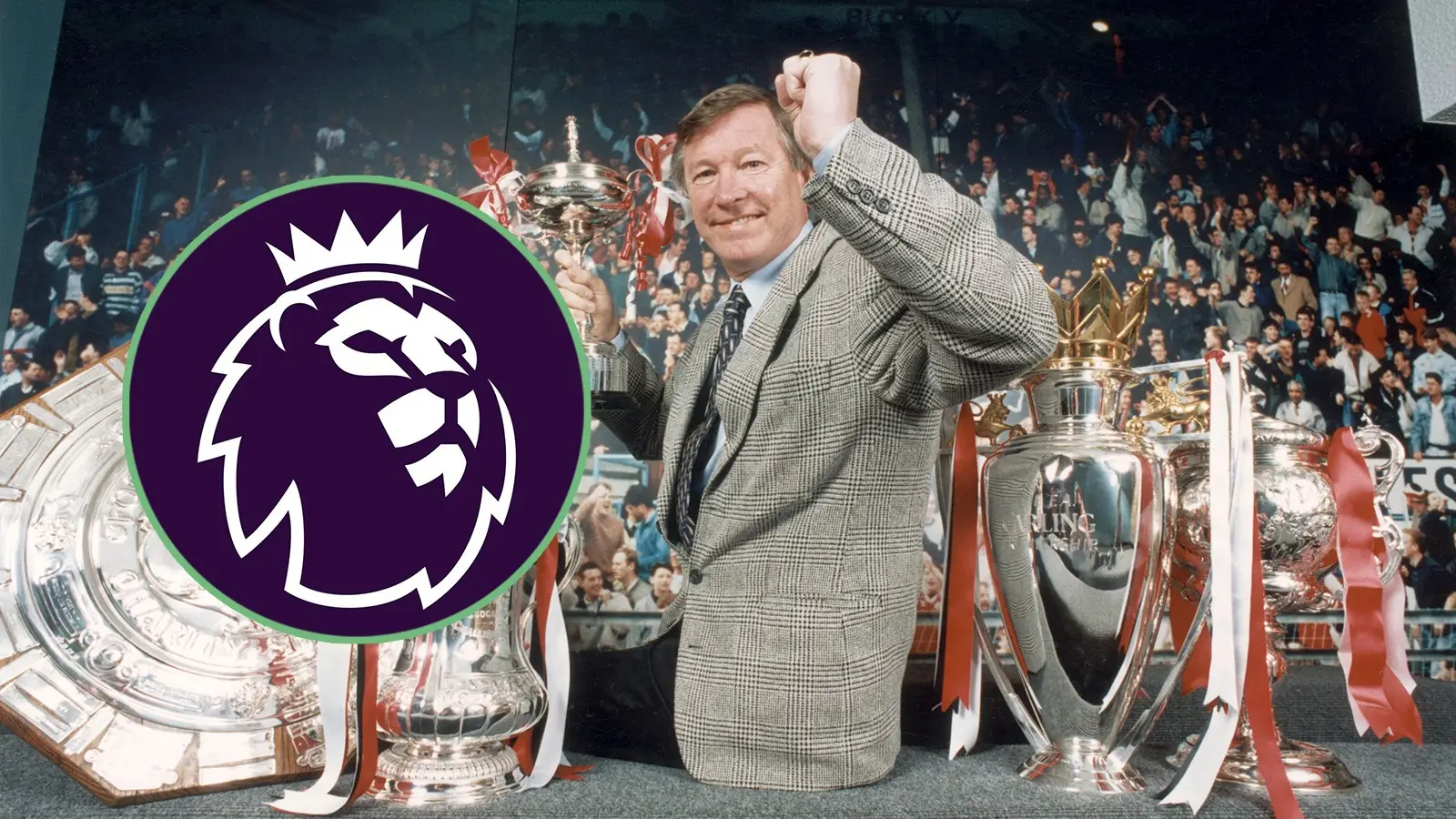
Future of football predictions from 1994 emerge and they're scarily accurate

A set of predictions for the future of football from back in 1994 have re-emerged - and they are incredibly accurate.
Football as a whole has fundamentally changed over the past 30 years, largely due to the advancements in digital technology and the increased power and influence of rights holders across the sport.
Sky Sports no longer hold a total monopoly over the English Premier League as they once did, with TNT Sports and Amazon Prime among those entering the market.
Paramount+ are attempting to make a big splash as they target the English football market, while Disney+ hold the rights to Women's Champions League action in a partnership with ESPN.
Advert
Then there's DAZN, who show coverage of several top-flight European leagues across men's and women's football as well as the National League.
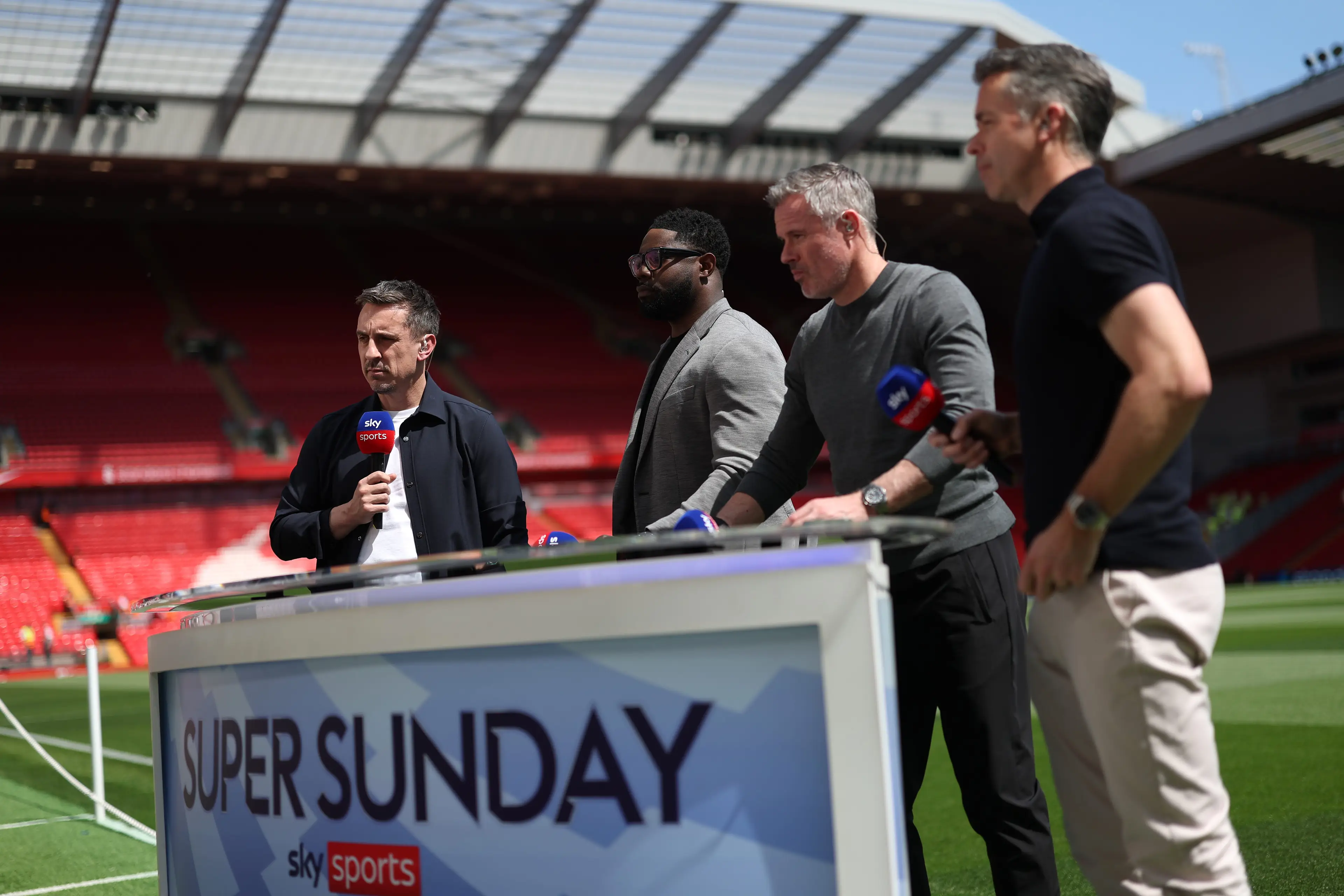
For match-going fans, ticket prices have gone through the roof at stadiums across the UK, with clubs spending more on transfer fees than ever before and earning near £100 million per season in TV rights.
The sport is almost unrecognisable to what it was 30 years ago, and while a number of things have undoubtedly changed for the better over that time, a lot of fans are disillusioned with the current state of football and the direction it is going in.
In 1991, the BBC launched 'Standing Room Only', a football magazine-style programme that spanned six series and 32 episodes between 1991 and 1994.
In 1994, three contributors made some bold predictions about what football would look like in 2004 - and they were almost all proven to be exactly right.
Football predictions from 1994 revisited
Neil Duncanson, then the managing director of Chrysler TV, said: "If you think television is too powerful in sport now, in 10 years' time you won't believe the amount of control they have.
"Television will run football completely in the next century."
In the 2025/26 season - and for decades - Sky Sports and TNT Sports have dictated the fixture schedule, with Premier League matches being moved before each month to TV-friendly kick-off times given the Saturday 3pm blackout is still in place.
It is the same story in the EFL, with Sky criticised for occasionally scheduling early kick-offs for matches that require multiple-hour journeys in order to get to.
And any club relegated from the Premier League receives parachute payments totalling nearly £100 million for three years, designed to cover for lost TV revenue that they would have received had they stayed in the top flight.
Other EFL clubs receive solidarity payments from the Premier League, but it is a fraction of the parachute payment amount.
Alex Fynn, a football author and consultant, predicted: "In 10 years' time, the fans will be incidental.
"If they are part of the equation, it will only be because the television companies want them to provide a spectacular background so that they can bring their pictures into millions of homes."
The show even predicted the invention of a European Super League - which only didn't happen after being proposed in 2021 because of major and immediate backlash from supporters.
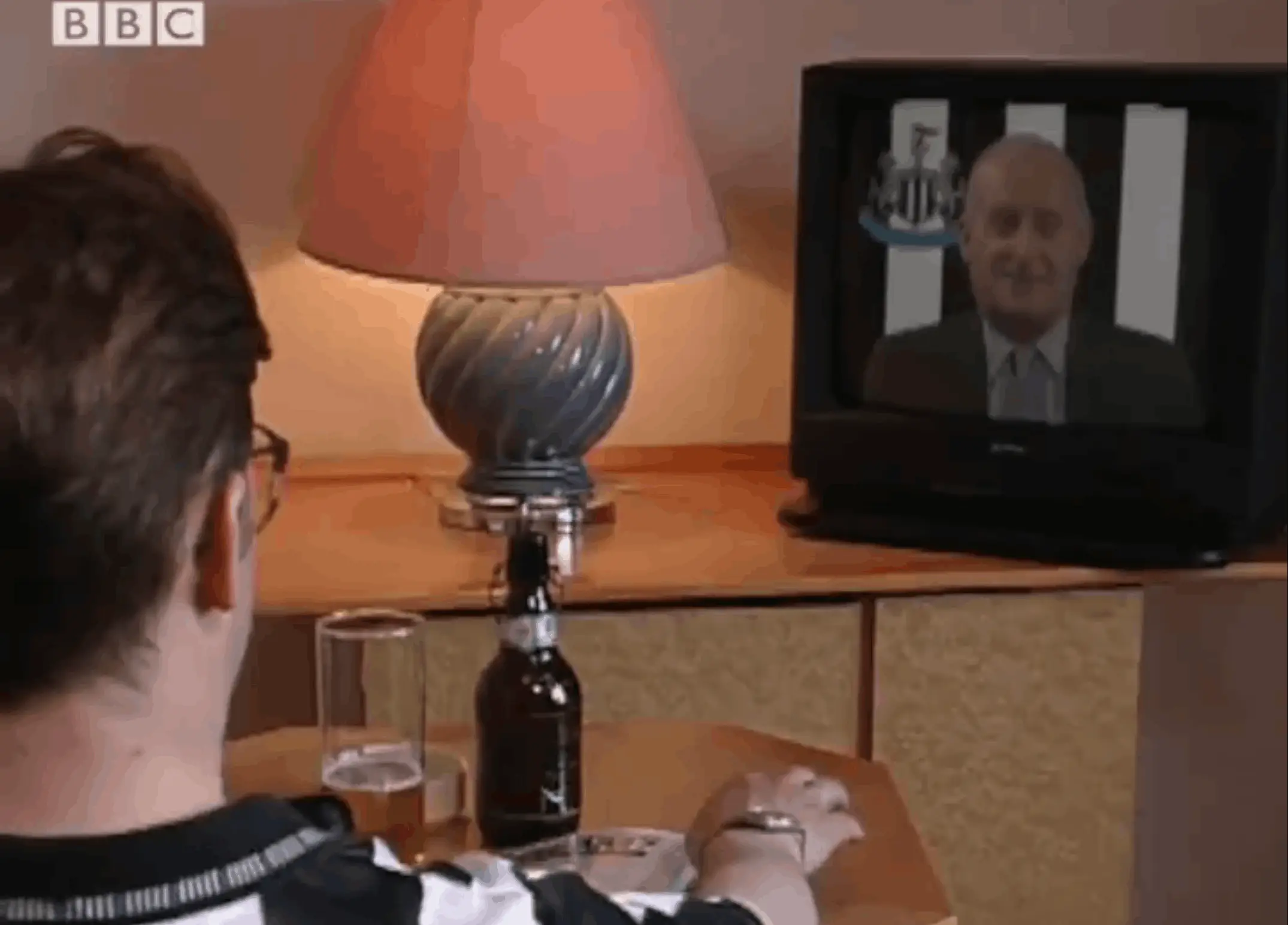
Duncanson added: "He'll watch it on his own local Newcastle cable station, because the BBC or ITV won't be able to afford the rights to the game.
"The cable operator will have paid a fortune for it, but he knows he will get the money back from subscription.
"It's probably going to be going on pay-per-view, so you put a card or a number on your telephone, tap it in, five quid docked from your account, and the game comes up."
Amazon Prime experimented with a pay-per-view set-up for their coverage of the Nations League and World Cup qualifiers, with fans able to pay £2.49 to watch one of the matches.
Back in 2001, the Premier League introduced 'PremPlus', where fans could pay extra as a subscription service per month to watch a select number of matches not broadcast by Sky Sports.
The service lasted for six years until the end of the 2006/07 season before being shut down.
And Arsenal fanzine editor Mike Collins predicted: "The new style of fan will see losing as a sign of failure, and will not want to turn up.
"Hence, the hardcore support, which always carries a club through its leaner times, will have gone, priced out, to be replaced by people who are really just glory hunters.
"If this is the future of football, you can stuff it. Because I, and all the other old-style fans, just want no part of it at all."
Topics: Premier League, Sky Sports, Football
 Ryan Smart