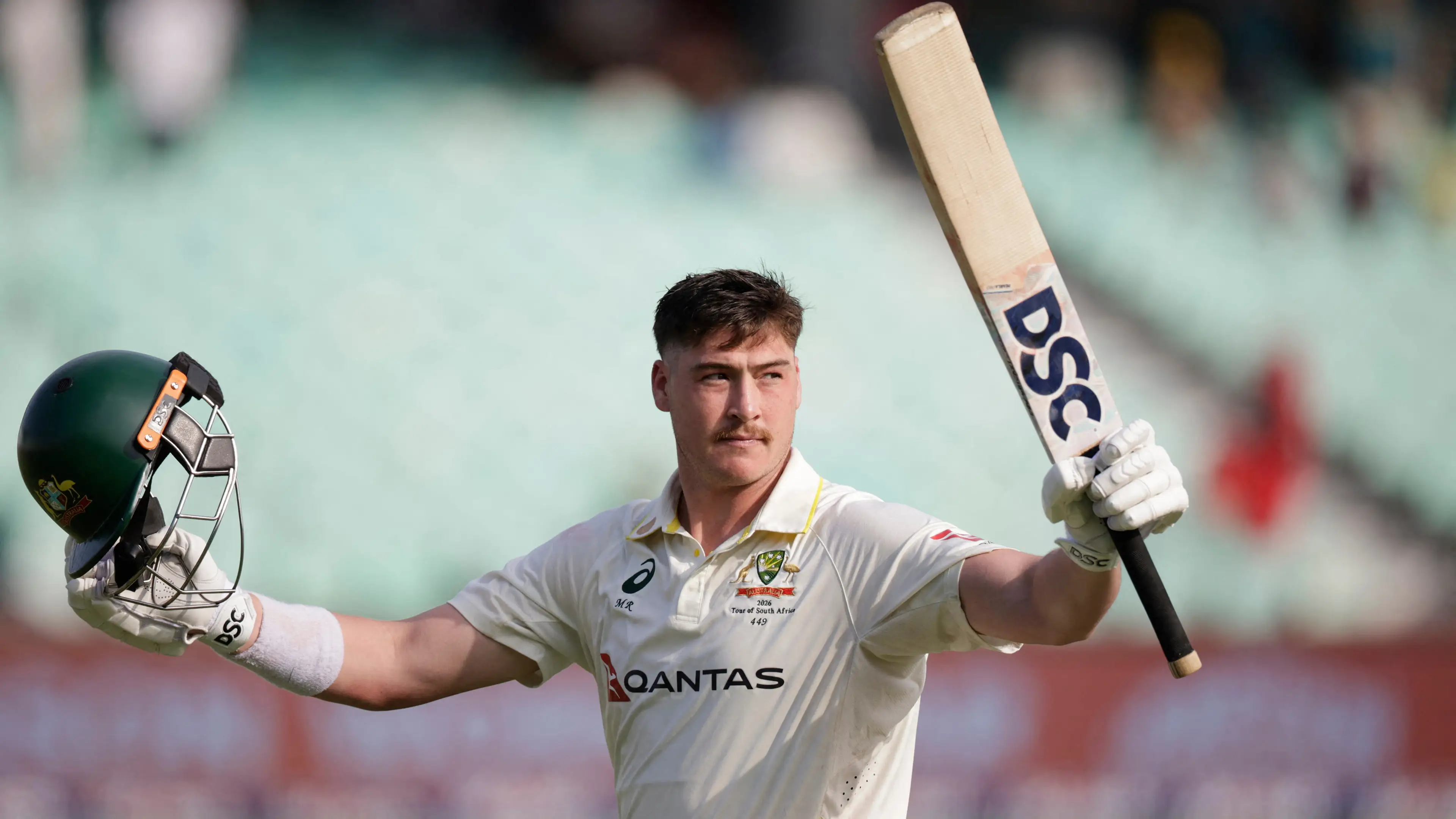
Matt Renshaw has exposed the key dilemma now facing Australia with stunning career-best score

Matt Renshaw walked to the crease on day one in Durban with Australia at 84 for three. Sixteen overs into his innings, they were six wickets down for 124.
What happened in the hours, and day, that followed was nothing short of remarkable. If you’d offered Australia 300 from that position of 124 for 6, they would have snapped your hand off. But 390?
After compiling a career-best score of 190, Renshaw was the last man out after an innings for the ages. He’d batted for 390 balls. And 111.2 overs. And 12 minutes short of eight hours.
READ NEXT: New Sandpapergate detail could emerge after eight years as Usman Khawaja 'holds meeting'
Matt Renshaw's mammoth innings - and what Australia do next
Renshaw left practically everything outside of the off-stump corridor from the fast bowlers. He defended solidly on the front and the back foot. And brought out his more expansive strokes to the spinners.
Advert
His partnership with Nathan Lyon spanned 134 runs. Lyon contributed 27 valuable runs, and captain Pat Cummins 43 earlier on, to provide crucial support - meaning that not only did Renshaw go big, but he showed patience and skill - the three key facets of any Test batter.
But it opens up the question: what do Australia do now?
Renshaw was supposed to open the batting in Durban, had Cameron Green not got injured. Nic Maddinson instead got the nod to open, 18 months after his last first-class innings.
Prior to his diagnosis with testicular cancer in January 2025, Maddinson had opened in Sheffield Shield cricket for New South Wales. He's opened in one day cricket since his comeback after being given the all-clear in September of last year. His 33-ball duck wasn’t pretty to watch - it was, in fact, the longest duck by a Test opener this century - but he will have the second innings to bounce back. And there will no be nobody more keen to get runs on the board.
Having put their faith in Maddinson, Australia's selectors surely won't discard him after one Test, whatever happens. If they do, you could ask: what was the point of picking him in the first place?
Beyond this series, they have a ready-made opener in Renshaw, who has almost always faced the new ball in domestic cricket. He's done it for his entire Australia Test career before this week, most recently earlier this year against Bangladesh. But the 30-year-old has started batting in the middle order in white-ball cricket, and with some success; he hit his maiden ODI century, 109 off just 94 balls, against Zimbabwe earlier this year. It was an innings that won Australia the match; they won by 59 runs in Harare.
Australia now have a major dilemma: do they keep Renshaw at five in Tests moving forward, given his astonishing innings, or do they promote him to open with Travis Head?
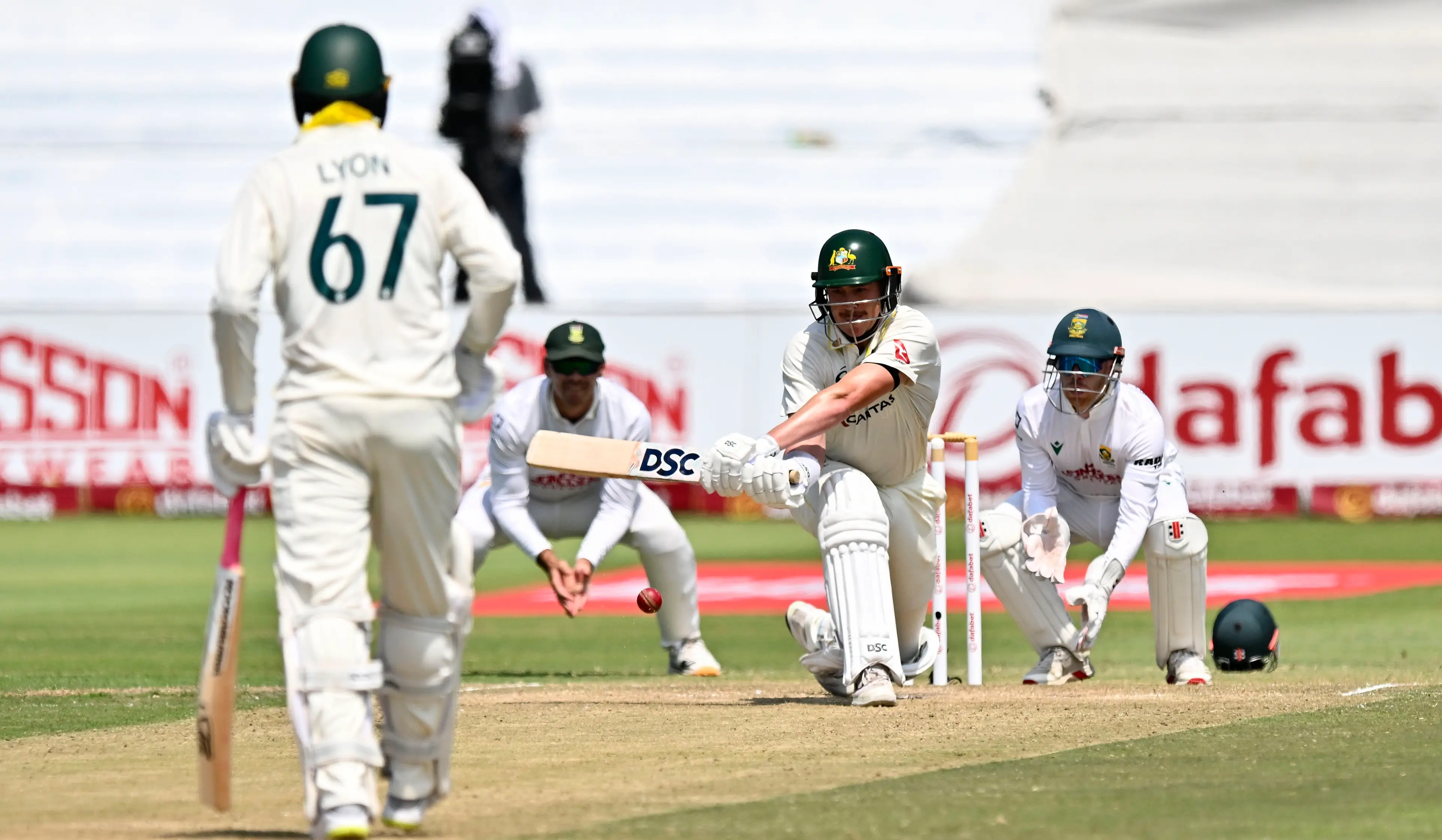
What Maddinson, an attacking left-hander, does have in his favour is that he originally built his career in the middle order. He batted at six for Australia in his first unsuccessful foray into Test cricket, a decade ago. Do Australia move him back into the middle order, where he could potentially showcase his attacking talents against an older ball, or stick with what they have right now?
What the selectors have are two openers who aren’t natural openers but have, in Head’s case, either adapted very well, or in Maddinson’s case, are still very much learning the position at the highest level. They have a number five who is a natural opener, but has just scored 190 runs batting at five. But he also has experience against facing the new ball in Test cricket.
A score from Maddinson in the second innings will make the selectors’ decision a lot simpler for the second and third Tests in South Africa - but there may be some head scratching going on about what happens when the team returns back home at the end of the tour.
All of that is without mentioning Cameron Green’s impending return. Head coach Andrew McDonald said before the Test in Durban that there was ‘optimism’ he could feature in the series at some stage, having been struck in the abdomen during the ODI series.
If Green is fit enough to play, the obvious decision would surely be to switch out Beau Webster for his fellow all-rounder. Green could come in at six, with wicket-keeper Alex Carey being pushed down a spot to seven.
Then you throw the still under-pressure Marnus Labuschagne - though he showed positive signs in his first-innings 37 in Durban - and you have another dilemma. Those questions might not be answered on this tour, but it is something Australia will have to deal with at some point during this mammoth run of Test matches.
 Ryan Smart