Man Utd and Man City's £470m summer rebuilds reveal completely different approaches before derby

Manchester United and Manchester City come into Sunday's first derby of the season having spent hundreds of millions addressing a problem that was eventually shaped by very different approaches.
For all their differences, United and City shared one obvious priority this summer. They both needed to rebuild their midfield.
City spent £322 million on Enzo Fernandez, Elliot Anderson and Ayyoub Bouaddi, while United signed Carlos Baleba, Andrey Santos and Youri Tielemans for £148.7 million.
READ MORE: Man Utd's transfer plan takes crushing blow after Premier League club announcement
Advert
The difference becomes even more striking when you look at the individual fees, with each of City's additions costing more than United's most expensive recruit.
Fernandez joined from Chelsea for a Premier League record-equaling £125 million, Anderson arrived in a deal worth £115 million, and the cheapest of the trio, Bouaddi, was snapped up for £81.6 million.
United, on the other hand, were far more restrained in their approach. Carlos Baleba was the most expensive acquisition at £65.2 million followed by Andrey Santos (£48.4m) and Youri Tielemens (£35.2m).
In short, one club was willing to spend record amounts to reshape their midfield, while the other was far from conservative. So, what did they get for their money? And crucially, who comes out on top?
How United and City resolved their midfield problems
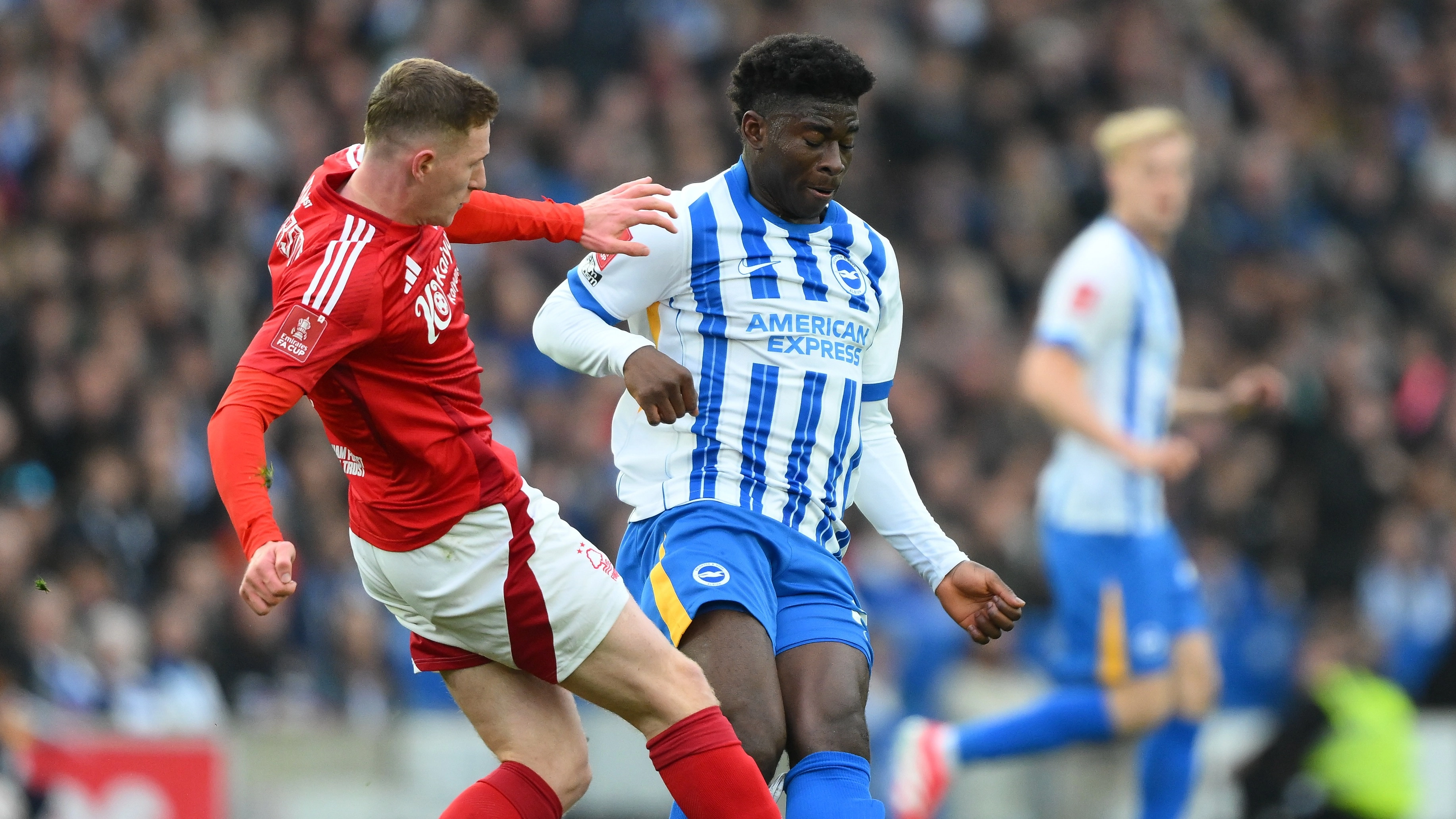
United went out and bought three different profiles. Baleba is the athletic, ball-carrier who can operate as a No.6 or No.8, a versatile midfielder they desperately needed following the departure of Casemiro.
Santos is also seen as a more defensively minded player who can drive up the pitch, whereas the shrewd investment of Tielemans brings some much-needed experience and composure to the centre of the pitch.
United were evidently cautious of overspending this summer and that shows in their pursuit of Elliot Anderson. They were keen but believed his price tag was vastly inflated and were reluctant to go toe-to-toe with City.
Rather than targeting elite-level talent like City, United have taken a more calculated gamble with their rebuild. And it is a gamble.
After a superb start to his Brighton career, Baleba struggled at times last season. Santos was far from a first-team regular at Stamford Bridge, and Tielemens, although still at the top of his game, is approaching his thirties.
Five miles across the city and their local rivals spent more than twice as much constructing a new midfield. Here, they found three replacements for Rodri. Let me explain.
For so many years, the influential Rodri was City's defensive screen who was also capable of controlling possession like few others in world football, so they've almost split those qualities with the new additions.
Fernandez gives Enzo Maresca progression, creativity and leadership, Anderson chips in with running, pressing and physicality, and the sensational Bouaddi controls possession from deep.
From an age perspective, City are not only building for the present but potentially five years into the future, something that must come into play when thinking about which team has had the stronger window.
To give you some perspective, Fernandez will be 30 in five years, while Anderson and Bouaddi will be 27 and 22 respectively.
United, on the other hand, opted for experience when they brought in a 29-year-old Tielemans, although the additions of two 22-year-olds, Baleba and Santos, certainly suggest that United were also keen to look ahead.
Only time will tell who has got their rebuild right, but if last season taught us anything, it’s that spending vast amounts in the window can mean very little - just ask Liverpool and their £446 million rebuild.
Topics: Man Utd, Man City, Premier League
 Jack Kenmare