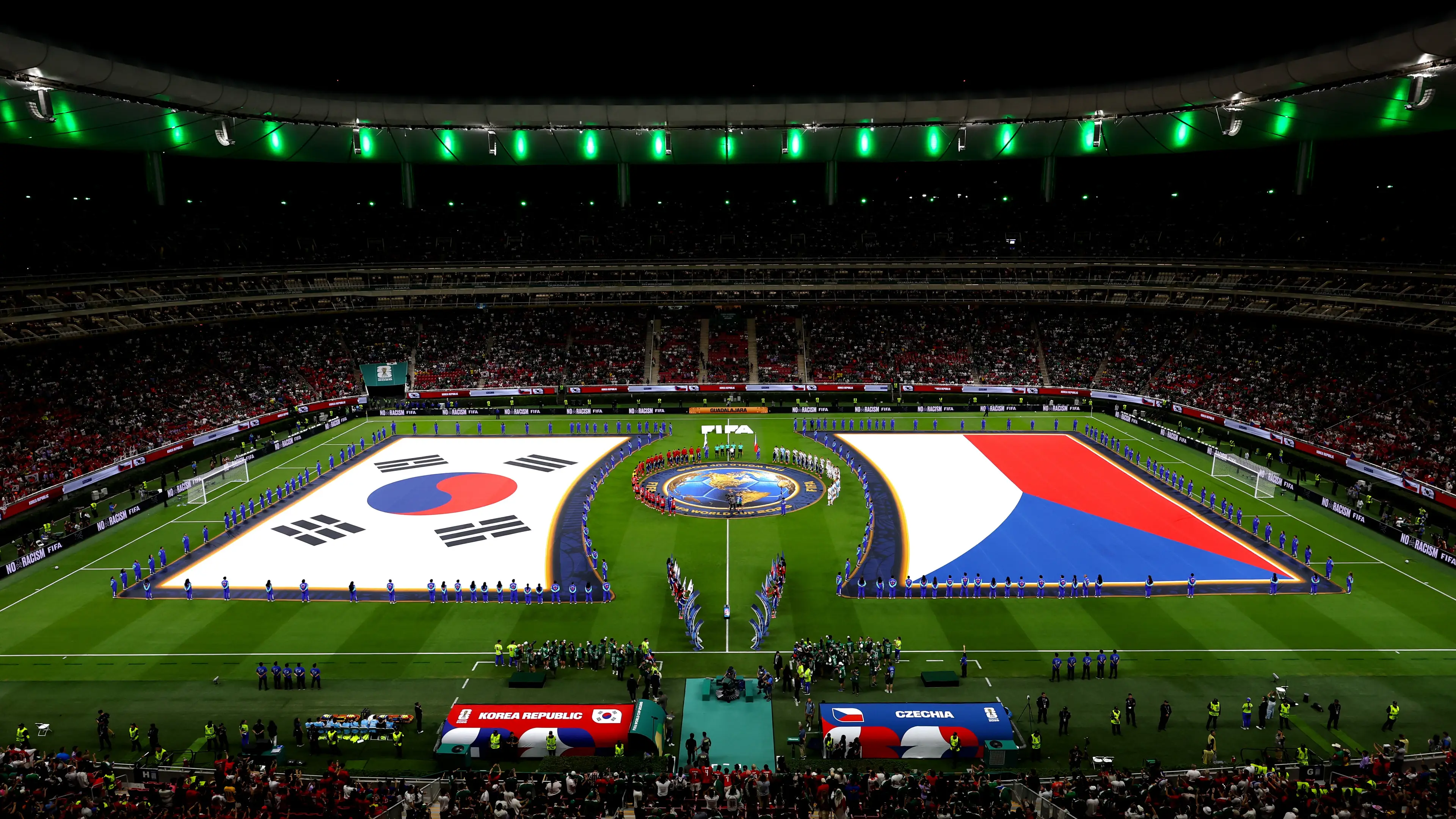
FIFA release 'embarrassing' statement following the images of empty seats at second match of the World Cup

The 2026 FIFA World Cup kicked off on June 11 as Mexico beat South Africa 2-0 at the Azteca Stadium before South Korea secured a victory over Czechia in the second match; however, the number of empty seats at the game was notable and was commented upon widely by fans online.
Official attendance figures for the match stated that the 45,664-capacity ground had 44,985 people witness South Korea's comeback against Czechia in a 2-1 win.
While this is what was claimed in the stadium by the announcer, it was clear to see on the television coverage that there were far more than the 700-or-so empty seats claimed.
Now, FIFA have explained exactly how this was possible with an official statement to address these concerns around attendance and the negative optics regarding attendance.
Advert
The statement read: “Official attendance figures reflect the number of tickets scanned and spectators present within the stadium footprint, rather than visual assessments of seating occupancy at any given moment during the match. FIFA works closely with stadium authorities and ticketing teams to ensure all published figures are based on verified operational data.
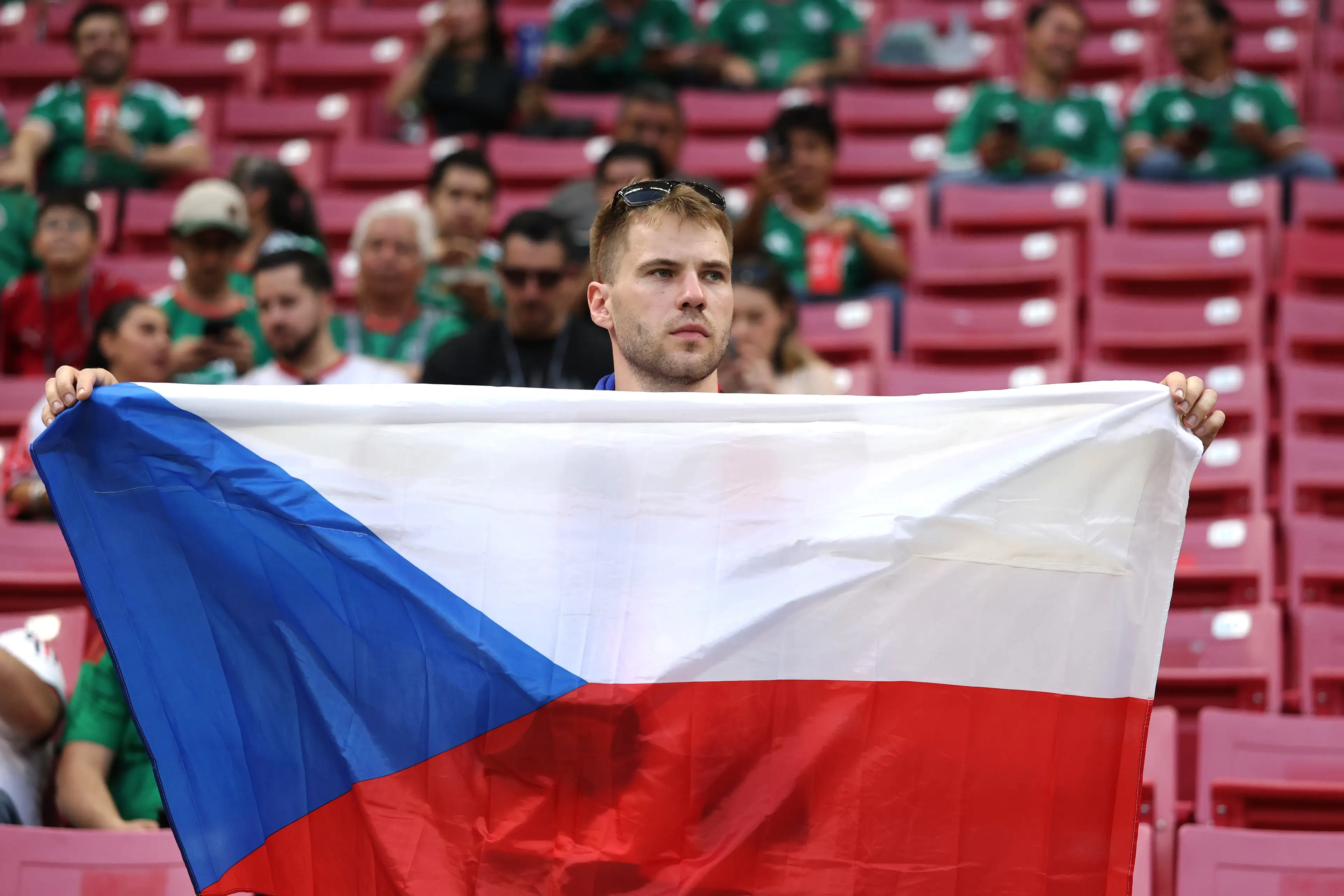
“Please note that, during last night’s match in Guadalajara, several ticketed fans could be seen standing in concourses rather than staying in their assigned seats throughout the match.”
Empty seats were always going to be a concern for FIFA, addressing this due to the amount of coverage around the ticket pricing and the resale site.
Fans have complained about pricing, with tickets for the least popular group matches still being put on sale for upwards of $300, and some of the prices for matches have led to supporters being priced out of attending games.
Yet, FIFA has insisted that there has never been more interest in buying match tickets—ten times more than previous tournaments.
'You’ve heard there were many discussions about the ticketing of the World Cup,' President Gianni Infantino said in April.
'We had 500 million ticket requests — 500 million ticket requests. In the last two World Cups together, we had 50 million ticket requests. Here, 500 million.'
Following the online images of the empty seats from the second game of the World Cup, fans took to social media to give their opinion.
One fan said: “Why don’t prices come back down if there are tons of empty seats @FIFAWorldCup? This is embarrassing. They could’ve just sold seats for reasonable prices so real fans could go!”
Another fan added: “With tickets in these affected zones priced between $400 and $5,000, the empty rows serve as an immediate, visual backlash against FIFA's dynamic pricing model, sparking widespread criticism that the tournament is pricing out the very fans who drive its culture.”
However, several fans believe that despite the poor look this has regarding the ticket sales for this World Cup in the group stages due to the dynamic pricing system and the cost of a ticket, they reckon FIFA won’t care as long as they are profitable.
One fan said: “I think a prerequisite for being embarrassed is to have some sort of shame, so I don't think FIFA can ever be embarrassed.”
While another added: “FIFA doesn’t get embarrassed! They do hate losing money though.”
Topics: South Korea, Czech Republic, FIFA World Cup, FIFA
 Brendan McGilligan