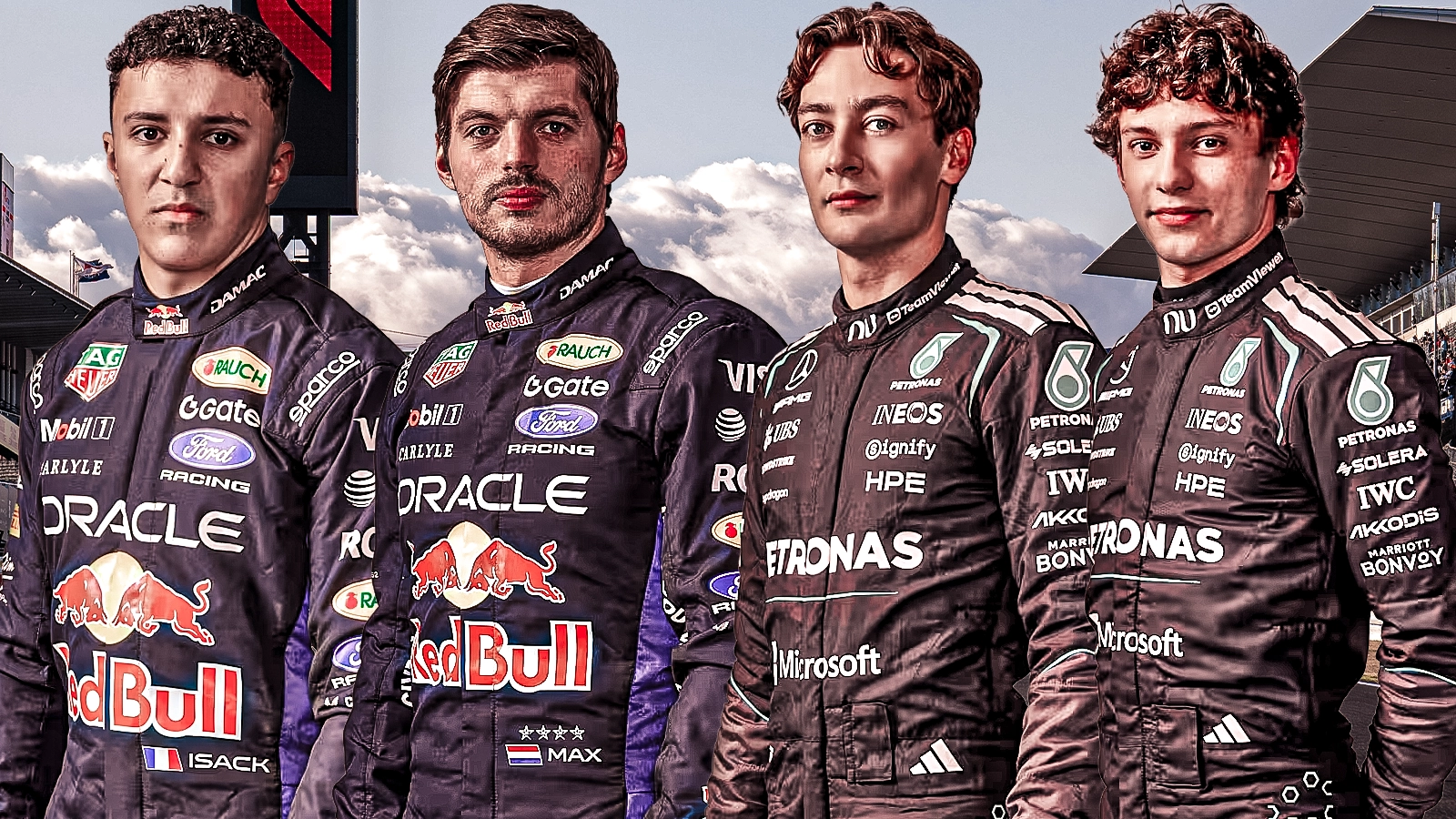
Mercedes and Red Bull's controversial engine trick banned by FIA ahead of F1 return in Miami

The FIA have banned an engine-trick used by both Mercedes and Red Bull that gives them a significant advantage in qualifying sessions ahead of the Miami Grand Prix.
Both Mercedes and Red Bull have had polar opposite starts to the new era of Formula 1, with Mercedes securing three consecutive victories while Red Bull fight in the midfield.
It is understood that despite competing with the German manufacturers power-unit, the Red Bull chassis is significantly limiting performance, leaving them sixth in the constructor standings.
Max Verstappen has been unable to break into the top five of any of the opening three grands prix, with a sixth placed finish in Australia his best result heading to Miami next month.
Advert
Red Bull's woes are now set to get considerably worse, with The Race reporting that a trick used by themselves and Mercedes for speed boost at the end of a lap has now been banned.
The trick meant that all four drivers for the teams were able to run at maximum deployment as they powered towards the finish line, rather than running in a 'ramp down' rate like other teams.
This reportedly gave both teams a 50kW-100kW advantage during the final sector, while rival cars were slowing down.
The advantage is believed to be extremely minimal, with the benefit more likely to be in the hundredths rather than tenths of a second in most tracks. However, it can still have a huge impact on grid positions.
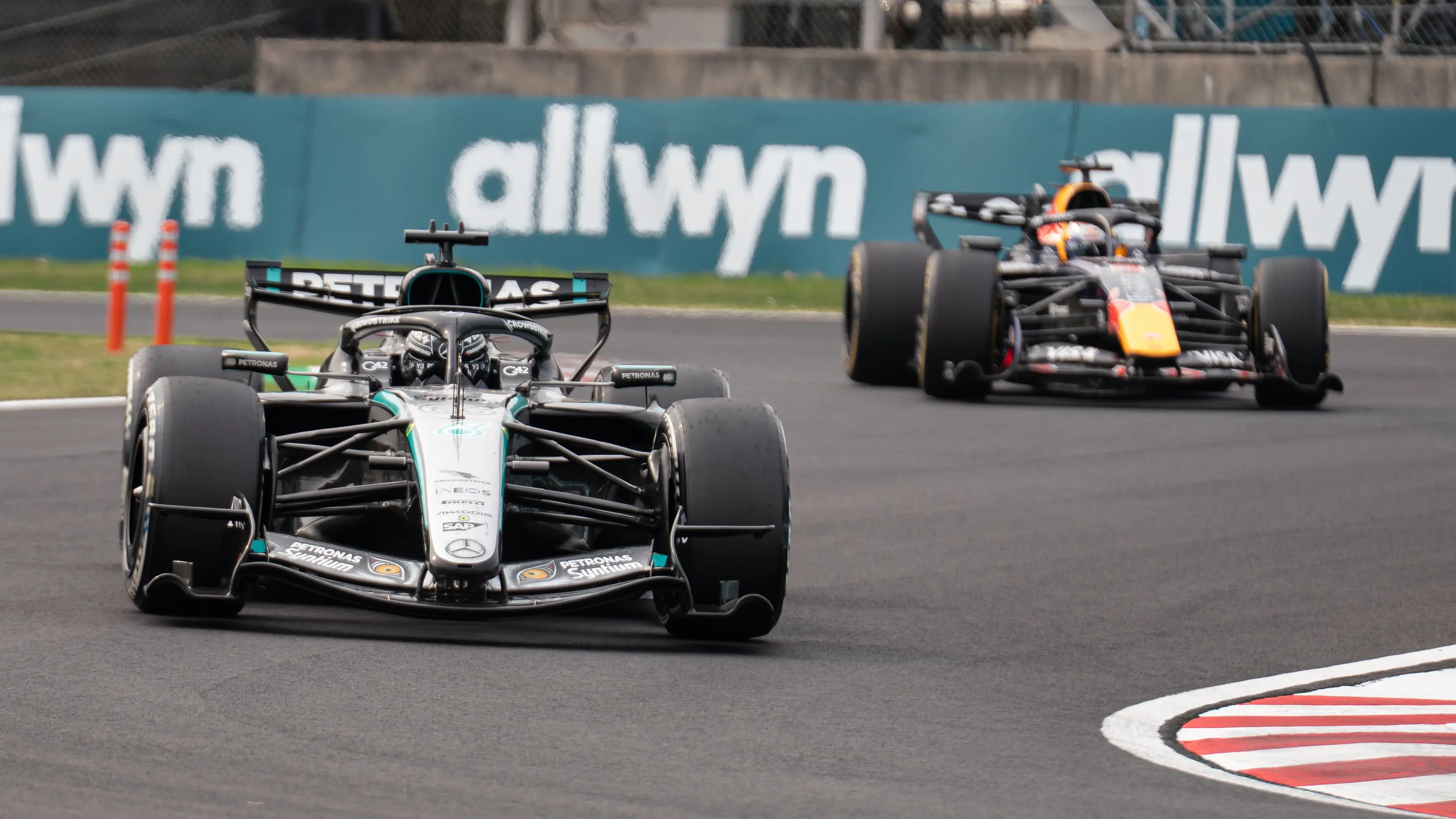
How did Mercedes and Red Bull exploit the engine loophole?
Mercedes and Red Bull were able to exploit this rule due to the F1 regulations not be requiring teams to follow the ramp down requirement if the MGU-K is shut for technical reasons.
This loophole was designed to allow teams to shut down their MGU-K to avoid potentially damaging the engine if issues were detected; however, the FIA were aware this could create an advantage if exploited.
To combat this, the FIA introduced "continuous offset", which meant that if a driver's MGU-K was disabled, it could not be activated again for the following 60 seconds.
While this acts as a deterrent during the race, both Mercedes and Red Bull quickly realised that drivers didn't need the MGU-K on their cooldown laps, making the final stages of qualifying laps the perfect time to exploit the loophole.
It is unknown how big an impact this will have on the F1 pecking order, with the true impact only going to be revealed as the cars hit the track for Miami sprint qualifying.
 Tom Jenkins