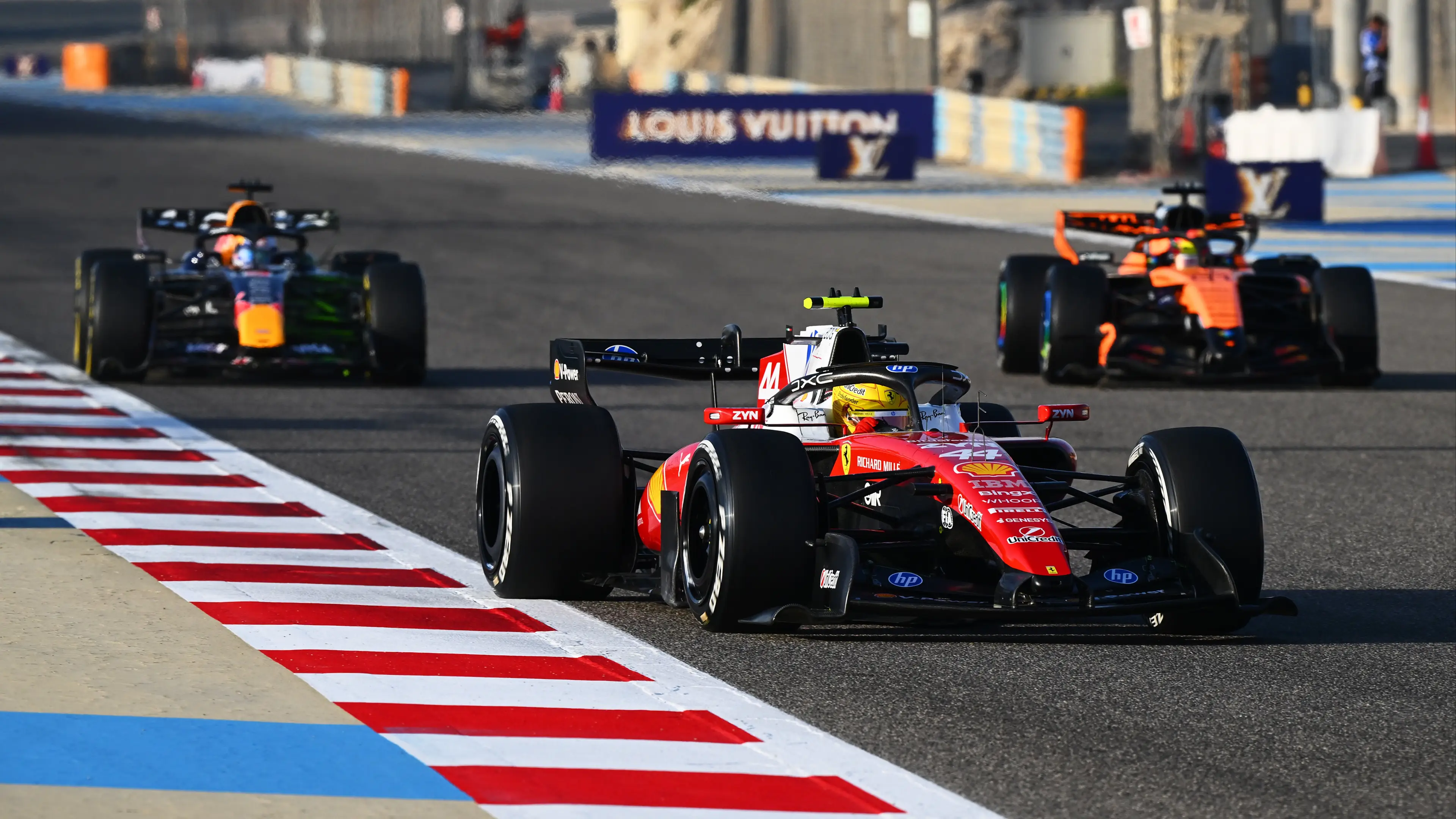
FIA announce new rules for 2026 F1 season with major engine U-turn

The FIA have confirmed a number of changes to F1 rules ahead of the 2026 opener, with a significant change to how the compression ratio is measured.
The F1 season will get underway in Melbourne next week, as the sport enters a completely new era with huge regulation changes, and even a brand new 11th team.
Lando Norris and McLaren will be defending both the drivers and constructor crowns, but performing well last year is no guarantee of success in 2026 due to the significance of the changes.
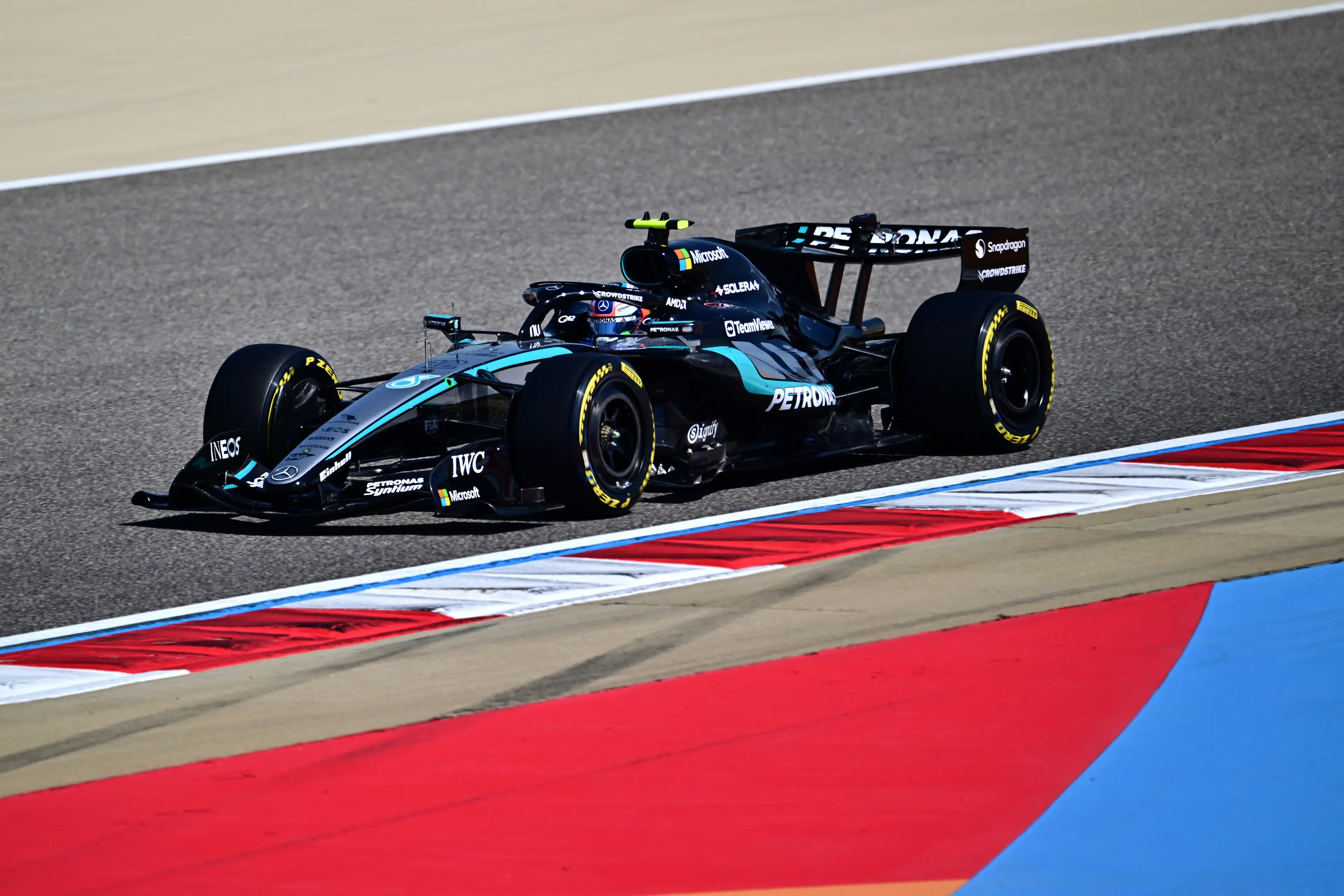
Ferrari's Charles Leclerc set the fastest lap time at Bahrain pre-season testing, but Mercedes are the outright favourites heading to Australia due to a reported power unit loophole.
Advert
As part of the regulation changes, the compression ratio limit has been lowered to 16.0 compared to 18.0 last year, however, measurements are currently only taken when the engine is not running at full temperature.
According to rival teams, Mercedes are exploiting this which could give them and their engine customers a significant competitive advantage.
FIA issue statement on compression ratio rule change
However, today the FIA confirmed changes will be made to how the compression ratio is measured but these changes will not come until seven races into the season.
From the Monaco Grand Prix, the compression ratio will be measured when the engine ambient temperature is at 130 degrees.
An FIA statement read: "Some aspects of the amendments were concurrently approved unanimously by the Formula 1 power unit manufacturers.
"The modifications to the technical regulations follow the pre-season tests in Barcelona and Bahrain and extensive feedback received from drivers and teams.
"A significant effort has been invested in finding a solution to the topic of the compression ratio. This parameter, which was one of the key fundamental targets of these regulations in order to attract newcomers to the sport, is limited in the regulations to 16:1, measured in cold conditions."
The FIA added: "The FIA has worked to find a compromise solution which determines that the compression ratio will be controlled in both hot and cold conditions from June 1 2026, and subsequently only in the operating conditions (130deg C) from 2027 onwards.
"The regulations introduced for 2026 represent one of the biggest changes in recent memory. All parties acknowledge that with the introduction of such significant regulatory changes, there are collective learnings to be taken from pre-season testing and the initial rounds of the 2026 championship.
"Further evaluation and technical checks on energy management matters are ongoing," the statement concluded.
Speaking before the changes were confirmed, Mercedes boss Toto Wolff claimed the team would be comfortable with the proposed changes despite previously claiming it would be 'very damaging' for their performance.
"It doesn't change anything for us, whether we stay like this or whether we change to the new regulations, and that's been a process," Wolff said via Sky Sports.
All new 2026 F1 rule changes
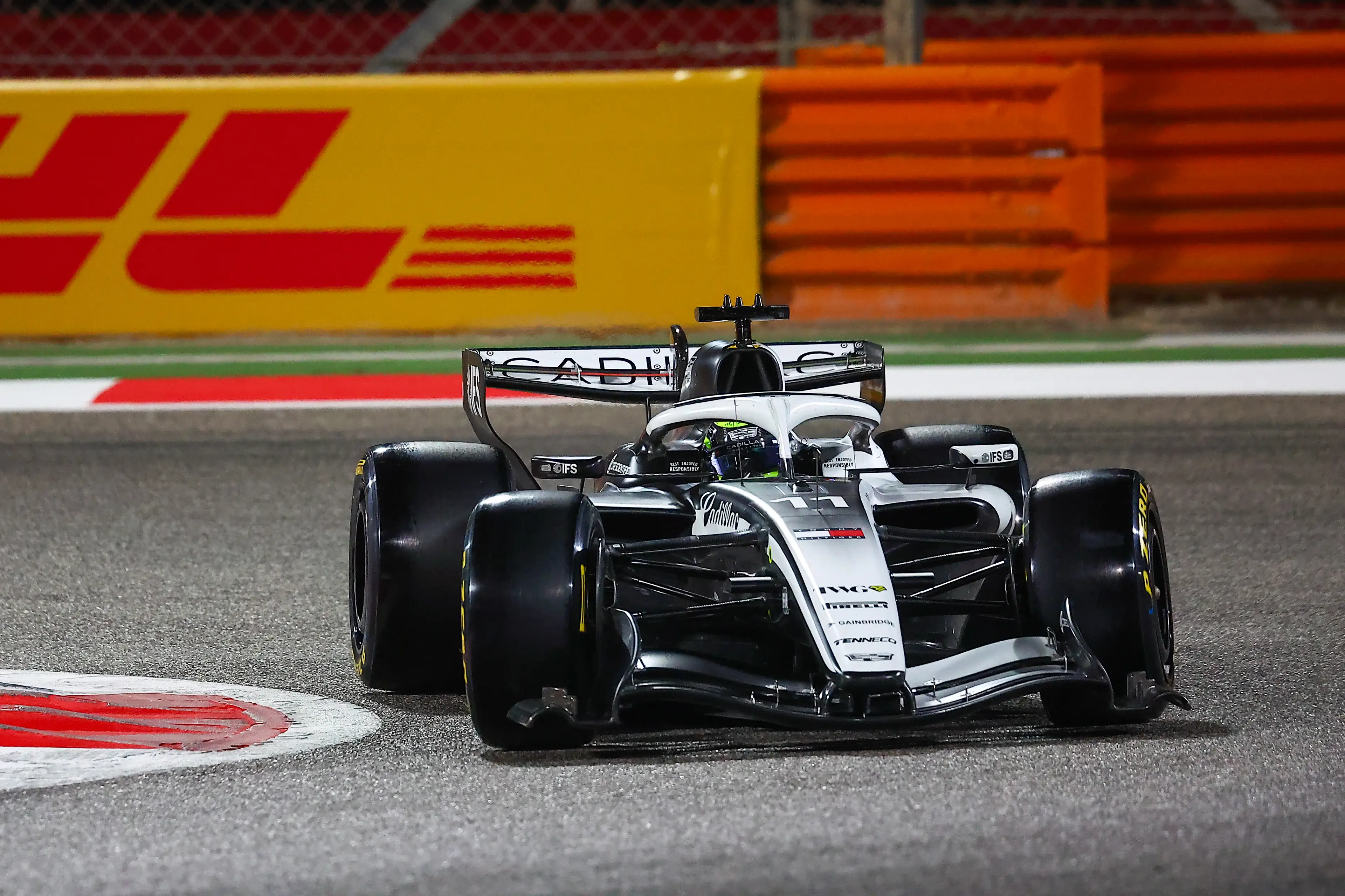
Due to the arrival of Cadillac on the grid, the cars aren't the only things changing this season, with the FIA having to tweak qualifying to accommodate two extra cars on track.
On Saturday the FIA revealed Q3 will be extended by a minute from 12 to 13, with the interval between Q2 and Q3 decreasing by a minute to keep qualifying at an hour long in total.
Cadillac's arrival also means an extra driver will be eliminated in Q1 and Q2, with the bottom six drivers being knocked out rather than five.
It was also confirmed that the controversial mandatory two-stop Monaco Grand Prix would be removed, with just one pit stop required to complete the race.
 Tom Jenkins