Why Shakhtar Donetsk have signed so many Brazilian players over the years

Shortly after Shakhtar Donetsk took an early two-goal lead in their Europa Conference League quarter-final against AZ Alkmaar, a question about the Ukrainian club's transfer policy became a talking point on social media.
"What is it with Shakhtar and signing exclusively Brazilian players?" wrote Neal Gardner, who runs the YouTube channel Neal Talks Football. "Anyone care to educate me on the connection?"
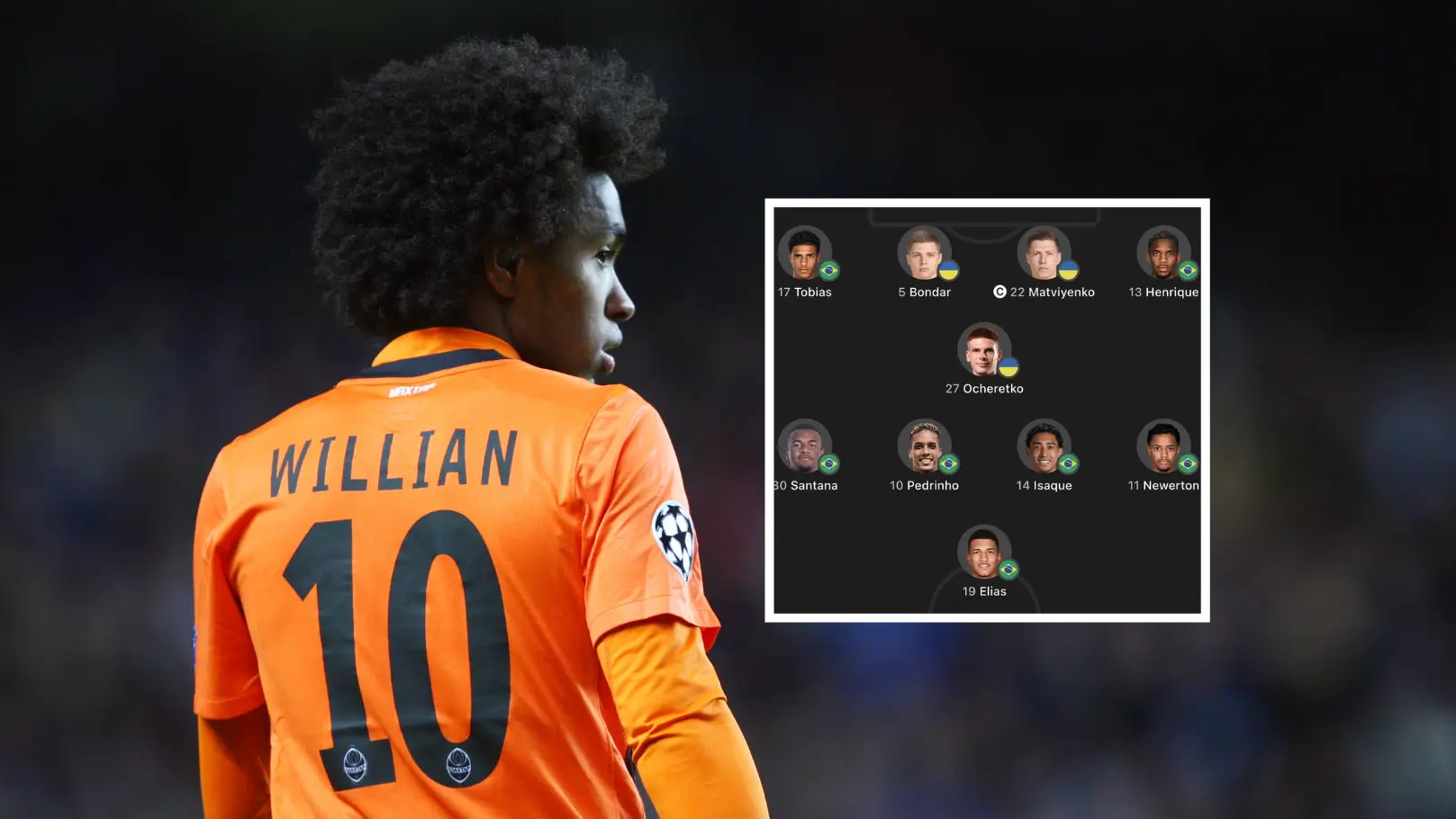
On Thursday night, head coach Arda Turan named seven Brazilian players in his starting line-up, which included the highly-rated Alisson Santana, a young forward many believe is destined for the big time.
Isaque Silva also featured, months after it was reported that Manchester City and Liverpool had made enquiries about the wonderkid before he decided to sign for the Ukrainian club last summer.
Advert
Eguinaldo, a Brazilian under-20 international who is being tracked by a number of European clubs, including Roma and Atletico Madrid, also came off the bench for fellow countryman Kaua Elias.
You get the point. Time and time again, Shakhtar's money-making policy of signing young Brazilian players has played a crucial role in their past, present and future.
In total, the club have signed 47 Brazilian players, according to ESPN, who claim those players have contributed more than 1,000 goals since 2002 – a quite extraordinary number all things considered.
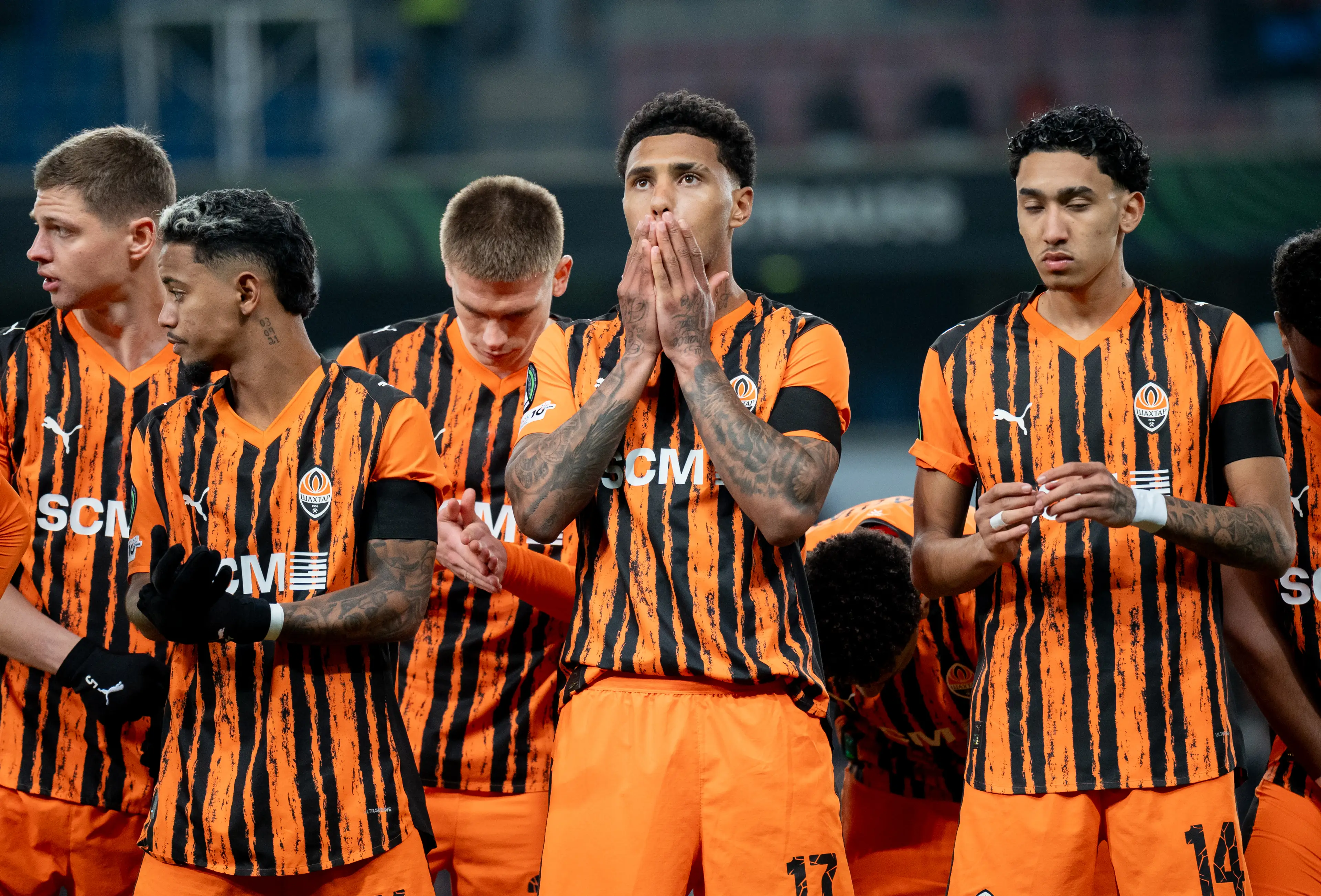
The current crop (12 are listed in their first-team squad) are very aware of their platform.
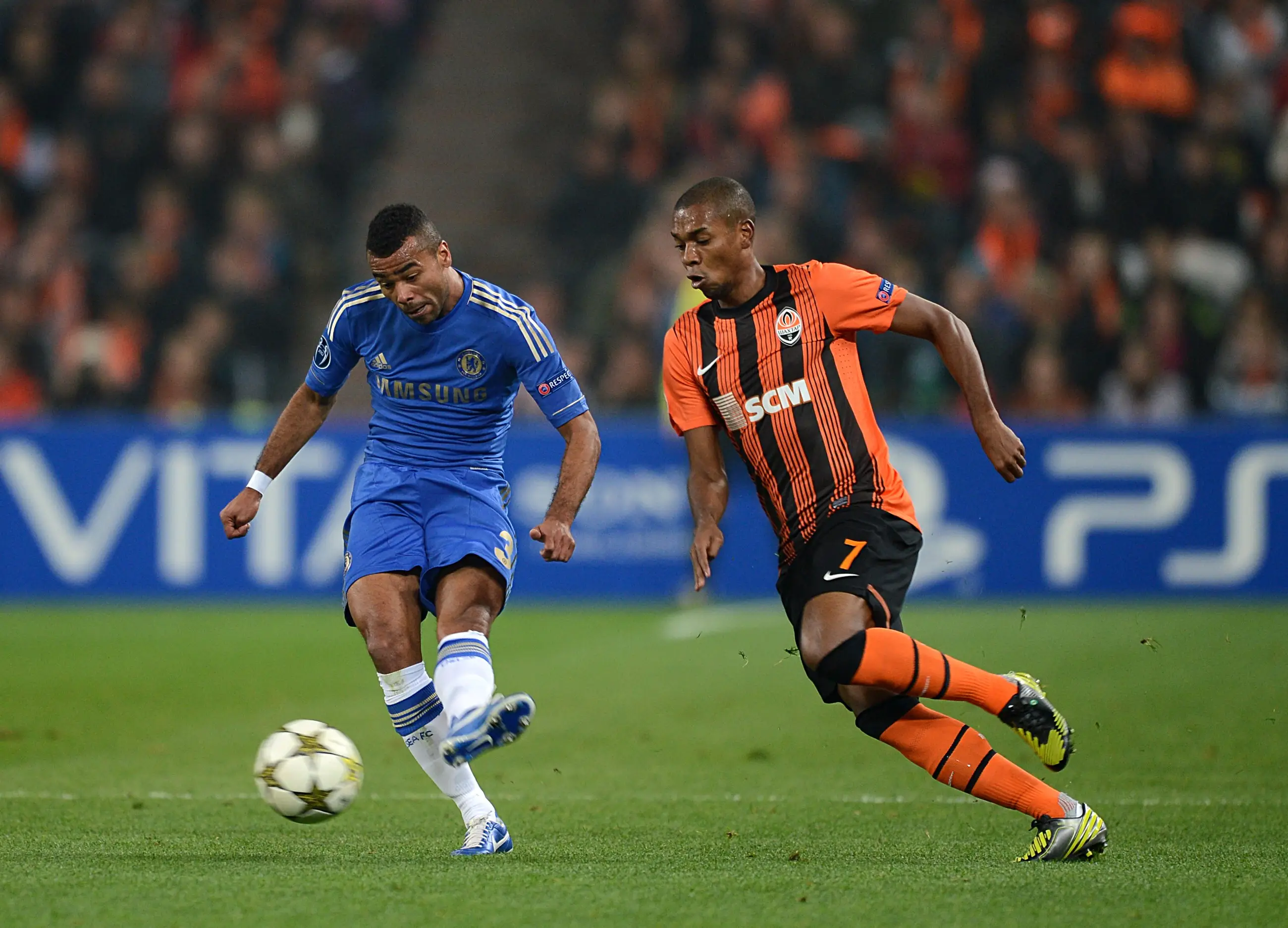
From Willian, Fernandinho, Mykhailo Mudryk, Fred and more recently Kevin, who all joined Premier League clubs in big-money deals, the Ukrainian club have helped push some well-known faces over the years.
So, where did the idea of bringing young Brazilians to Donetsk stem from? Many give credit to Shakhtar's long-time president Rinat Akhmetov, who has often expressed his admiration for the country's style of play.
Akhmetov, a board member since 1996, financed the state-of-the-art Donbass Arena and helped build an academy, but his role in bringing top Brazilian talent to Ukraine has been their biggest money-maker.
The late Mircea Lucescu, who managed Shakhtar between 2004 and 2016, was also a big fan of Brazilian football and helped push the strategy of developing youngsters and selling them on for profit.
"It works incredibly well to this day as the players are given time to develop and are not expected to develop results immediately," said The Miners Weekly, a Shakthar fan account, this week.
"The owner of the club wanted to instil a club that first and foremost plays exciting, attacking football. Signing Brazilian players with flair and quality helped to achieve that."
Shakhtar chief executive Sergei Palkin recently gave a fascinating insight into the subject.
"You know why they come? Because they understand, here we create an unbelievable platform for the development of those players to build a bridge to top European football," he said in an interview with ESPN.
"They see all examples. The last one is Kevin. When the war started, we sold David Neres [for €15M]. He didn't play one game for our club but we sold him to Benfica for more than we paid (€12M). Even if it is risky for life, to reach something in top European football, they should come to us.
"We are signing a lot of deals now. I spend 70% of my time in negotiations convincing players to come in this very hard time because we have war. I need to show where a player lives, what happens for example when we have air raid sirens, all the security issues."
"I need to be open and explain, but the biggest explanations come when players call our existing players," added Palkin. "They explain everything and it helps."
Topics: Shakhtar Donetsk, Football
 Jack Kenmare