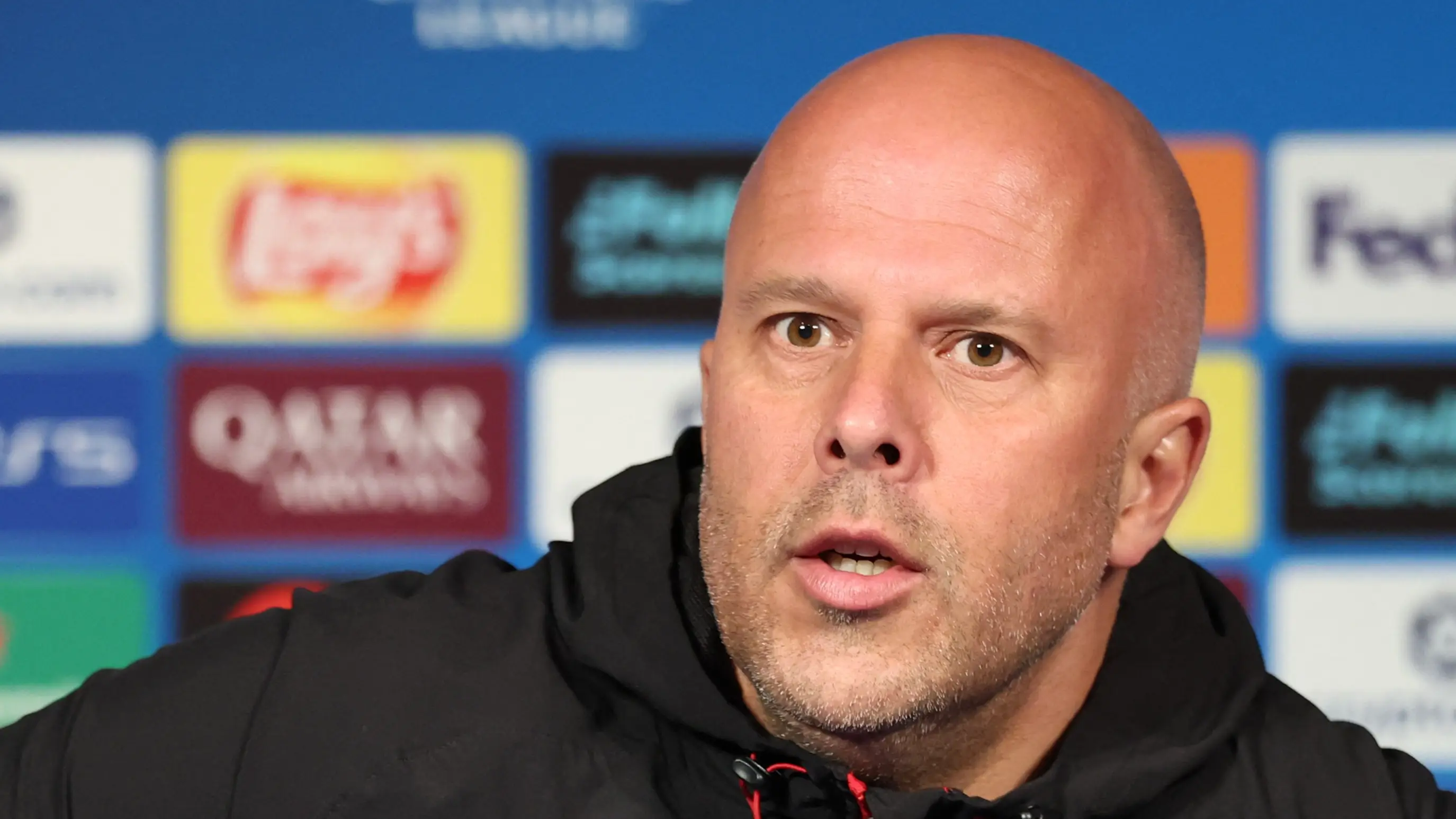
Liverpool express major worry over £80m summer target that fans are desperate for

Liverpool continue to be linked with a summer move for Crystal Palace midfielder Adam Wharton, but there are 'question marks' around his profile, according to reports.
Since joining Palace from Blackburn in 2024 for an initial £18 million, Wharton has established himself as one of the best progressive midfielders in the Premier League.
As a result, the 22-year-old England international is attracting interest from a host of clubs, including Chelsea and Tottenham Hotspur.
Liverpool have also been keeping tabs on Wharton. Back in January, the Mail suggested they 'would be keen' on striking a deal that could reach as high as £80 million based on interest from elsewhere.
Advert
However, the same publication has now reported that the Reds have concerns about his physicality and engine.
The report claims: "Question marks for some, such as Liverpool, are whether he has the legs to run more in possession-based sides but Real Madrid, Chelsea, Manchester United and Tottenham all recognise his potential and astute passing."
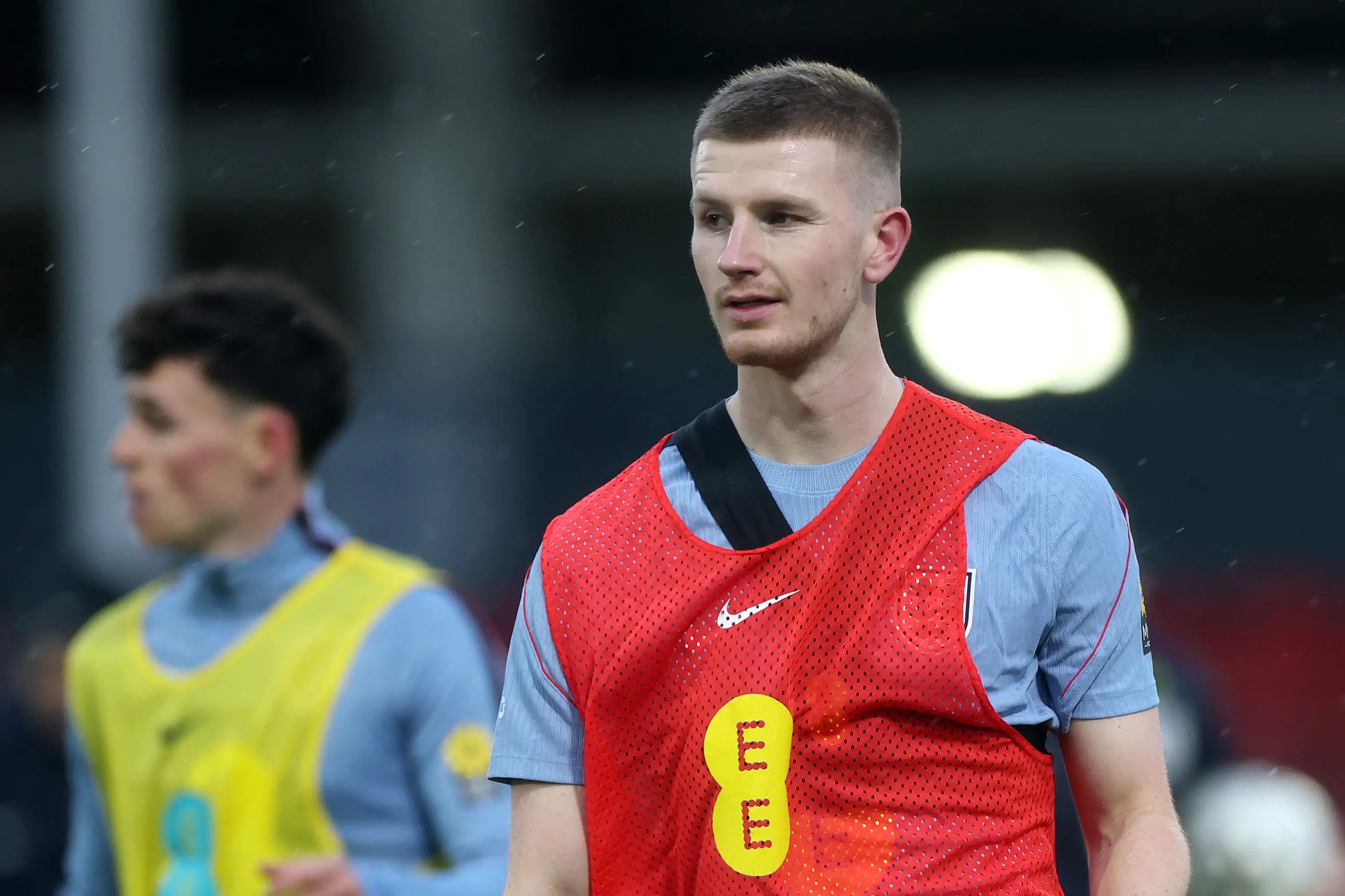
Wharton has previously been linked with a move to Manchester United but as it stands, the club are looking at other options as they see him as being too similar in profile to Kobbie Mainoo, according to talkSPORT.
Liverpool identify potential replacement for Mo Salah
With Salah already confirming he will leave Anfield at the end of the 2025/26 season, the club’s football department will no doubt be plotting a move for his successor.
They are keen on a potential move for highly-rated RB Leipzig forward Yan Diomande and are monitoring his situation, according to teamTALK.
The 19-year-old joined Leipzig from Spanish side Leganes last summer and has taken well to life in the Bundesliga, registering 10 goals and seven assists in 27 top-flight appearances.

TeamTalk also claim the Red Bull group view Diomande as the most exciting player to represent the organisation since Haaland, who played for RB Salzburg during the 2019-20 campaign.
Leipzig are thought to value the player, who is contracted to the club until 2030, at £87.3 million.
Topics: Liverpool
 Jack Kenmare