Revealed: The 23 World Cup 2030 stadiums on FIFA shortlist to host games in six countries

A total of 23 stadiums have been included in official hosting plans for the 2030 FIFA World Cup, including Barcelona's Camp Nou and the record-breaking Hassan II Stadium in Morocco.
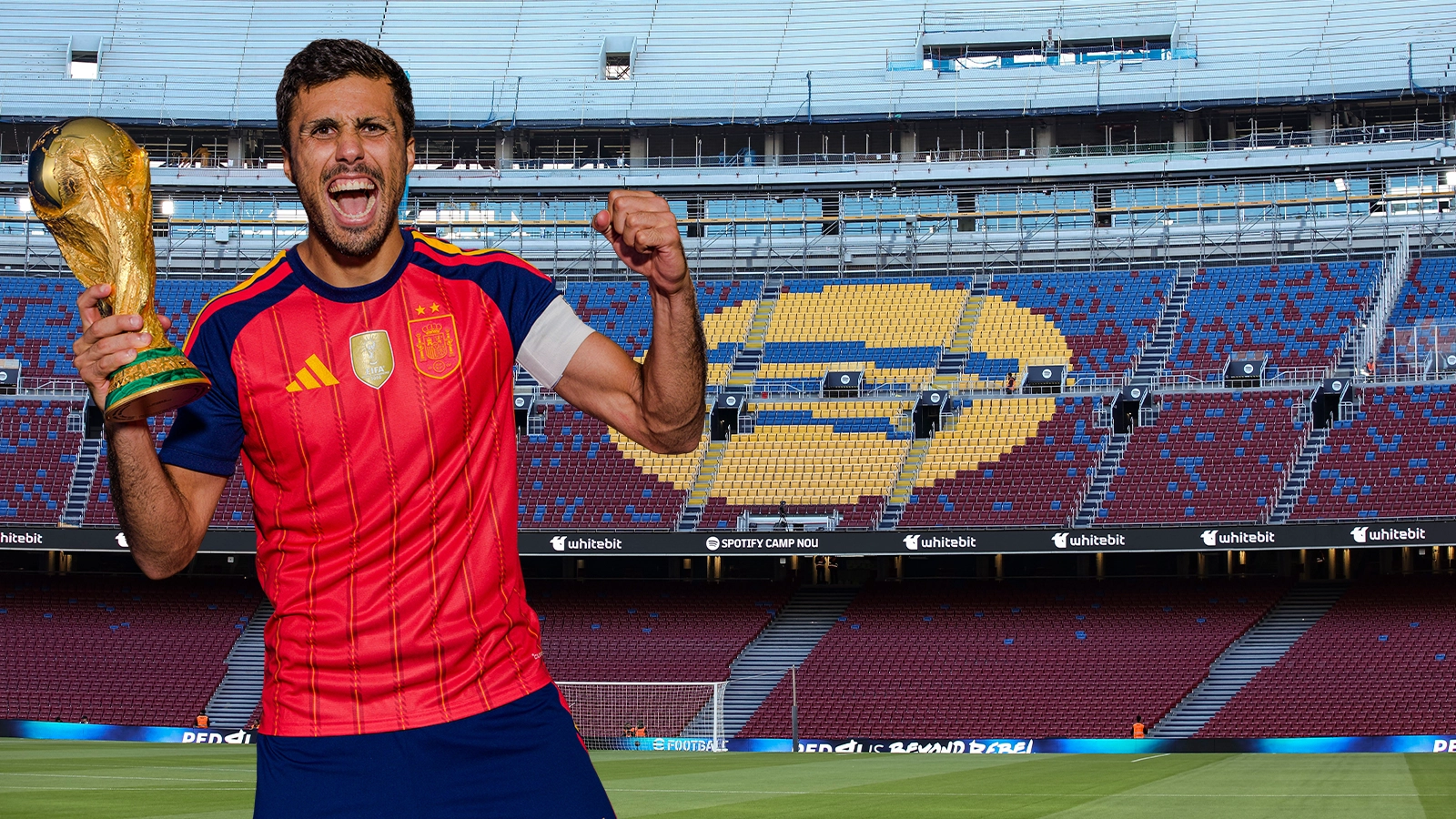
Newly-crowned world champions Spain will play a crucial role in the 2030 edition of the tournament after they were chosen as co-hosts alongside Portugal and Morocco.
To commemorate the 100-year anniversary of the World Cup, Argentina, Paraguay and Uruguay will also stage an opening match to honour the first World Cup.
The inaugural World Cup in 1930 was hosted by Uruguay, who defeated Argentina in the final.
Advert
Paraguay, meanwhile, is where the South American football confederation Conmebol is based, and they were the only football federation in existence at the time.
"The 2030 edition is a symbolic milestone for FIFA, as it celebrates 100 years since the first FIFA World Cup was played in South America across three stadiums," a statement from FIFA said in 2024.
"Following extensive consultation with all confederations, the FIFA Council approved a unique celebration of the centenary of the FIFA World Cup in South America, specifically in Uruguay, Argentina and Paraguay."
In total, 11 stadiums in Spain have been chosen to host games alongside six in Morocco and three in Portugal. As mentioned above, one match is being held in each of Uruguay, Argentina and Mexico to mark the centenary celebrations.
2030 World Cup stadiums - at a glance
Total stadiums: 23
Host nations: Spain, Portugal, Morocco, Uruguay, Argentina, Paraguay
Largest stadium: Hassan II Stadium (115,000)
Final venue: TBC
A full list of proposed stadiums for the 2030 World Cup
A total of 23 stadiums were included in the official hosting plans approved by FIFA, including Barcelona's Camp Nou, Real Madrid’s Santiago Bernabeu and Benfica’s Estadio da Luz.
Argentina
- Buenos Aires – Estadio Monumental
Morocco
- Agadir – Adrar Stadium
- Casablanca – Hassan II Stadium
- Fez – Fez Stadium
- Marrakesh – Marrakesh Stadium
- Rabat – Prince Moulay Abdellah Stadium
- Tangier – Ibn Batouta Stadium
Paraguay
- Asunción – Estadio Osvaldo Domínguez Dibb
Portugal
- Lisbon – Estádio da Luz
- Lisbon – Estádio José Alvalade
- Porto – Estádio do Dragão
Spain
- Barcelona – Camp Nou
- Barcelona – RCDE Stadium
- Bilbao – San Mamés Stadium
- Las Palmas – Estadio Gran Canaria
- Madrid – Santiago Bernabéu
- Madrid – Metropolitano Stadium
- San Sebastián – Anoeta Stadium
- Seville – Estadio de La Cartuja
- Valencia – Nou Mestalla
- Vigo – Balaídos Stadium
- Zaragoza – Nueva Romareda
Uruguay
- Montevideo – Estadio Centenario
Stadium pulled out of hosting World Cup matches
Deportivo's 32,000-seater Riazor was initially selected as one of the host venues, but the stadium's owners said they could not justify hosting the World Cup 'at any price'.
A statement, as per StadiumDB, read: 'RC Deportivo's priority is to maintain the 32,471-capacity Riazor stadium in line with the needs of our subscribers and to provide the necessary budget to build our teams and invest in the development and growth of the club.
'Neither the club nor its shareholders are willing to jeopardise the sustainability of the club.'
Back in March, Deportivo, A Coruna's Provincial Council and the City Council collectively issued a statement confirming their commitment to modernisation plans for the Riazor stadium.
As part of the commitment, however, the stadium will give up its hosting rights for the 2030 World Cup.
The president of the Provincial Council, Valentin Gonzalez Formoso, said: "In a wave of improvement of sports infrastructures in Europe, A Coruna deserves a clear commitment from the administration, which we will be concretising in the coming weeks and months."
Topics: FIFA World Cup, Spain, Portugal, Football
 Jack Kenmare