
Mercedes Announce Major Tactical Change That Could Impact Rivals McLaren

Mercedes have confirmed a major change to their plans for the 2026 Formula One season, and it's bad news for other teams on the grid.
Following Lando Norris' podium finish at the Abu Dhabi Grand Prix, the Brit was crowned the Drivers' Champion as the 2025 F1 season came to an end.
Of course, with the 2025 season now behind us, Formula One fans have already started looking ahead to what promises to be an exciting campaign in 2026.
For the first time in F1 history, the grid will expand to 22 drivers as Cadillac becomes the 11th team in the sport, while a new set of regulations are set to cause major changes.
Advert
And ahead of the season beginning, Mercedes have announced that they are considering a massive change to their plans that will impact nearly half of the grid.

Heading into the 2026 season, it has been widely reported that Mercedes could be the dominant team for the foreseeable future due to strong rumours about their new engine's performance.
If true, this would also be good news for all of the other teams on the grid to which Mercedes supplies power units as it could allow them to enjoy an early advantage over their rivals.
However, they may have to make plans for life without a Mercedes engine after it was confirmed that they will reduce the number of teams to which it supplies in the near future.
Cinfirming the decision, team principal Toto Wolff told the official Formula 1 channel: "“Our current mindset is, also discussing with Ola, that we will reduce the amount of teams we’re going to supply in the next cycle."
When asked the ideal number of teams to supply, he replied: "Between two and three, I guess.”
“It depends on new regulations going forward,” added Wolff.
“Are they rather simple or not? What is it we believe we can learn by supplying more [teams] whilst at the same time needing to lock in some designs earlier?”
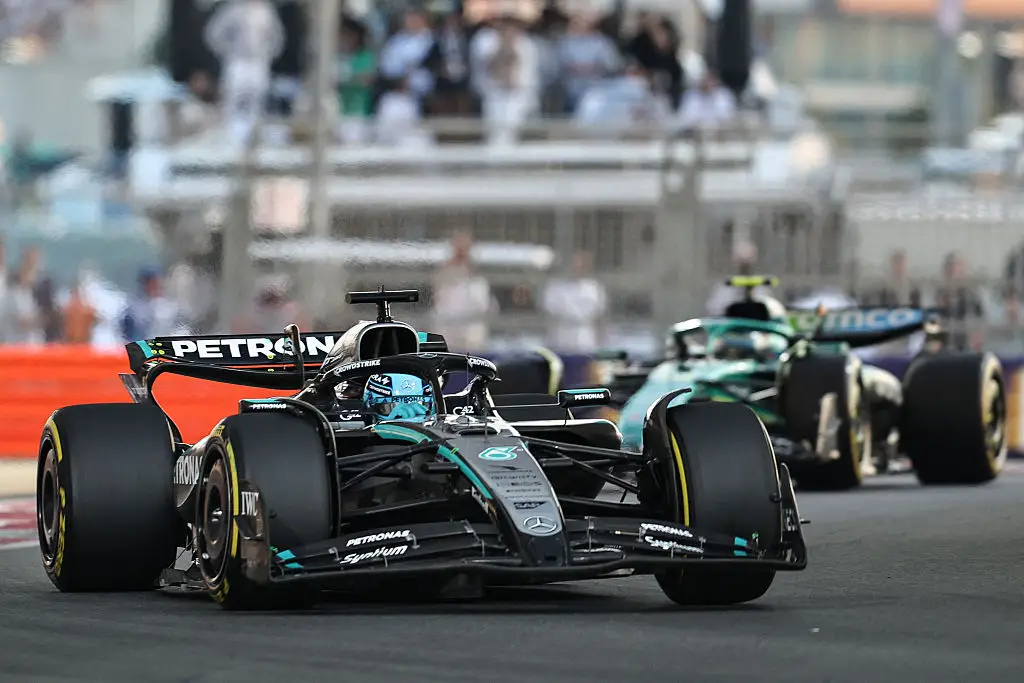
As it stands, Mercedes supply power units to four teams, its own factory team plus customer teams Williams, Alpine and reigning Constructors and Drivers champions McLaren.
"That means longer lead times, longer production cycles," Wolff claimed.
“So [considering] all of that, going forward, it’s not going to be four anymore.”
Hywel Thomas, the managing director of Mercedes AMG High Performance Powertrains, also weighed up the pros and cons of supplying other teams.
“We’ve shown in the past that having more than one team [means] you’re getting more data, you’re getting more information, you’re [covering] more kilometres,” he said.
“Just because you’ve got all those cars. You’ve got four times the engineers all sitting around telling you ‘no, you can do this better, you can do this more this way’, and that is very, very beneficial to have all that coming at you.
“But the flip of that is we’ve got to make a lot of hardware. We’ve got to, you know, and we have got to make a few decisions earlier. I’m not sure making those decisions earlier really hurts you sometimes because you can run things a bit too close to the wind, I think. That is the flip."
 Ben McCrum