FIA to Hold Emergency Meeting as F1 Teams Demand Crackdown on 2026 Loophole

The FIA is poised to hold an emergency meeting later this month amid calls to close a potential loophole in the 2026 Formula 1 regulations.
The next F1 season is coming very soon as Lando Norris and McLaren seek to defend the drivers' and constructors' titles they won last season.
All 11 teams will be launching their cars over the next month before the season opener around Melbourne's Albert Park in Australia in early March.
Advert
This season sees an overhaul on both the engine and chassis side, with big changes in both areas.
The biggest change for the engines are that they will be more electrified, with an almost 50/50 split of power across the electrical part of the hybrid system and the V6 internal combustion engine.
On the chassis side, there will be active aerodynamics on both the front and rear wings, with both changing on straights and in corners, with the previous drag reduction system gone.
The last major engine regulation change came in 2014, when naturally aspirated 2.4 litre V8 power units were replaced with 1.6 litre turbo hybrid V6s.
On that occasion and for large parts of that era, Mercedes proved to have the dominant engine, as was shown with the works team winning eight consecutive constructors' titles, and the German brand's power units helping McLaren to consecutive crowns in the past two years.
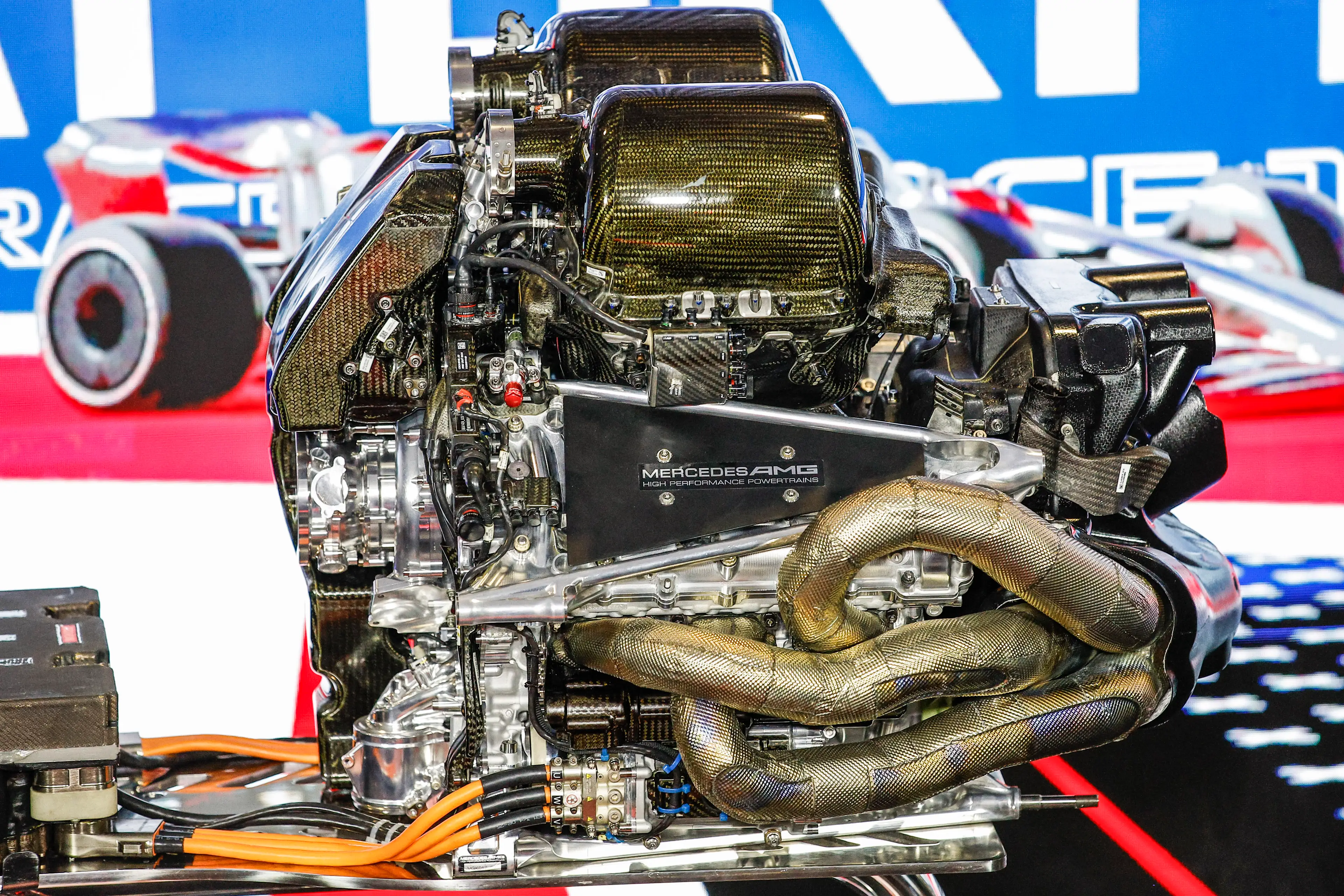
Mercedes engines also powered seven drivers' titles between 2014 and 2020, and Norris's triumph last season with McLaren being a Mercedes customer.
Though nobody knows for certain, all the rumours have suggested that Mercedes once again might have F1's best power unit in the sport's latest set of regulations, having aced the 2014 overhaul.
Three separate tests will take place over the next month, the first of which is a private one in Barcelona across five days in January, before two more are held in Bahrain in February.
Ahead of the tests taking place, the FIA has confirmed a meeting will take place on January 22 amid suggestions that other engine manufacturers have called for a crackdown on Mercedes over a possible loophole which may have been exploited as a grey area in the new regulations.
Reports suggest Mercedes has discovered a way to increase the compression ratio of their engines above the 16:1 limit, which has been imposed, therefore meaning a higher power output.
That limit applies to ambient temperatures and on track, but the suggestion is Mercedes can increase the compression ratios of its engines for the latter.
The new Red Bull Powertrains - making power units for the first time for both Red Bull Racing and Racing Bulls - are also reported to have exploited this grey area, and the meeting between engine manufacturers and the FIA will take place later this month.
An FIA spokesperson said (via Planet F1): "As is customary with the introduction of new regulations, discussions on the 2026 iteration covering power unit and chassis are ongoing.
"The meeting planned for 22 January is between technical experts.
"As always, the FIA assesses the situation in order to make sure the Regulations are understood and applied in the same manner between all the participants."
As well as Mercedes and Red Bull Powertrains, Ferrari, Audi and Honda are also power unit manufacturers in 2026, while a General Motors-backed engine for the new Cadillac squad is due in 2029.
Topics: Formula 1, Mercedes, Red Bull Racing, McLaren
 John McDougall