F1 team chief issues update on FIA cancelling Bahrain and Saudi Arabia Grand Prix

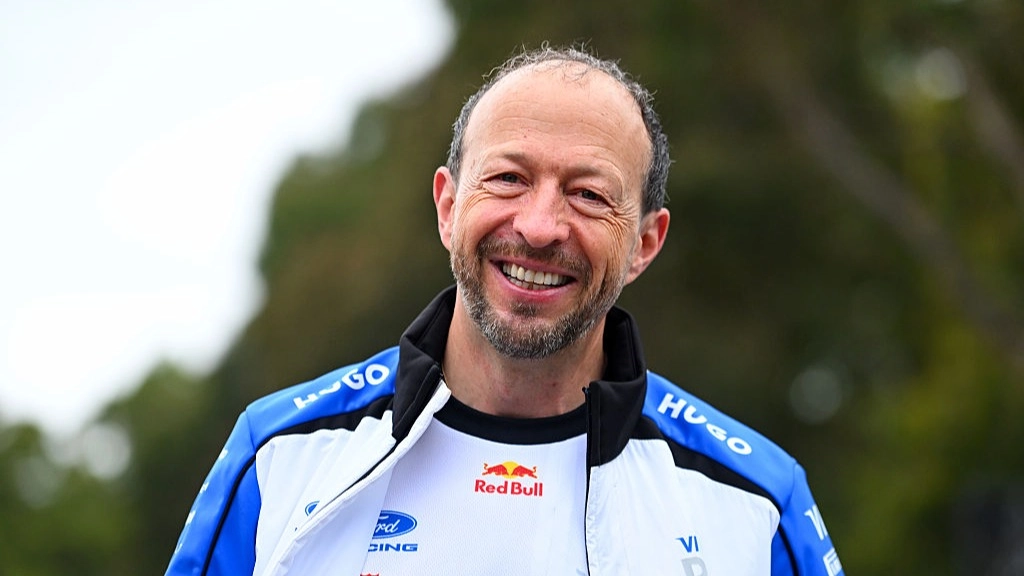
Racing Bulls chief executive Peter Bayer has revealed what he knows about whether the upcoming Bahrain and Saudi Arabian F1 events will take place amid concerns that they could be cancelled due to the ongoing conflict in the Middle East.
On 28 February, a joint US-Israeli attack was carried out in Iran, which resulted in the nation’s Supreme Leader Ali Khamenei’s death, alongside several members of his family.
Iran retaliated by targeting neighbouring nations such as Qatar, Kuwait, the UAE, Bahrain, Saudi Arabia and Cyprus with missiles and drones. Thousands of fatalities have been reported, while masses of civilians have been displaced.
The conflict also disrupted travel ahead of the Australian Grand Prix, as the Middle East serves as a connecting point between Europe and much of Asia.
Advert
England Lions and England Women’s tours of the UAE were both cancelled in the days after the outbreak of the conflict, with several sporting leagues within the region also postponed.
With the Bahrain and Saudi Arabian Grand Prix weekends set to take place in April, there have been suggestions that the events could be cancelled due to safety concerns related to the conflict.
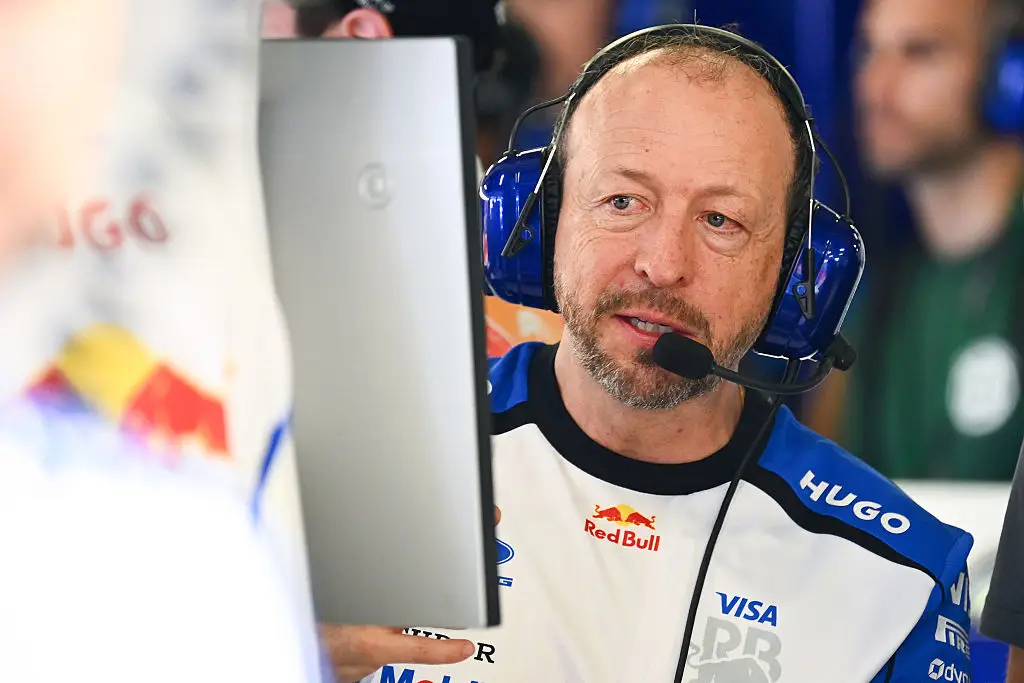
It has been reported that a decision would likely be made on whether the races go ahead by 29 March, but Racing Bulls chief executive Bayer has claimed that no deadline for a decision has been set.
Speaking in Melbourne on Saturday, he explained what was said when F1 officials met to discuss the matter at Albert Park.
“What we said is, first of all, it’s still a month to go,” Bayer said.
“Secondly, it’s also difficult to talk about it because I’m really sorry for the people and the situation [in the Middle East].
“But I also have to say that we are so focused on here, which is, for us now, really what matters at the moment.
“And I know Stefano [Domenicali] and the FIA, they’re monitoring the situation. And I trust they make the right decision for us as a team.”
The FIA, which governs F1 and other motorsport series, has already postponed the first race of the World Endurance Championship, which was set to take place in Qatar starting on 28 March.
As a result of the Qatar event being cancelled, the WEC season will now take place in Imola from 17–19 April.
But could the F1 events in the region be cancelled, and what needs to happen for the races to be postponed?
Speaking to SPORTbible earlier this week, Professor Simon Chadwick, who has previously served as director of research for the organisers of the 2022 FIFA World Cup and has also advised global sporting organisations, explained that there is a “real and distinct possibility that this year’s F1 races in Bahrain and Saudi Arabia won’t take place”.
Chadwick said: “With armed conflict in the region, unless a ceasefire is imminent, it is hard to see how the races will go ahead. We’ve seen missile attacks before, specifically at the Jeddah race in 2022 when Iranian-backed Houthi rebels bombed an oil installation next to the circuit.
“Drivers wanted the race cancelled, though they were eventually persuaded to go ahead.
“This time, however, one imagines that the drivers, teams, personnel, commercial partners, fans and so forth won’t even travel. Once the second race of the season in China is over, we’ll probably see a decision being made. Then, after the third race in Japan, everyone will want some certainty around whether they just come back to Europe or whether they must travel to the Gulf region.”
SPORTbible has contacted F1 and the FIA for comment.
 Luke Davies