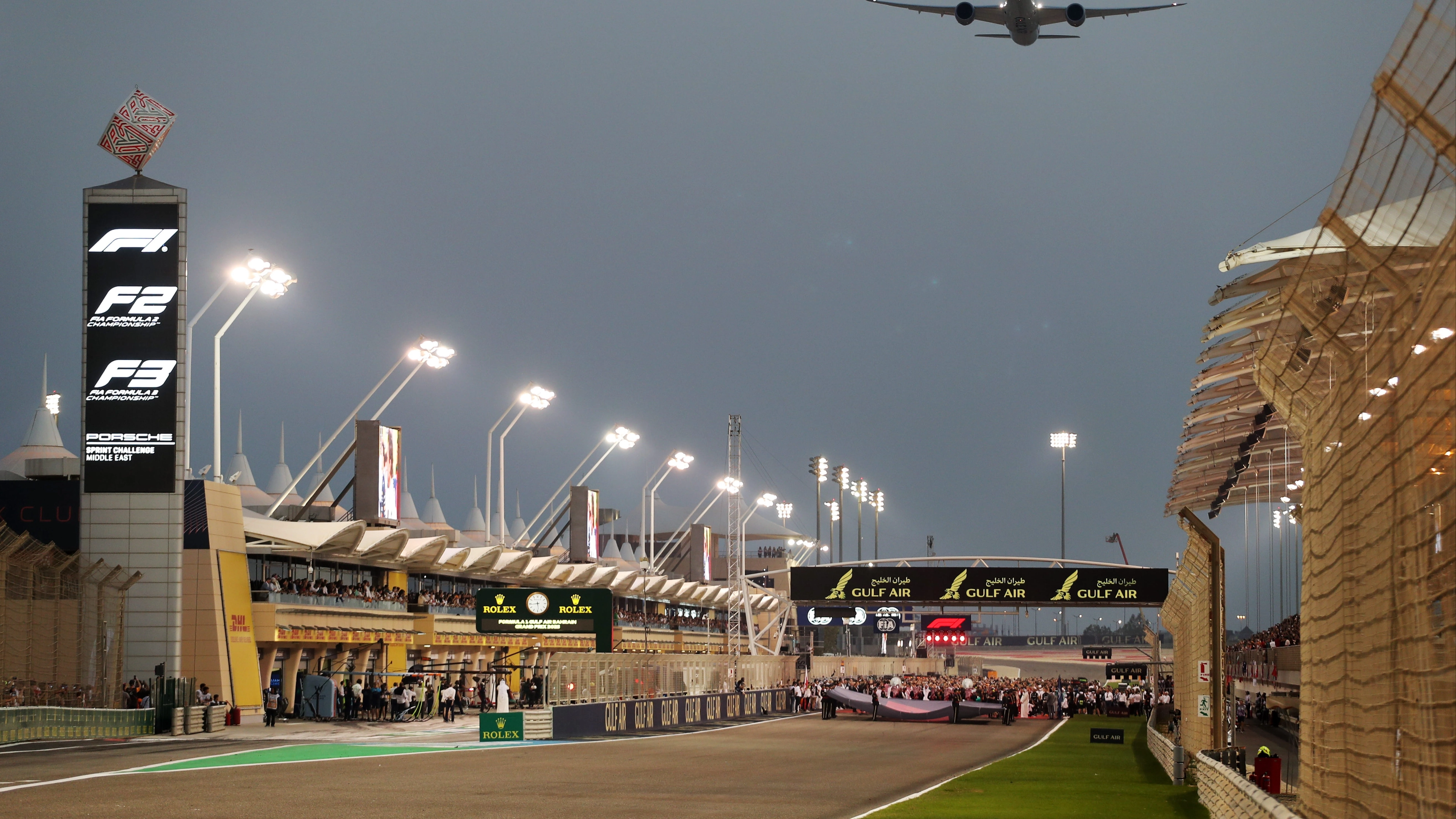
F1 has already set precedent on cancelling Saudi Arabia and Bahrain races

Formula 1 have already set a precedent when it comes to the potential cancellation of Grands Prix in Saudi Arabia and Bahrain.
The 2026 season gets underway with the Australian Grand Prix in Melbourne on March 8.
Races in China and Japan close out March, before F1 returns to Bahrain - where two pre-season tests were held last mopnth - for the fourth Grand Prix of the season on April 12.
A week later, teams will travel to Saudi Arabia for the Saudi Arabian Grand Prix.
Advert
The positioning of the Middle Eastern races on the calendar has been thrown into doubt over recent days after the United States and Israel launched a 'major combat operation' on Iran.
Iran's retaliatory attacks have so far focused on US and Israel military bases in the West Region of the Middle East.
Bahrain, Qatar and Jordan are among the nations who have intercepted aerial drones.
The situation could present major logistical difficulties for the FIA, who will have to ensure the safety of teams and other personnel as the first priority.
Tyre suppliers Pirelli cancelled a planned wet-weather test in Bahrain that was due to take place on Saturday and Sunday.
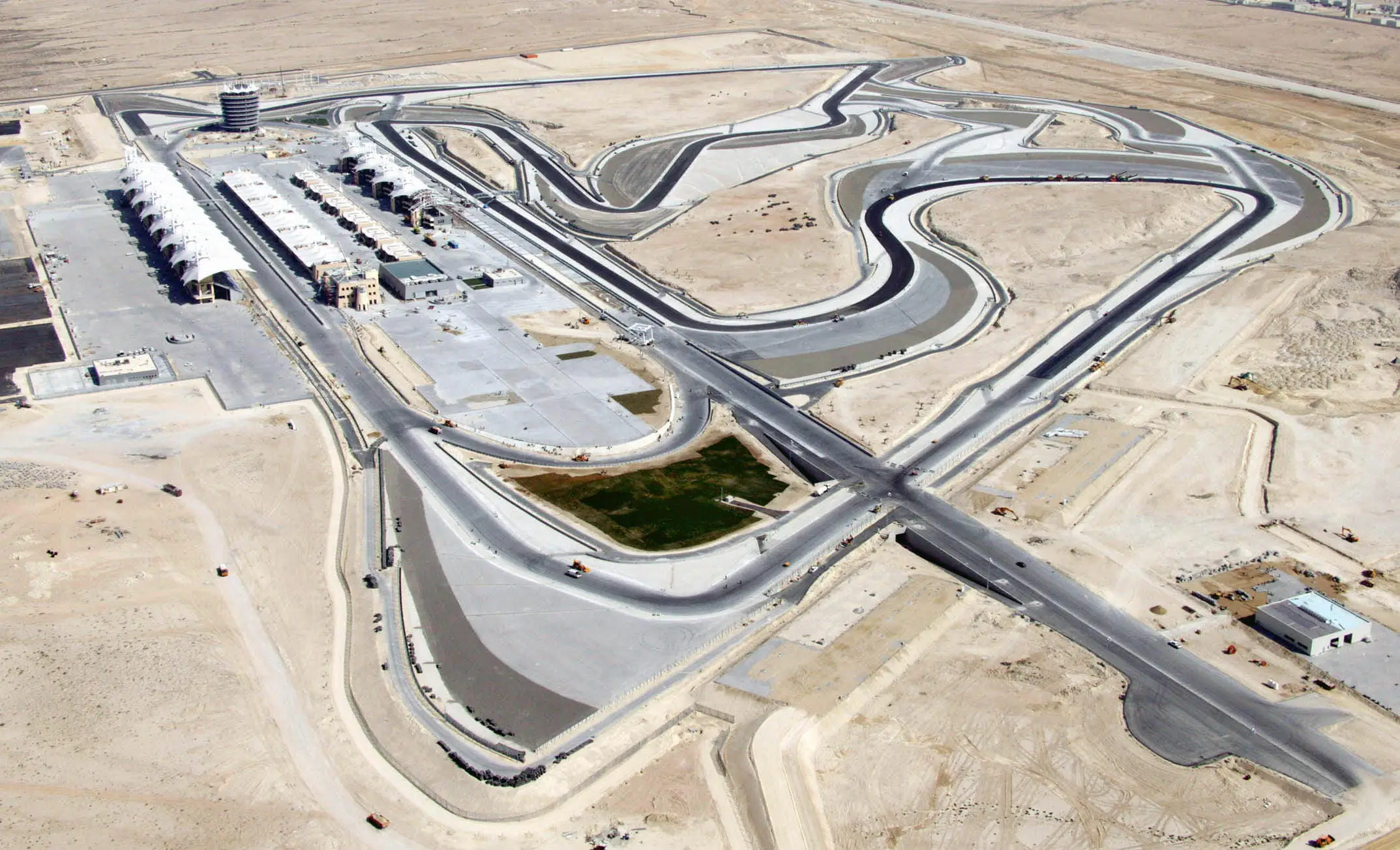
The test was not due to feature any active F1 personnel, with Pirelli instead having planned to test mule cars that had been provided by Mercedes and McLaren at the Bahrain International Circuit.
As things stand, the 2026 calendar remains unaltered, with an F1 spokesperson telling The Sun on Saturday: "As always, we closely monitor any situation like this and work closely with relevant authorities."
But what would happen if Grands Prix are deemed too unsafe to host in Saudi Arabia and Bahrain, given the political situation in the Middle East?
Back in 2011, Bahrain was due to host the opening race of the season, having done so for the first time in 2010.
Three weeks before the Grand Prix was to be held, however, the FIA postponed the race due to civil unrest in the Gulf nation.
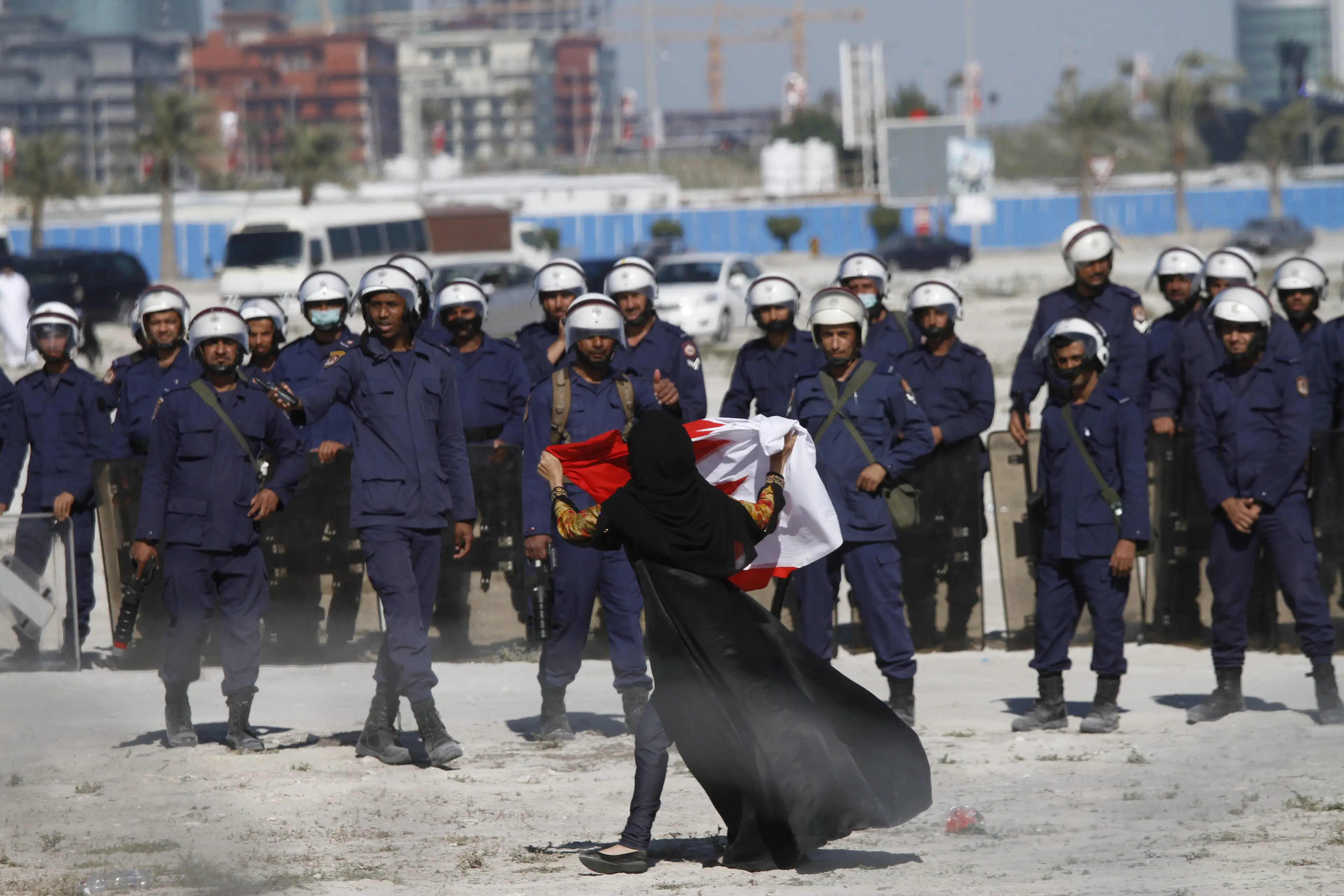
Significant anti-government, pro-democracy protests took place in Bahrain between February and March 2011, resulting in the deaths of at least 182 protestors.
In June of that year, the FIA rescheduled the race to October, but it was ultimately scrapped from that year's calendar altogether.
The World Motor Sport Council agreed to restore the inaugural Indian Grand Prix to its original slot of October 30, with the race having been proposed to be ran in December to make space for Bahrain.
During the 2022 Saudi Arabian Grand Prix race weekend, meanwhile, an attack took place on an oil depot just 12 miles away from the circuit while Friday practice was running. Yemen's Houthi rebel group took responsibility for the attack.
Red Bull's Max Verstappen had asked race engineer Gianpiero Lambiase, over team radio, whether his car was on fire, having been able to smell smoke while in the car.
Lambiase replied to tell Verstappen that the smoke was not related to his car.
The 20 F1 drivers and team personnel held talks overnight over the future of the Grand Prix, before it was ultimately decided on Saturday morning that the race would go ahead as planned.
A statement from the Grand Prix Drivers' Association read: "On seeing the smoke from the incident it was difficult to remain a fully focused race driver and erase human concerns.
"Consequently we went into long discussions between ourselves, with our team principals, and with the most senior people who run our sport.
"A large variety of opinions were shared and debated and, having listened not only to the Formula 1 powers but also to the Saudi government minister who explained how security measures were being elevated to the maximum, the outcome was a resolution that we would practice and qualify today and race tomorrow."
Topics: Formula 1, Saudi Arabia, FIA
 Ryan Smart