F1 Qualifying Rule Changes Confirmed For 2026 as Cadillac Become 11th Team

The FIA have made two changes to qualifying in the 2026 Formula 1 season ahead of Cadillac joining the sport as the 11th team.
Cadillac, the luxury car division of American manufacturer General Motors, will enter the sport as a standalone constructor from 2026 onwards.
They have recruited experienced drivers Valtteri Bottas and Sergio Perez, with former IndyCar star Colton Herta signed as their reserve driver.
Herta has left the IndyCar series to move into Formula 2, where he will gain a season of valuable experience as he looks to achieve his dream of competing in F1.
Advert
Their IndyCar links do not end there, as 2016 series champion Simon Pagenaud will serve as one of three simulator drivers.
Cadillac have four separate bases, three of which are based in the United States.
Their engines will be supplied by Ferrari, who are also working with fellow American team Haas.
It will be the first time that over 20 cars have competed in F1 since the 2016 season.
As a result, the FIA have made several tweaks to the qualifying system to account for 22 cars entering each session.
As per GPBlog, the qualifying format will be unchanged, with Q1, Q2 and Q3 remaining in place and running for the same amount of time.
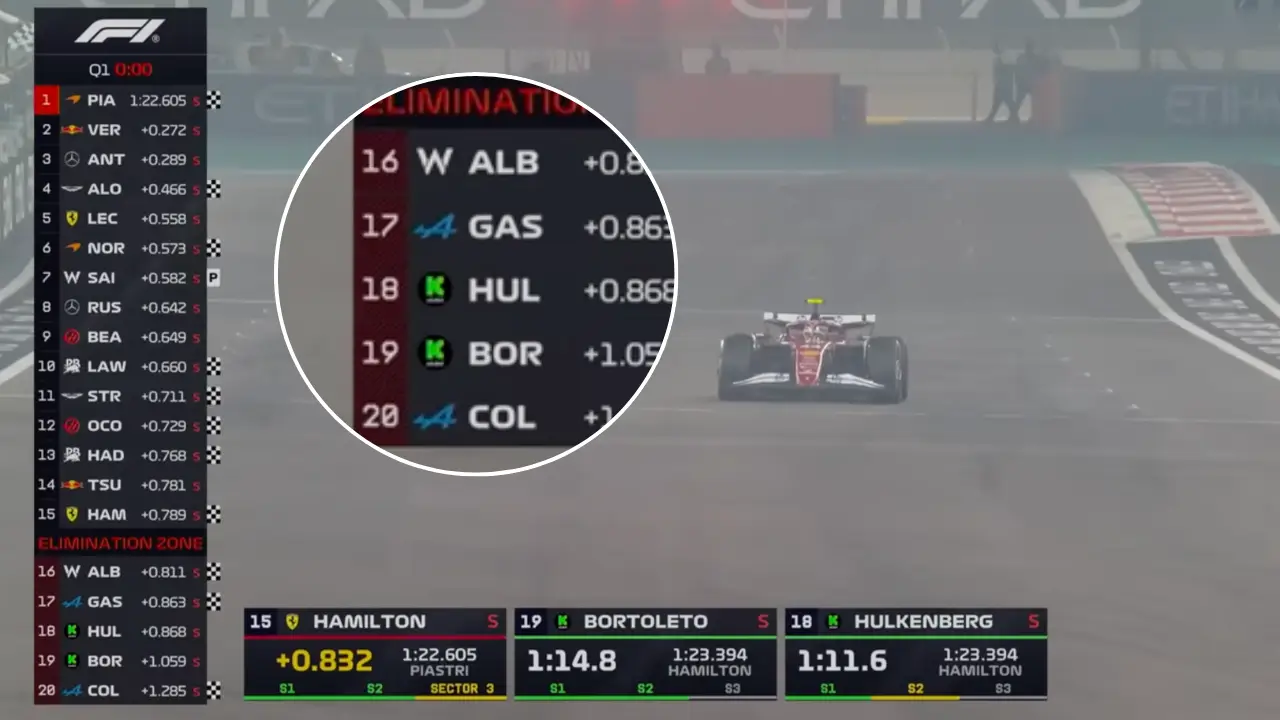
Instead of the usual five drivers being eliminated in Q1, however, six drivers will now be knocked out from the opening session.
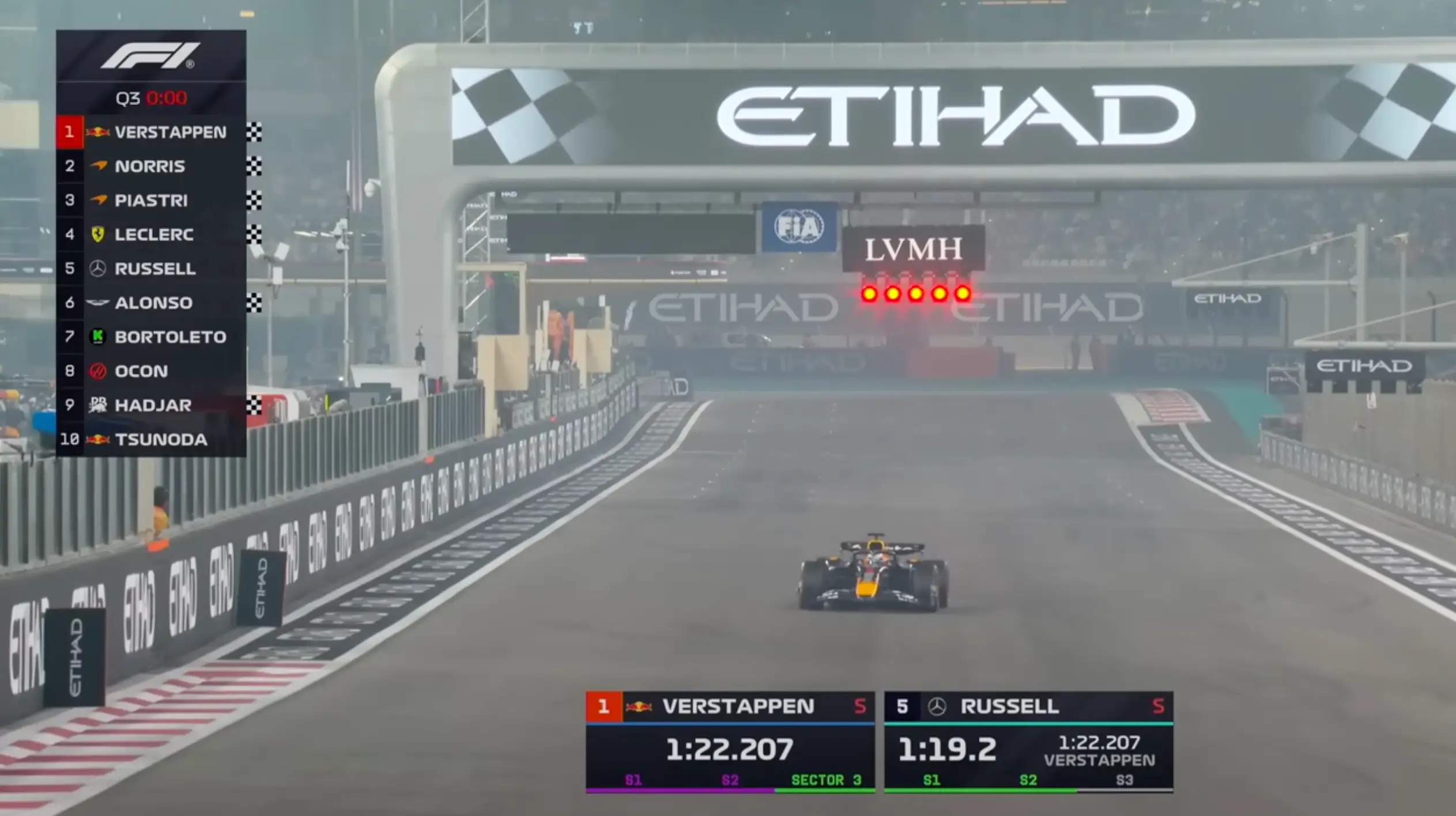
A further six drivers - again up from five - will be knocked out in Q2 to enable the top 10 to compete in the Q3 shootout.
The new format will surely last longer than the last time the FIA made key changes to qualifying.
- If you want to see even more from SPORTbible, make us a preferred source on Google.
In 2016, they introduced an 'elimination' format, where the slowest driver would be eliminated after seven minutes of a session, then the next slowest would be eliminated every 90 seconds.
The system lasted just one race, with the nature of the format meaning that no cars were on track at certain points in the session because they were guaranteed to be 'safe' from elimination.
It was scrapped after the season-opening Australian Grand Prix, with the sport immediately reverting back to the previous - and current - system.
 Ryan Smart