NFL Issued Lifetime Ban After Controversial Super Bowl Half-Time Show Incident

The NFL issued a lifetime ban after the 2025 Super Bowl after an incident that occurred during the half-time show.
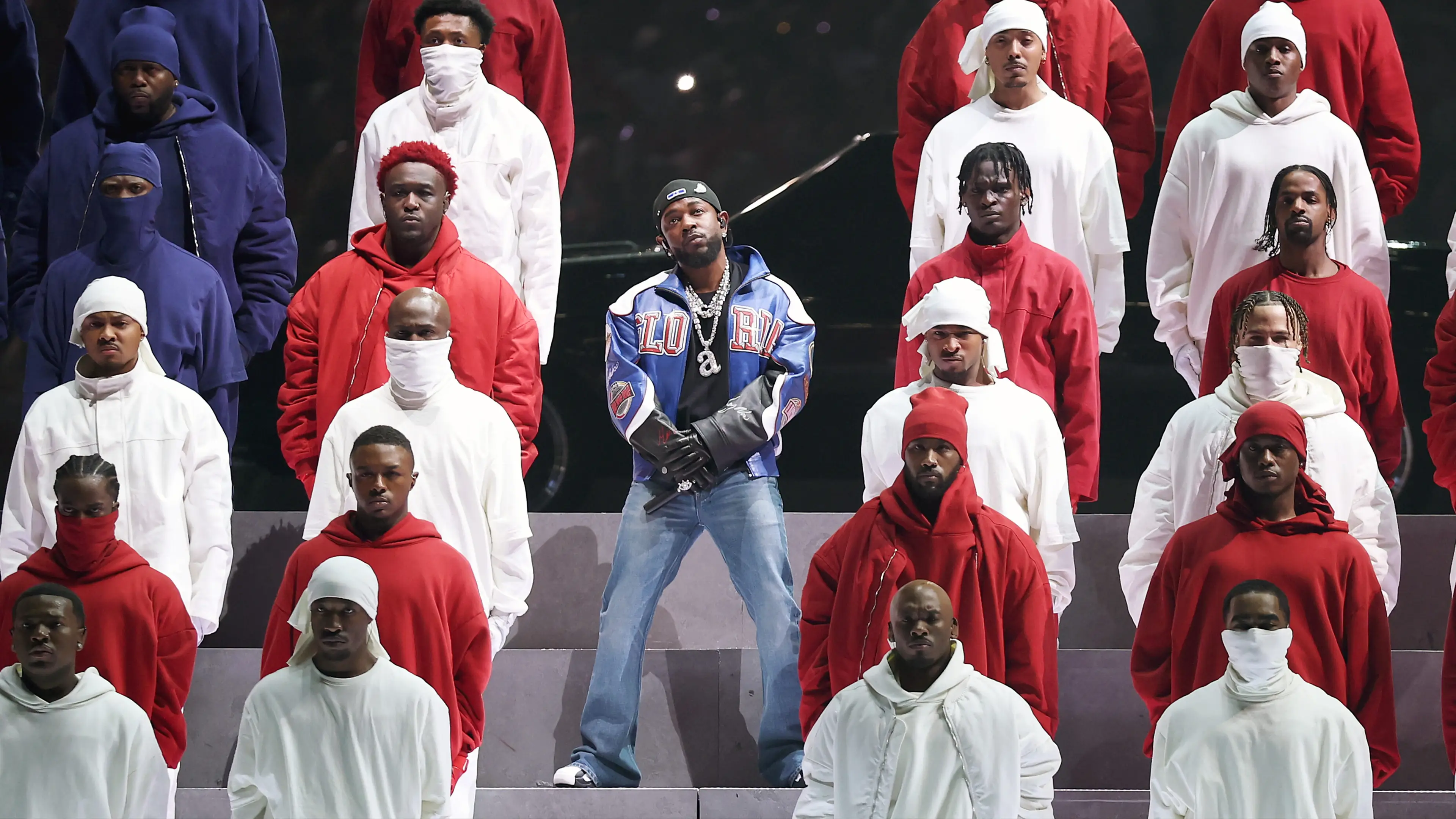
Last year's half-time show was headlined by American rapper Kendrick Lamar, with contributions from SZA and Samuel L. Jackson.
There was also a surprise cameo from tennis legend Serena Williams, who entered the stage during the performance and performed a crip walk - a dance move which originated in her home city of Los Angeles.
Producer Dan Balton revealed to The Athletic last week that Williams' cameo was kept secret until the day before the performance, when she appeared at rehearsals.
Advert
During the half-time show, a protestor ran across the field at the Caesars Superdrome, Louisiana, while waving a flag that read 'Sudan and Free Gaza'.
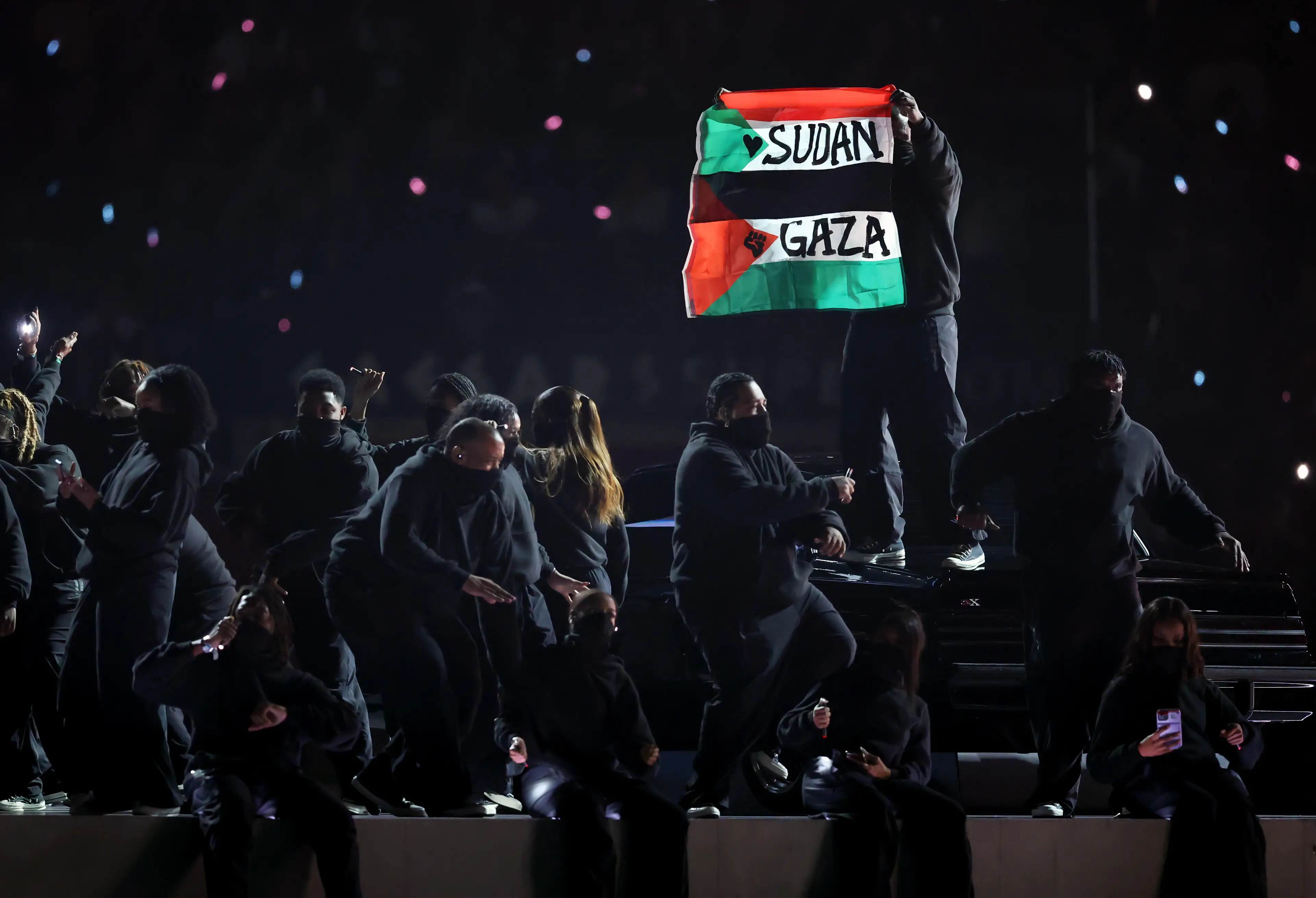
The flag was referring to the civil war in Sudan, with the US deeming last year that the Rapid Support Forces (RSF) - a powerful paramilitary group - and allied militias have both been committing a genocide.
The UN, meanwhile, declared that Israeli forces were committing genocide on Gaza amid the Israel-Gaza war, while the city also meets the UN criteria from famine. Both of these declarations were made after the Super Bowl protest.
Zul-Qarnain Kwame Nantambu, 41, was charged with resisting a police officer and disturbing the peace by interrupting a lawful assembly, a police statement read.
Nantambu, who had turned himself in to authorities, was hired as an extra performer and had what police described as 'permission to be on the field during the performance, but did not have permission to demonstrate as he did'.
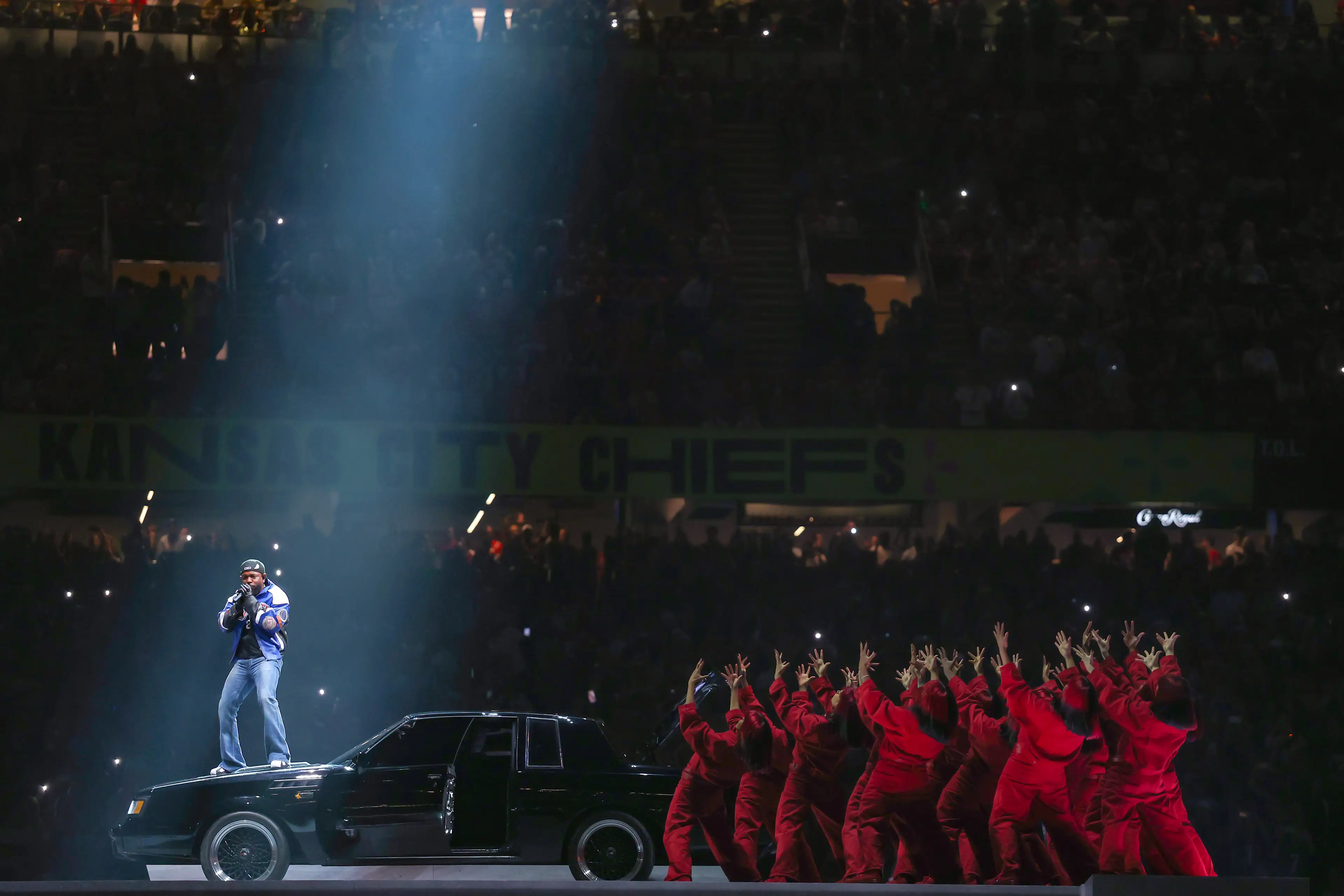
He had held the flag in the air while stood on the roof of a car, before being tackled to the ground by security guards.
The NFL said he would be issued a lifetime ban from matches.
In November, former NFL wide receiver Antonio Brown was arrested on an attempted murder charge after a shooting took place at a celebrity boxing event in Miami.
The alleged victim was Nantambu, who told investigators - after he turned himself into authorities following the Super Bowl protest - that one of the bullets grazed his neck.
The case against Brown is ongoing. In January, a judge gave him permission to travel within the state of Miami for business-related work.
Topics: NFL, American Football, Super Bowl
 Ryan Smart