Ferrari engineers accused of breaking 'number one rule' that harmed Miami performance

Ferrari have been accused of breaking Formula 1's 'golden rule' that led to their poor performance at the Miami Grand Prix.
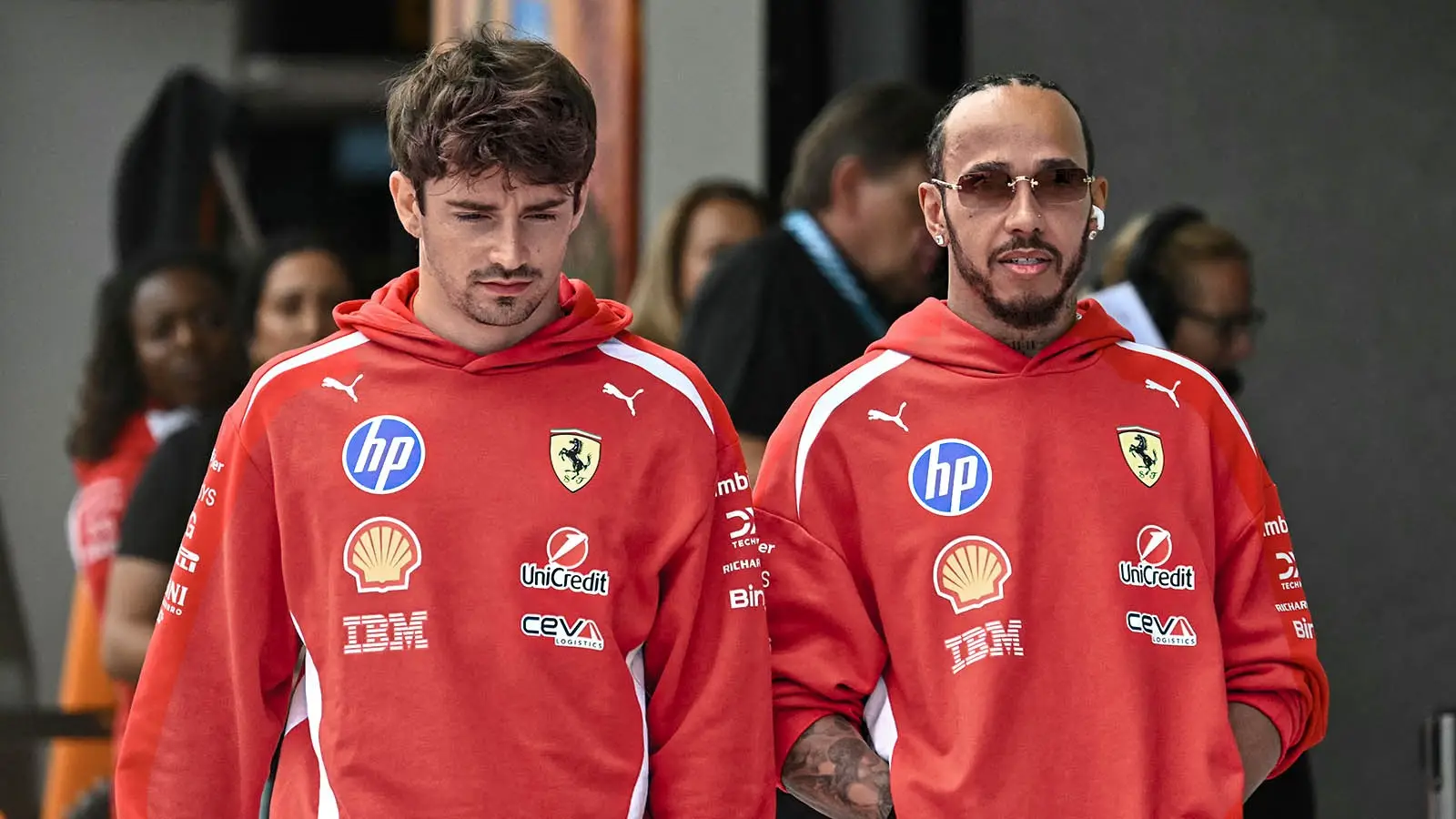
Drivers Lewis Hamilton and Charles Leclerc finished in sixth and eighth places respectively on what was a tough afternoon for the Scuderia.
There were mitigating circumstances in each of those results, as Hamilton lost around 0.5 seconds of downforce per lap after he was hit by Alpine's Franco Colapinto on lap 1.
Leclerc, meanwhile, was in third place on the penultimate lap before losing the position to Oscar Piastri.
Advert
He then span out of turn three on the final lap, suffering left front suspension damage, and fell behind George Russell and Max Verstappen before incurring a further 20-second penalty for repeated corner cutting as he tried to limp his Ferrari to the finish line.
But the Scuderia clearly were not exactly where they wanted to be - and, crucially, appeared to have lost ground to both McLaren and Mercedes.
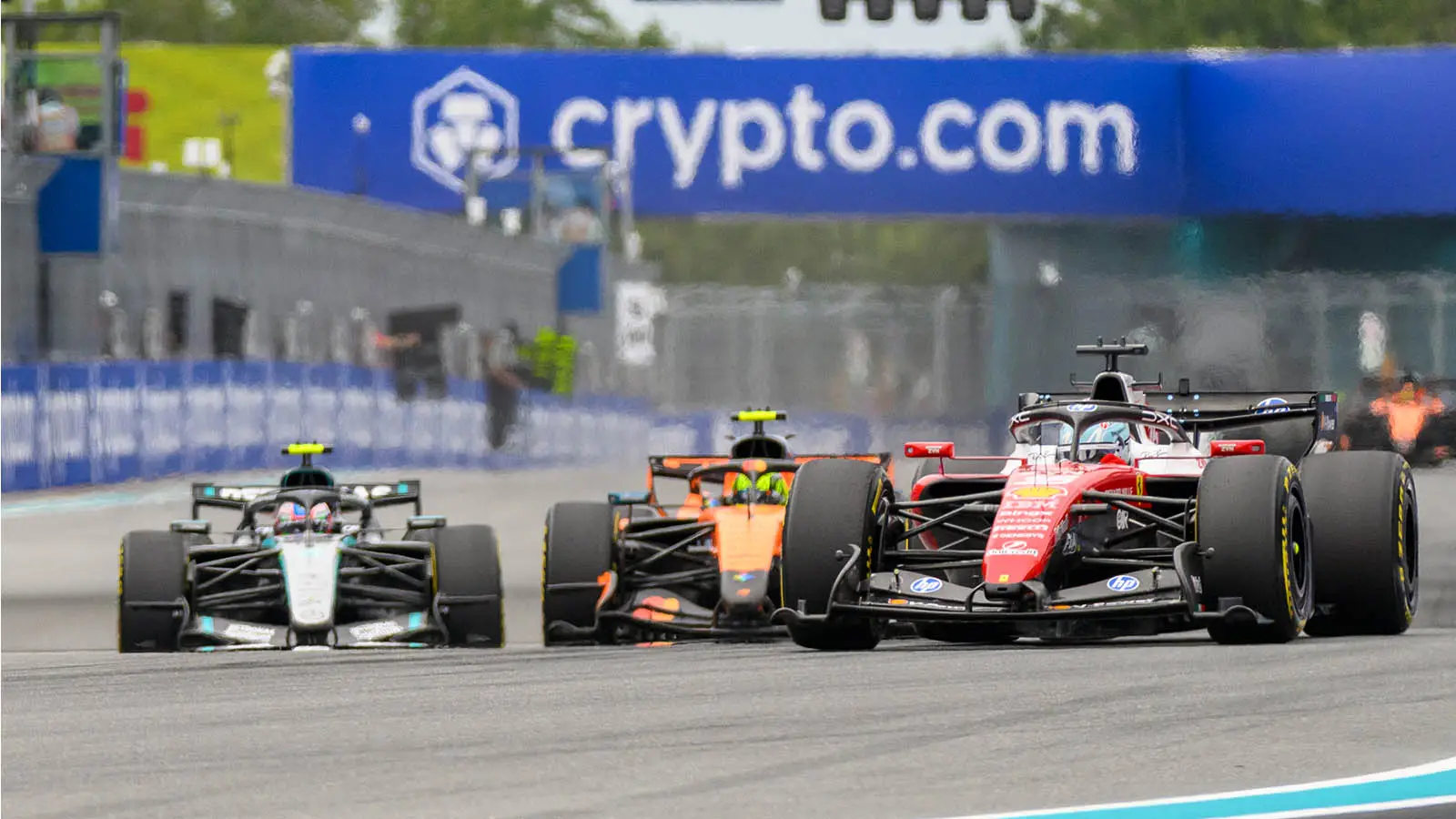
Former IndyCar driver James Hinchcliffe, who now works as a pundit for F1TV when races do not clash with his commitments Stateside, claims that Ferrari broke the 'number one rule of engineering' in terms of the upgrades they brought to Miami.
The team tested various updates during a filming day at Monza in the enforced five-week break, including their new 'Macarena' rear wing and a revised front wing endplate design.
In total, Ferrari brought 11 upgrades with them to Miami, as per an official FIA document.
And Hinchcliffe believes that - coupled with a lack of practice time as a result of the sprint weekend - made a significant difference on the team's overall performance.
"It really makes the job for the drivers difficult" - Hinchcliffe on Ferrari
"This is the number one rule of engineering, is make one change at a time, so you can isolate what's actually better or worse," the Canadian said.
"They don't have that freedom, with no testing and a single practice session.
"You're bolting on 11 or 12 different components, and it really makes the job for the engineers difficult.
"It really makes the job for the drivers difficult to isolate what's helping, what's changing, what's hurting. This, that or the other.
"And all of these things work together. Nothing is working in isolation on a Formula 1 car. It's massively challenging to bring such a large list of upgrades.
"So whether or not they maximised the potential of the car over the weekend - maybe, maybe not. I think they were doing a great job of maximising the car they had for the race until the spin at the end."
Hamilton felt that Ferrari did have the pace to challenge for the upper points places, and specifically pointed to the fact that the team had made positive adjustments between the sprint and qualifying before the cars were placed under parc ferme conditions.
"I think we progressed going into qualifying, and the laps to the grid felt really strong," he told Crash.net.
"I was already feeling like, 'Yeah, we're going to be strong in this race'. And then obviously with the damage... and it's the worst when it happens on lap 1 as well, because then there's just nothing you can do.
"Honestly, I think without the damage, I think we would have been right up in the fight. So it's a shame, because it doesn't really truly reflect the hard work that the team has done."
Topics: Ferrari, Lewis Hamilton, Charles Leclerc, Formula 1
 Ryan Smart