Iran women's team stage protest before first match since Middle East war began

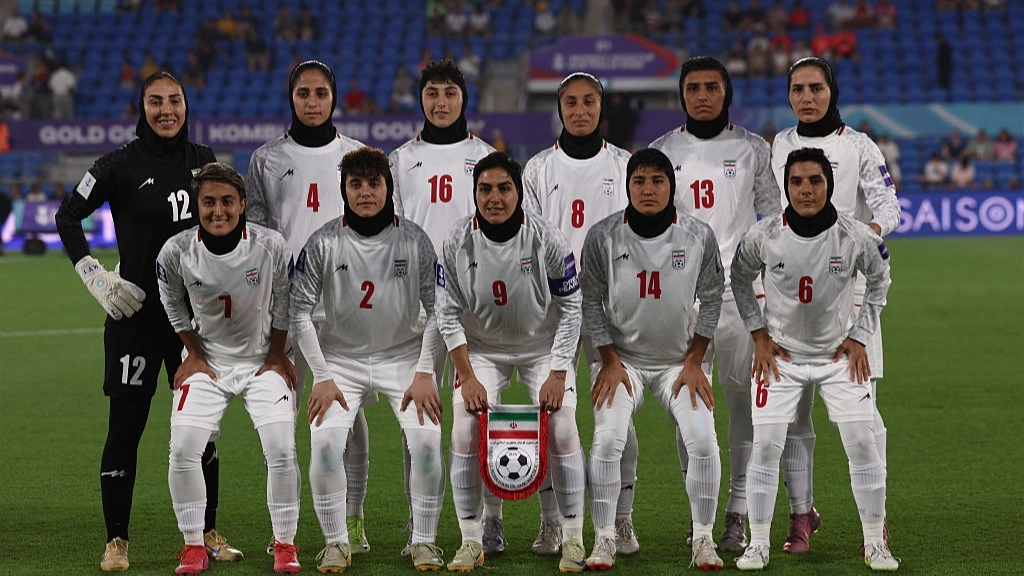
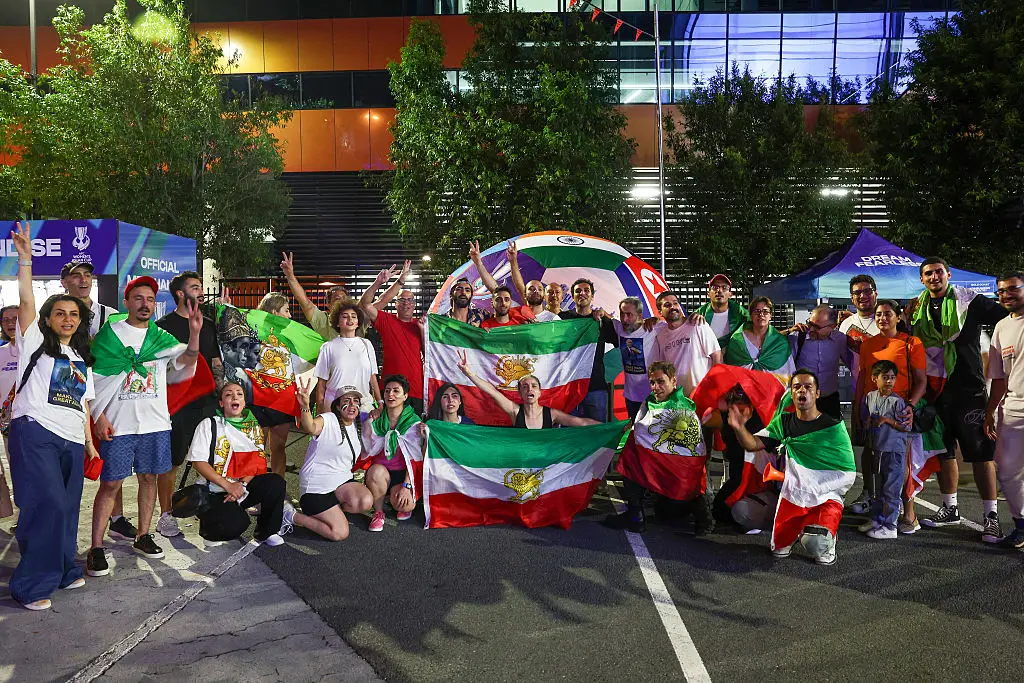
Iran’s women’s football team refused to sing the nation’s national anthem ahead of their Asian Cup opener against South Korea in Australia on Monday (2 March), which was the third day of the ongoing conflict in the Middle East.
On Saturday (28 February), the US and Israel engaged in a joint military offensive striking Iran, which resulted in the nation’s Supreme Leader, Ali Khamenei, being killed along with several other members of his family.
Iran retaliated by firing missiles and drones at neighbouring countries in the Gulf, including Israel, the UAE, Cyprus, Bahrain, Kuwait, Saudi Arabia and Qatar.
Israel and the Iranian-backed Shia militant group Hezbollah have also exchanged fire since the conflict began.
Advert
The conflict will impact the world’s economy, with fuel prices already soaring and stock market indexes falling after an Iranian official claimed that the country would “set fire” to ships trying to travel through the Strait of Hormuz, which sees a fifth of the world’s oil trade shipped through it.
The conflict has already impacted sport, with the Qatar Stars League being suspended, while fears continue to linger that the upcoming Bahrain and Saudi Arabian Grand Prix weekends could be moved if the bombings continue.
Meanwhile, England Lions’ tour of the UAE has been cancelled, as has England Women’s training camp, which was due to take place in Abu Dhabi later this week.
There have also been suggestions that the Iranian men’s football team could pull out of the upcoming 2026 FIFA World Cup, with the nation currently scheduled to play all three group matches in the US.
On Sunday (1 March), the president of Iran’s football federation said that he does not know if the national team will be able to compete at this summer’s tournament.
“What is certain is that after this attack, we cannot be expected to look forward to the World Cup with hope,” Mehdi Taj told Varzesh3.
On Monday, the Iranian women’s team lost 3-0 against South Korea in Queensland, Australia, in what was their first game since the conflict began.
As the national anthem was played ahead of kick-off, the squad simply stood in silence rather than singing in an apparent protest.
Following the match, the players and head coach Marziyeh Jafari were asked to comment on the death of Khamenei, but declined to do so.
Australia midfielder Amy Sayer then praised the team for showing courage.
“Our heart goes out to them and their families; it’s a difficult situation, and it’s really brave of them to be able to be here and to perform,” she said.
“They put on a really strong performance, even with the political climate that’s going on and the struggles that they might be going through.
“The best we can do to contribute is to just give them the best game of football [on Thursday] that we’re able to and to show them respect on the field. Hopefully, the situation improves and they can keep staying safe in Australia.”
Iran return to action against the host nation on 5 March before they take on the Philippines on 8 March.
Topics: Womens Football
 Luke Davies