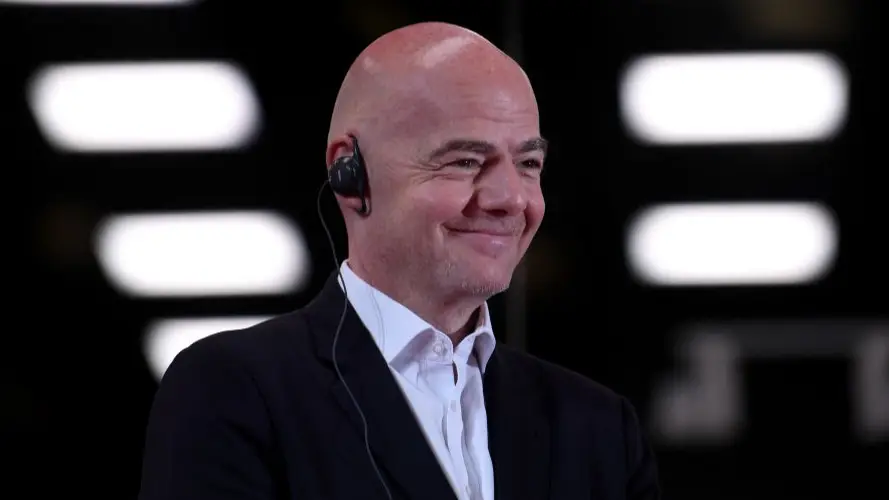
FIFA has set precedent for moving World Cup games as tournament plunged into chaos

FIFA has previously set a precedent on moving events amid safety concerns related to Mexican cartel violence ahead of the 2026 FIFA World Cup.
On Sunday (22 February), Jalisco New Generation Cartel (CJNG) chief and Mexico’s most wanted man, Nemesio Oseguera Cervantes – otherwise known as “El Mencho” – died in custody after a security operation in Tapalpa, Jalisco.
The 59-year-old’s death has resulted in widespread cartel-led violence throughout the nation, with reports showing huge plumes of smoke above several cities, while vehicles have been set alight and roadblocks put in place.
Several security officers have been killed in the wave of violence, which has resulted in concerns about the nation’s ability to host the upcoming World Cup, alongside the US and Canada.
Advert
Guadalajara, the capital city of the state of Jalisco, where the violence began, is set to host four World Cup matches, while five will take place in Mexico City and four in Monterrey.
Some fans have suggested moving matches away from the nation if the violence continues, with FIFA regulations stating that the body can “cancel, reschedule or relocate one or more matches (or the entire FIFA World Cup 26) for any reason at its sole discretion, including as a result of force majeure or due to health, safety or security concerns”.
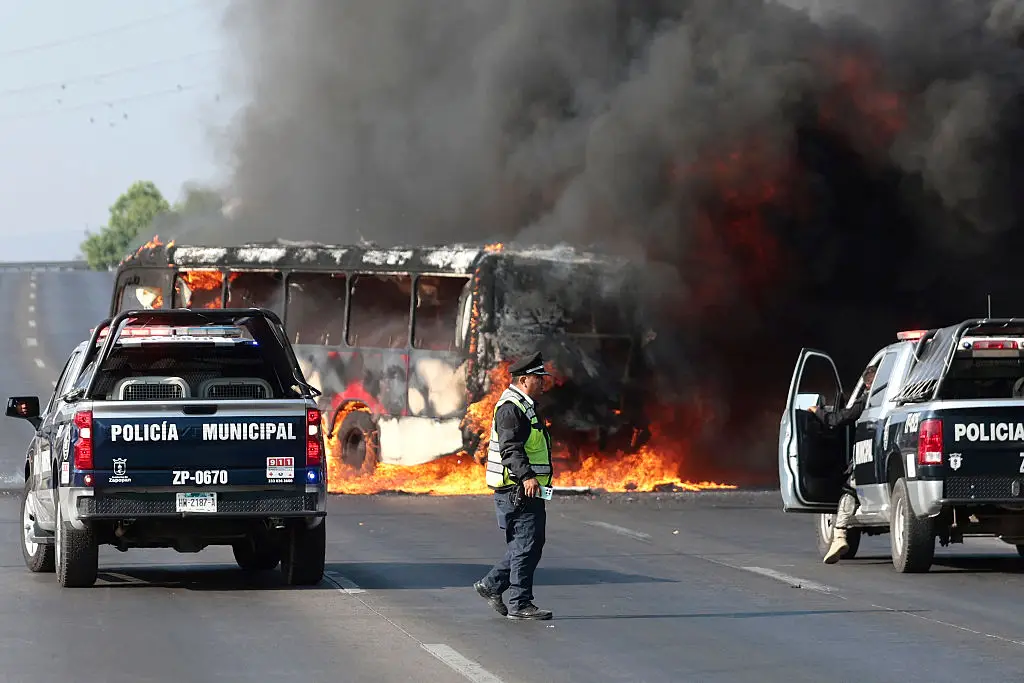
Force majeure is defined as an event such as war, crime or any other unforeseen circumstance which prevents someone or an organisation from fulfilling something set out in a legal agreement.
However, based on FIFA’s recent statement on the situation, there is nothing to suggest that Mexico will be stripped of hosting rights at this time.
As per The Athletic, a FIFA spokesperson said: “At FIFA Mexico, we are closely monitoring the situation in Jalisco and remain in constant communication with the authorities.
“We will continue to follow the actions and directions from the different government agencies, aimed at maintaining public safety and restoring normality, and we reiterate our close collaboration with federal, state and local authorities.”
Meanwhile, FIFA president Gianni Infantino has maintained that he’s not worried about the situation and has full confidence that the matches will go ahead as planned.
“We are looking very carefully at what is happening in Mexico,” he told AS.
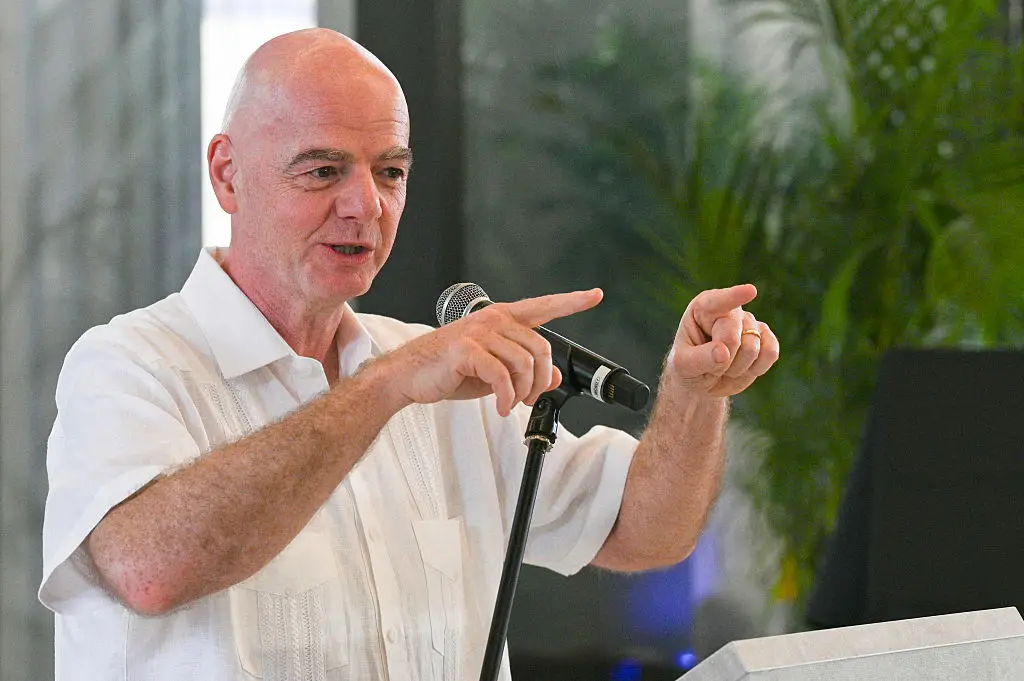
“We are in contact with the presidency, with the authorities, and we have full confidence that everything will go very well: the play-off and then the World Cup. It will be a celebration.”
But if the situation continues in Mexico, safety concerns will continue to grow, which may force FIFA to act.
But how has the body reacted to similar situations in the past?
Back in 2003, FIFA decided to move the Women’s World Cup from China because of the SARS (Severe Acute Respiratory Syndrome) outbreak.
The United States ended up hosting the tournament before China were then granted hosting rights for the subsequent competition in 2007, while also receiving financial compensation.
The relocation of a tournament also happened in 1986 when Colombia withdrew from hosting the World Cup due to financial reasons, before it was later hosted by Mexico.
In 2023, FIFA stripped Indonesia of the hosting rights for the Under-20 World Cup after the governor of Bali, Wayan Koster, refused to host the Israeli team.
The Football Association of Indonesia (PSSI) announced that FIFA were essentially forced to cancel the draw due to Koster’s refusal. FIFA then handed the hosting rights to Argentina for the tournament.
Topics: FIFA, FIFA World Cup
 Luke Davies