
FIFA decision leaves 30 World Cup nations and Brazil boss Carlo Ancelotti facing huge financial hit

Around 30 nations that have qualified for the World Cup are set to face increased costs and losses after FIFA reportedly failed to agree on a tax exemption with the United States government ahead of the 2026 tournament.
Just 18 of the 48 nations that have qualified for the World Cup have signed a double taxation agreement (DTA) with the US, which means their delegations are exempt from paying federal taxes.
Co-hosts Canada and Mexico are among those that have signed DTAs, along with several European nations.
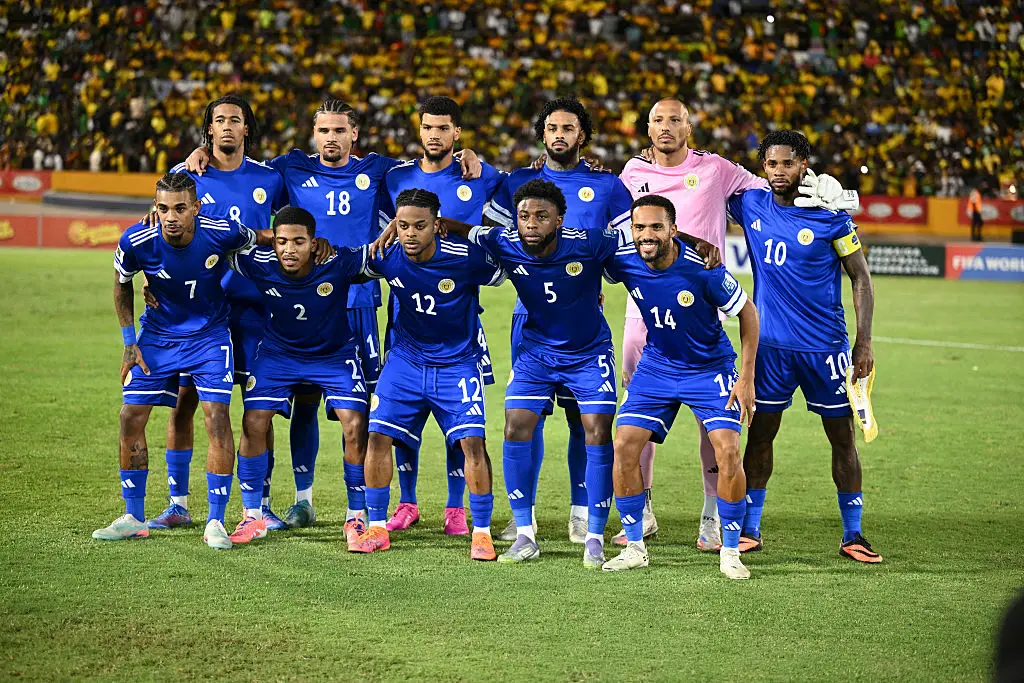
However, smaller nations such as Curaçao may be hit with larger tax bills than the likes of England, France and Germany, with the aforementioned trio all having DTAs with the US, as per The Guardian.
Advert
Under US law, athletes are required to pay tax on their earnings if they work in the nation, although coaches – such as England boss Thomas Tuchel – will be covered by the exemption, meaning they only need to pay tax in the country where their federation is based.
Issues may also arise from the fact that FIFA’s operational budget for the 48 teams works out at $600 per delegation member, $250 less than the budget for the previous tournament in Qatar, despite living expenses in the US being much higher than in the Middle Eastern nation.
The Qatari government also allowed tax exemptions for all 32 of the 2022 World Cup participants.
Speaking to The Guardian, tax consultant Oriani Morrison said: “The teams that come from more advanced, sophisticated jurisdictions that have a tax treaty with the US, such as England and Spain, will have much lower costs than smaller countries such as Curaçao and Haiti, for example.”
Brazil boss Carlo Ancelotti is expected to be hit by the tax rules, with the former Real Madrid head coach to pay tax on his earnings in Brazil as well as the US. The US federal corporate tax rate is around 37 per cent for higher-rate taxpayers.

“Many of the smaller teams, ones for whom this kind of windfall would have made a huge difference to their football industries, are going to be penalised with massive US tax bills,” Morrison added. “That is money that could have developed their football industries locally a lot better, but it’s going to stay in the US.
“There’s a huge discrepancy. It’s going to cost most non-European countries a lot of money to go to the World Cup.”
The Brazilian federation may cover Ancelotti’s heightened tax bill.
Teams that compete in Canada and Mexico may receive lower tax bills, as the two co-hosts have granted tax exemptions to all associations.
The World Cup gets underway on 11 June, with Mexico set to host South Africa in the tournament’s opener in Mexico City
 Luke Davies