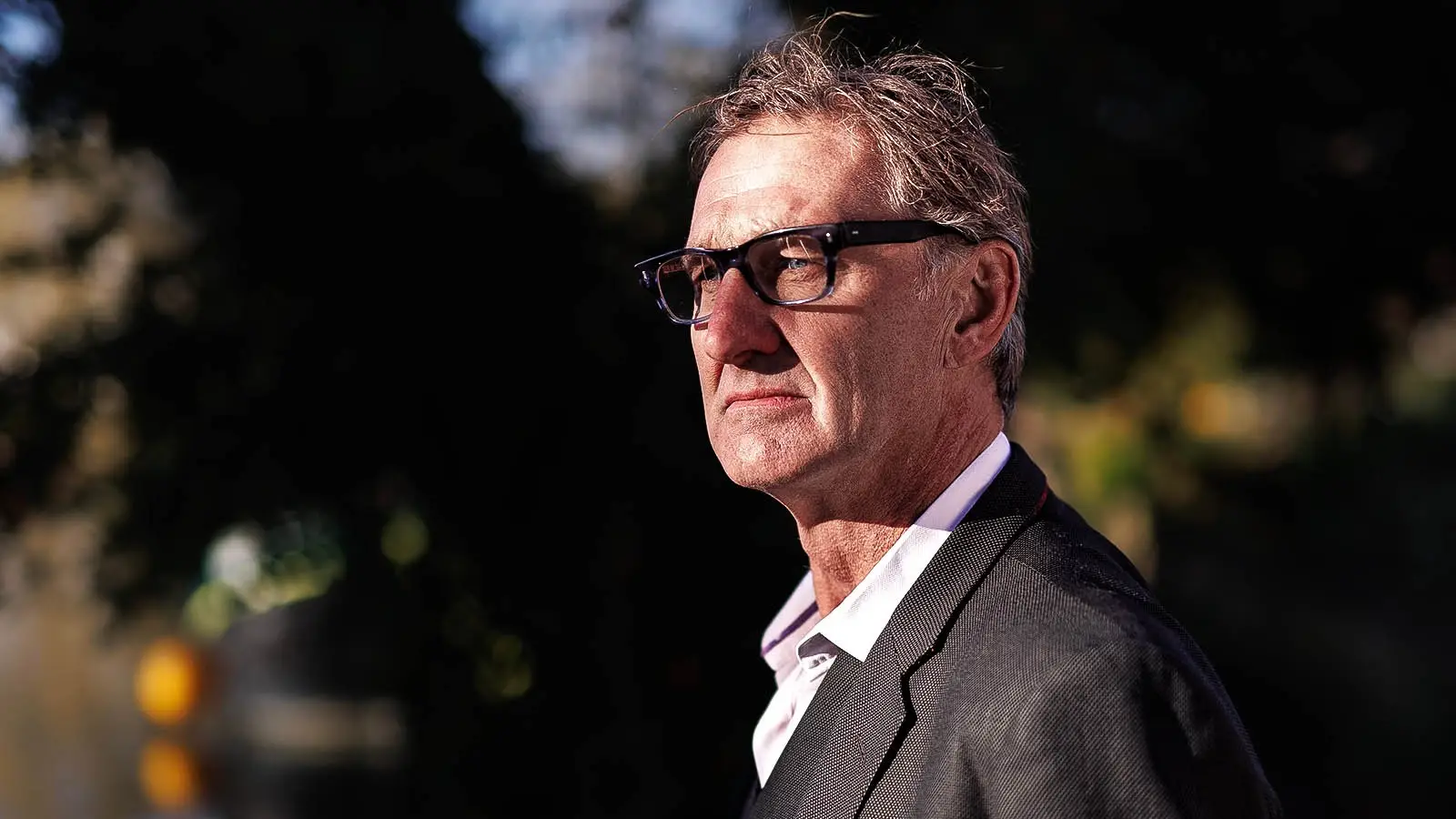
Tony Adams bravely opens up on health battle that left him 'wanting the end'

Arsenal legend Tony Adams has bravely opened up about his much-publicised battle with alcoholism during his playing career.
Adams became Arsenal's club captain at the age of 21 and, by the time he was just 24, had already led the Gunners to two First Division titles.
He made his England debut aged 20 under the management of Sir Bobby Robson.
As the 1990s wore on, Arsenal were toppled at the very top of English football by Manchester United, Leeds United and then Blackburn Rovers.
Advert
Manager George Graham, who was in charge for both of the aforementioned First Division title wins, was sacked in February 1995, shortly after the Premier League found he had accepted an illegal payment worth £425,000 from a player agent.
His replacement, Bruce Rioch, guided Arsenal to fifth place in the 1995/96 season, but was sacked before the start of the new season in August 1996 following a board dispute and replaced by Arsene Wenger.
Seven days after Rioch's sacking, on August 19, Arsenal captain Adams walked into an Alcoholics Anonymous meeting and stated that he was an alcoholic.
In 1991, Adams had been convicted of drink driving and sentenced to four months in prison, of which he served half before being released.
The centre-back would tell The Guardian in 2024 of his time inside, and what happened once he was released: "I was in there because I was four times over the legal limit.
"I went straight across an A road, doing 80mph, out of control for the length of a football pitch, and rightly so, ended up in prison because of that.
"I was talented and I kept getting away with it [the drinking]. My ego was going up and up and up and my self-esteem was coming down and down. After prison, I kept on drinking for six years.
"The insanity is not to go into the prison and drive over a wall and into someone's front garden. The insanity is getting your licence back and then within days, drinking and driving again.
"I didn't need prison; it didn't touch the sides. I needed rehab. There was no 12-step programme in prison."
It was as July turned into August in 1996, shortly after he played a part in England's run to the European Championship semi-finals, that Adams realised something had to change.
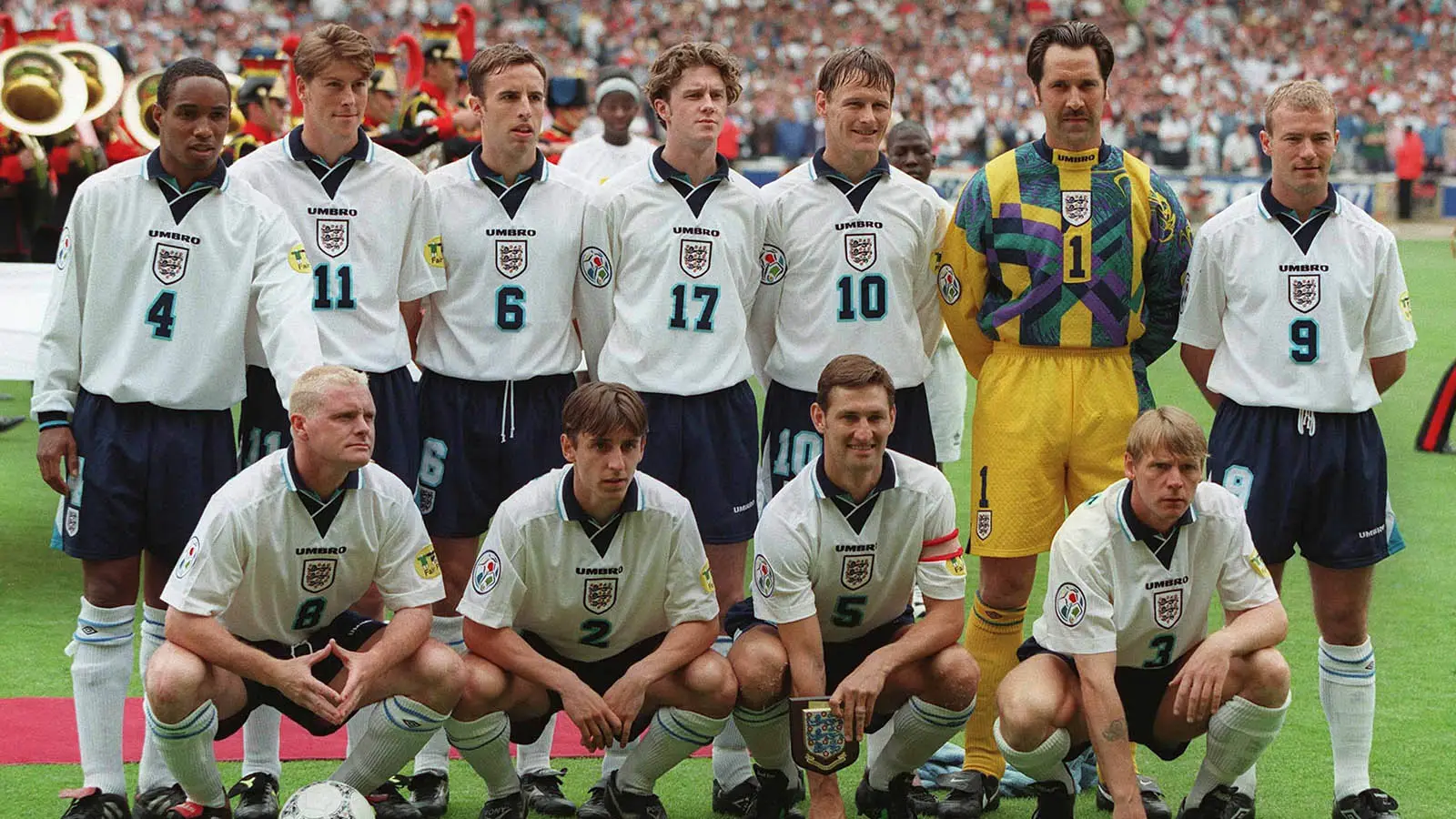
He tells The Athletic, in a new interview, that had England gone on to win the tournament - instead of Gareth Southgate missing the vital penalty kick in the semi-final shootout against Germany - he 'might never have got sober'.
"I've never been so lonely and so desperate and sad when I saw all the players leaving [England's base] Burnham Beeches," he recalled.
"They'd all gone back to their families, and I had no option but to keep going. I was 29.
"Twelve years after starting out on lager shandies, now I had a pint of Guinness with a brandy in it for good measure.
"I got to that moment where I just gave in. It had stopped working. I wanted the end."
"I put everything down and started to work through the fear and the self-loathing," Adams explains. "I lived on my own, got to know myself, warts and all, and realised that I've still got a big nose, but it's okay to have a big nose.
"I didn't have an alcohol problem. I had a me problem. I fixed me, and I started to like myself a bit, and, hallejuah, I didn't need to fix."
Adams has been sober ever since August 16, 1996, and now focuses his time on supporting others.

He set up the Sporting Chance clinic in 2000 to support footballers with mental and emotional health problems, with the charity also providing treatment for addictive disorders.
As for the drinking culture at Arsenal during the 1990s, the appointment of Wenger as Gunners boss heralded a new dawn as he banned alcohol in the players' lounge after he arrived in 1996, and banned players from drinking together completely in 2004.
On Sporting Chance, which he co-founded with former Arsenal team-mate Paul Merson, Adams told The Athletic last year: "This is what I was put on this earth to do.
"I had a good football career, but I've been retired for 23 years now. That's longer than I played football.
"So there's more to me than drinking and playing football. Thank God for that."
Adams, who turns 60 this year, has written a new book titled 1996: Reflections on the year that changed my life, which is released on Tuesday, April 14.
Topics: Arsenal, Premier League, Arsene Wenger
 Ryan Smart