Four F1 drivers set to benefit from regulation change in 2026 season

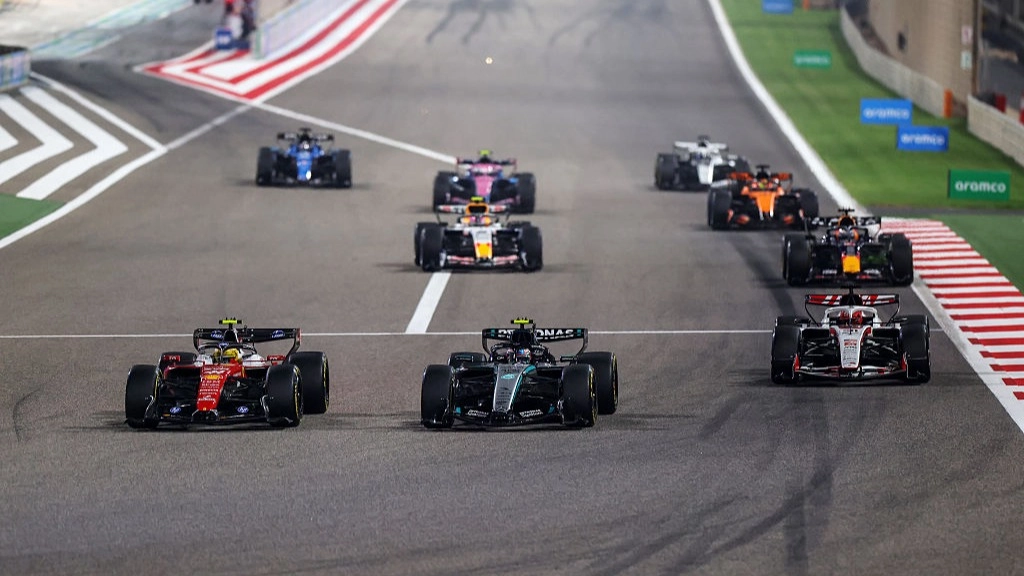
Four Formula 1 drivers could be set to benefit from cars being smaller, narrower and lighter during the 2026 campaign.
With the Australian Grand Prix set to raise the curtain on the 2026 F1 campaign, fans and drivers will already be predicting how the biggest rule change in years will impact the sport this season.
The Drag Reduction System (DRS) will be replaced by overtake mode, which the FIA has already predicted will mean that “the chances of an overtake occurring will also be increased by the leading car’s energy deployment tapering off after 290km/h, while the car behind can use the override for a full 350kW up to 337km/h.”
Overtake mode can be deployed when a driver is within one second of the car in front, allowing them to use additional electrical energy, which in turn will result in higher speeds to aid overtaking.
Advert
The chassis of the cars are also smaller and lighter, with the minimum weight lower than in previous seasons. The length and width of the cars have also been reduced.
So, who could this benefit?
In theory, drivers who are more skilled at overtaking should reap the rewards of smaller cars and overtake mode.
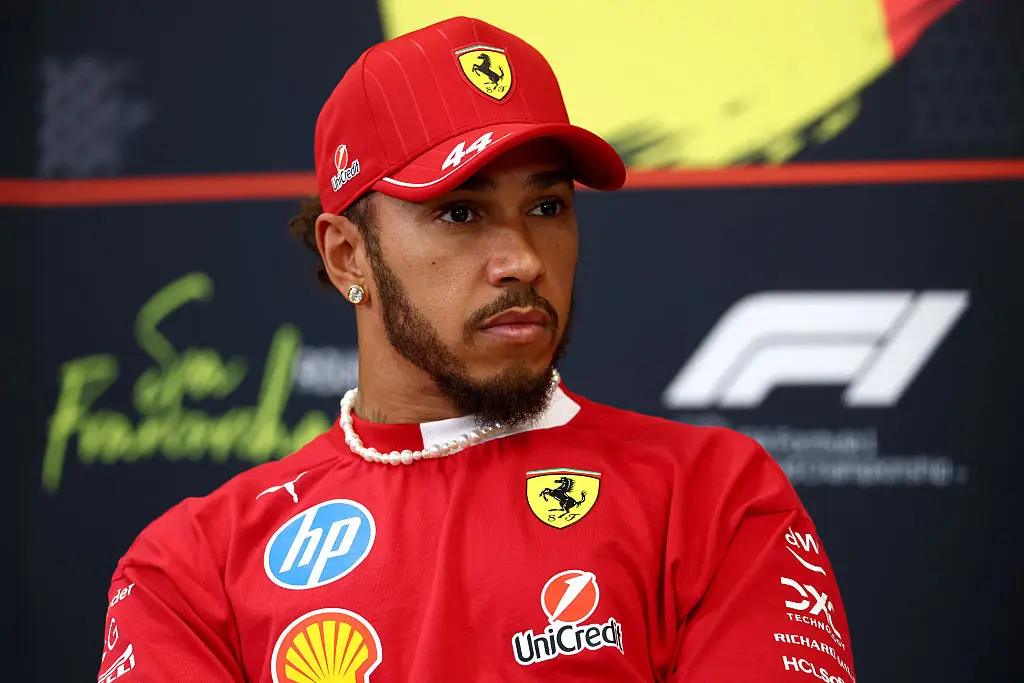
Of the current crop of drivers, Red Bull’s Max Verstappen, Ferrari duo Lewis Hamilton and Charles Leclerc, and Aston Martin veteran Fernando Alonso are widely considered to be the most skilled overtakers in the field.
Speaking in an exclusive interview with SPORTbible, Duncan Walker, Professor of Applied Aerodynamics at Loughborough University, explained how the changes in weight and width of the cars may impact driver performance.
“Smaller means more space on the track for overtaking," he said.
"So hopefully we will see driver skill playing more of a role than just car performance. The driver may have to relearn the skills of defending the line.
“The driver will need to be aware of balancing engine power, retaining electrical boost for overtaking, and revving the engine whilst braking or cornering to recover electric power. There is no regenerative braking this year, so drivers will need to learn new ways to manage the electric power – especially as it is now a 50:50 split with the IC (Internal Combustion) engine.”
Professor Walker then explained how full overtake mode can only be deployed at speeds of “up to 337km/h” before “it reduces until there is no extra power at 355km/h”.
He added: “There is no fixed time for the boost – it depends upon how drivers manage their battery. So, we could see all sorts of scenarios where one driver has additional power because they managed their energy better. We could see a lot more wheel-to-wheel overtaking on the straights – like the drag races of bygone eras.”
Active aero will also come into effect this season, meaning cars will adjust both their front and rear wings depending on the circuit they are on. Flaps will be in their default closed position to maintain downforce in the corners before opening on the straights to reduce drag and increase top speed.
However, Professor Walker does not think this will impact drivers significantly, insisting that “drivers will have to learn the limits” like they would with any car. He also suggested that boost mode will likely be used to take advantage of straights.
Of course, with new rules comes uncertainty, but fans do not have to wait long to see the drivers in competition, with the Australian Grand Prix practice sessions set to get underway on Thursday (5 March).
Topics: Formula 1, Max Verstappen, Lewis Hamilton, Charles Leclerc, Fernando Alonso, Spotlight
 Luke Davies