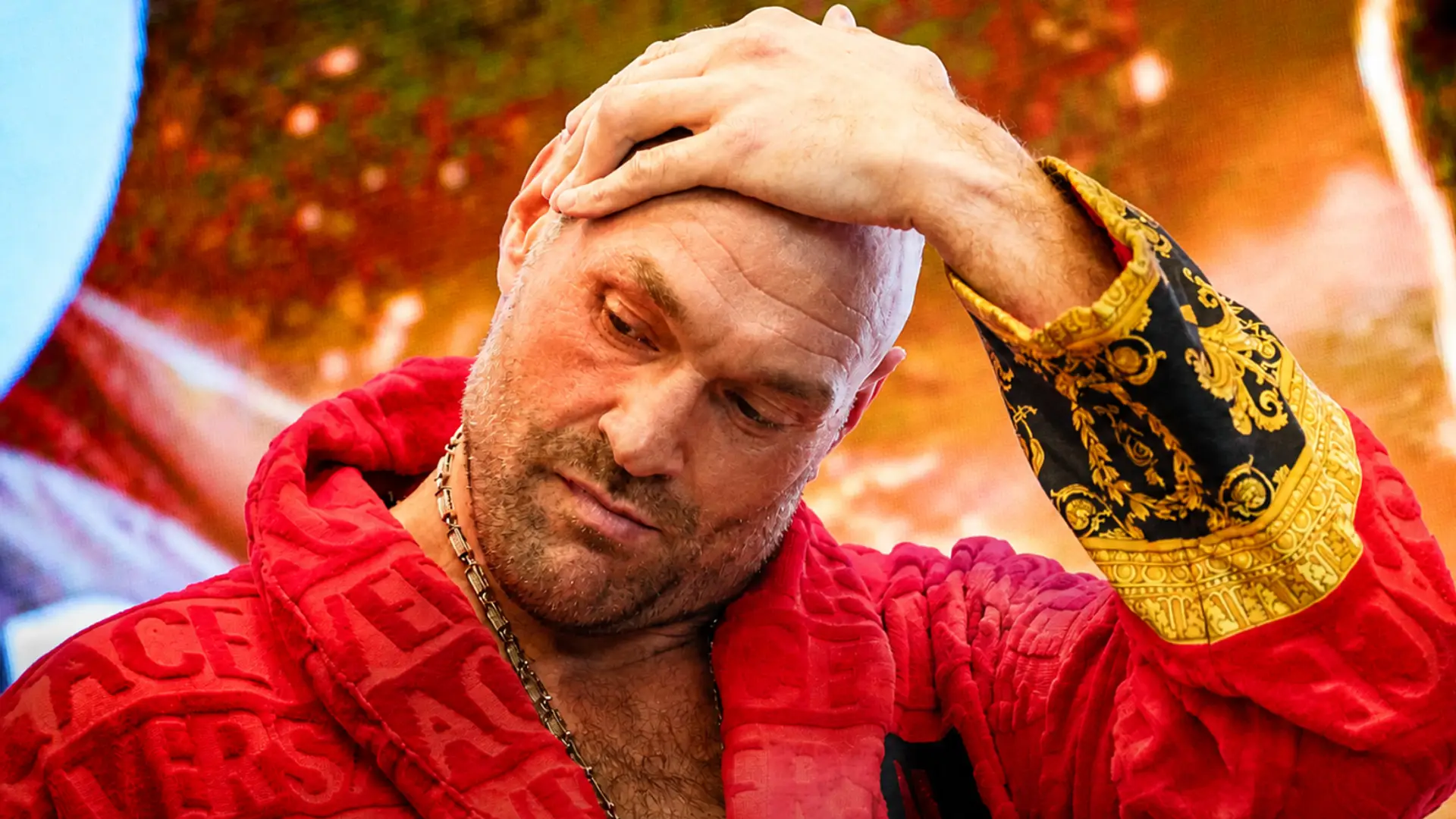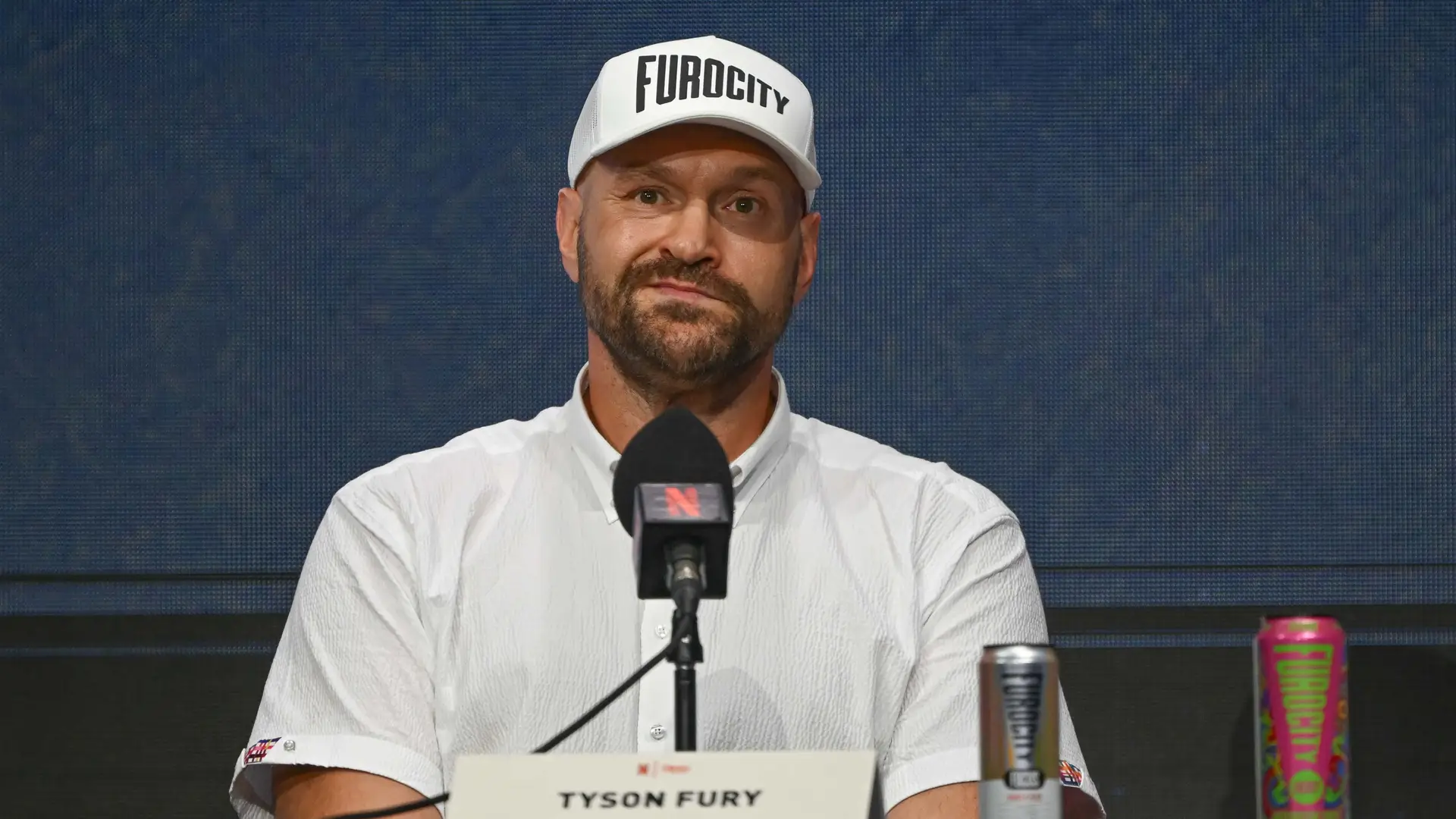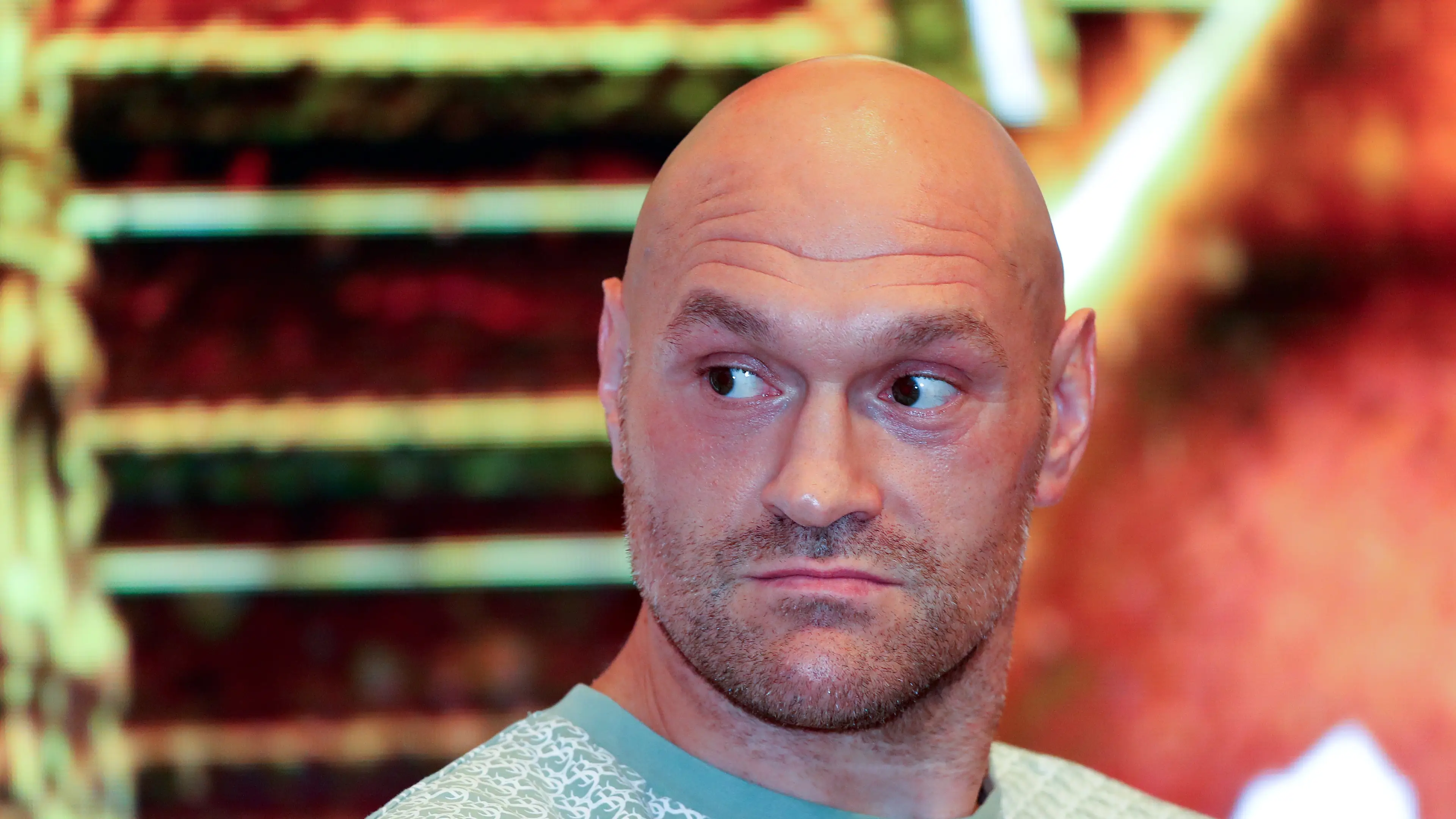
Netflix to remove scene in Tyson Fury documentary as Paris Fury issues statement

Netflix have confirmed that references to schizophrenia will be removed from their upcoming Tyson Fury documentary after "new information was shared by the family relating to Tyson's official mental health diagnosis."
Earlier this week, the British Boxing Board of Control (BBBofC) confirmed it was looking into Fury's comments about his schizophrenia diagnosis ahead of his bout against Anthony Joshua on December 11.
The comments were made in the original version of the documentary, in which Fury’s wife, Paris, claimed that the two-time world heavyweight champion had been described by doctors as a ‘mild schizophrenic’ in the year following his victory over Wladimir Klitschko in 2015.
Fury went on to describe hearing voices in his head that threatened to kill him and his family.
Advert
He also revealed that he feared being sectioned, likening his experience to living in the “pits of hell” before adding: “Words can't explain the darkness I was in.”
"The anxiety was crippling me," said Fury. "I just could not overcome it and that's when I went and saw the psychiatrist down in London. She asked me a gazillion questions, and I ticked all the boxes. Depression, anxiety, bipolar disorder."
Tyson Fury has never received a diagnosis of schizophrenia
Ahead of the documentary's release on Friday (November 26), Paris Fury, the wife of Tyson Fury, has now confirmed that the latter has never received a diagnosis of schizophrenia.
In a statement, Paris Fury said: "I want to clarify a statement I made in the original version of the Tyson Fury documentary.
"I recalled a conversation from many years ago when discussing Tyson's condition and I used the word 'schizophrenic'. While Tyson did show some symptoms associated with schizophrenia, he doesn't have this condition and has never received a diagnosis."
She added: "Mental health is complex, and it isn't always easy to find the right words, especially when you're living it with someone you love. I'm so proud of Tyson for really opening up in this documentary and want to say thank you for all the support we've received as a family."
A spokesperson for Netflix also confirmed that all references to schizophrenia will be removed from the 90-minute documentary.
The statement read: "Following new information shared by the family relating to Tyson's official mental health diagnosis, we have worked alongside them to update the documentary accordingly ahead of launch."
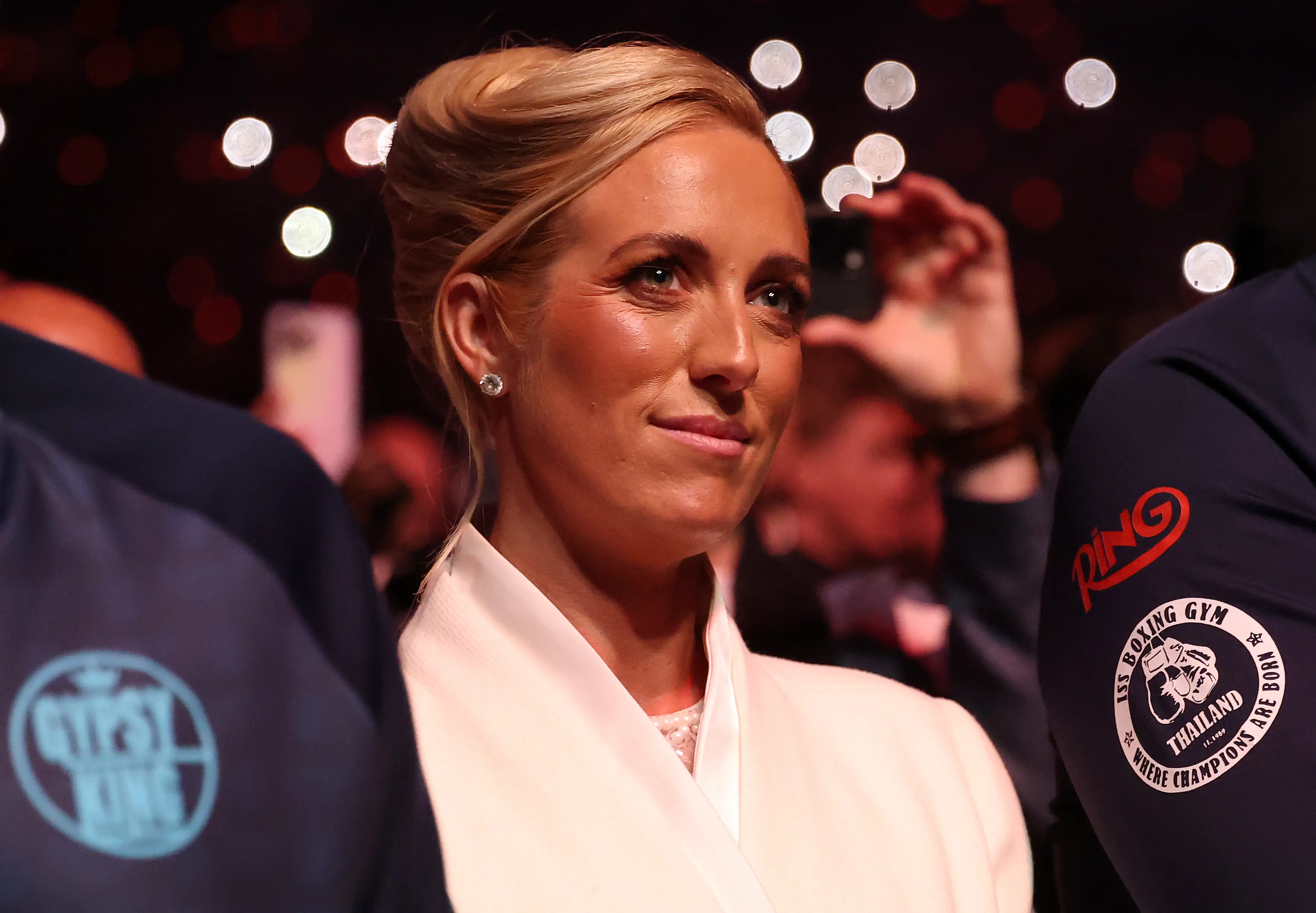
Tyson Fury was admitted to hospital with a suspected heart attack in June 2016.
After his world title win over Klitschko in November 2015, Fury suffered from depression. A few months later, in June 2016, he was taken to hospital with a suspected heart attack.
Fury experienced paranoid delusions during an anxiety attack. He recalled hearing the radio talking to him, and begging Paris to get him out of the hospital because "the Illuminati" wanted to get him.
"It got that bad I was hearing voices in my mind," he said. "I wouldn't be able to sit and have a conversation because I'd be hearing stuff in my mind. I didn't know where to turn and no-one knew what to do. I really needed help, or check into rehab or something."
"I never got a break from it for years," added Fury. "I wanted to be what I thought was normal again."
Fury was able to pick himself up and return to the ring after nearly three years out. He went on to become a two-time world heavyweight champion after beating Deontay Wilder.
He later engaged in two fights with Oleksandr Usyk, who remains unbeaten. On December 11, Fury is scheduled to face long-time British rival Anthony Joshua at the Principality Stadium in Cardiff.
Topics: Tyson Fury, Boxing
 Jack Kenmare