Global Warming Could Stop Men Breaking Marathon Record but Not Women

Global warming looks set to have a major impact on the future of marathon running, with research suggesting that women may be better equipped to deal with the change.
Marathon runners are among the fittest athletes on the planet, with elites running more than 100 miles each week.
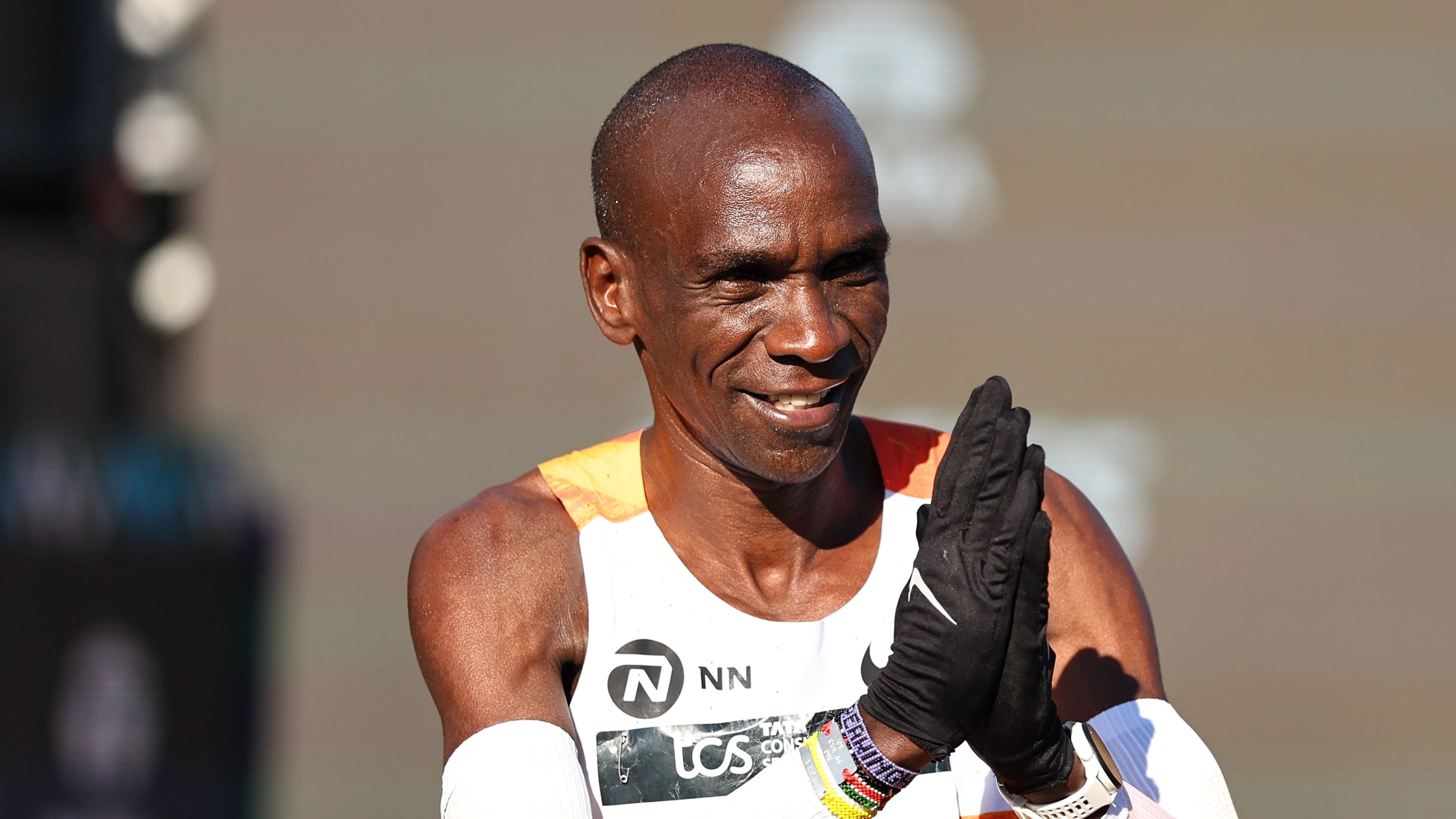
Eliud Kipchoge, who is widely regarded as the greatest marathon runner in history, is known to run in excess of 200km a week during his peak training blocks.
The Kenyan wrote his name into the history books in 2019, when he became the first man ever to run a marathon in under two hours.
Advert
Although it was an astonishing achievement, it did not count as an official world record due to the use of pacemakers and the event not being a proper race.
The official mark is instead held by Kelvin Kiptum, who won the 2023 Chicago Marathon in an astonishing time of two hours and 35 seconds.
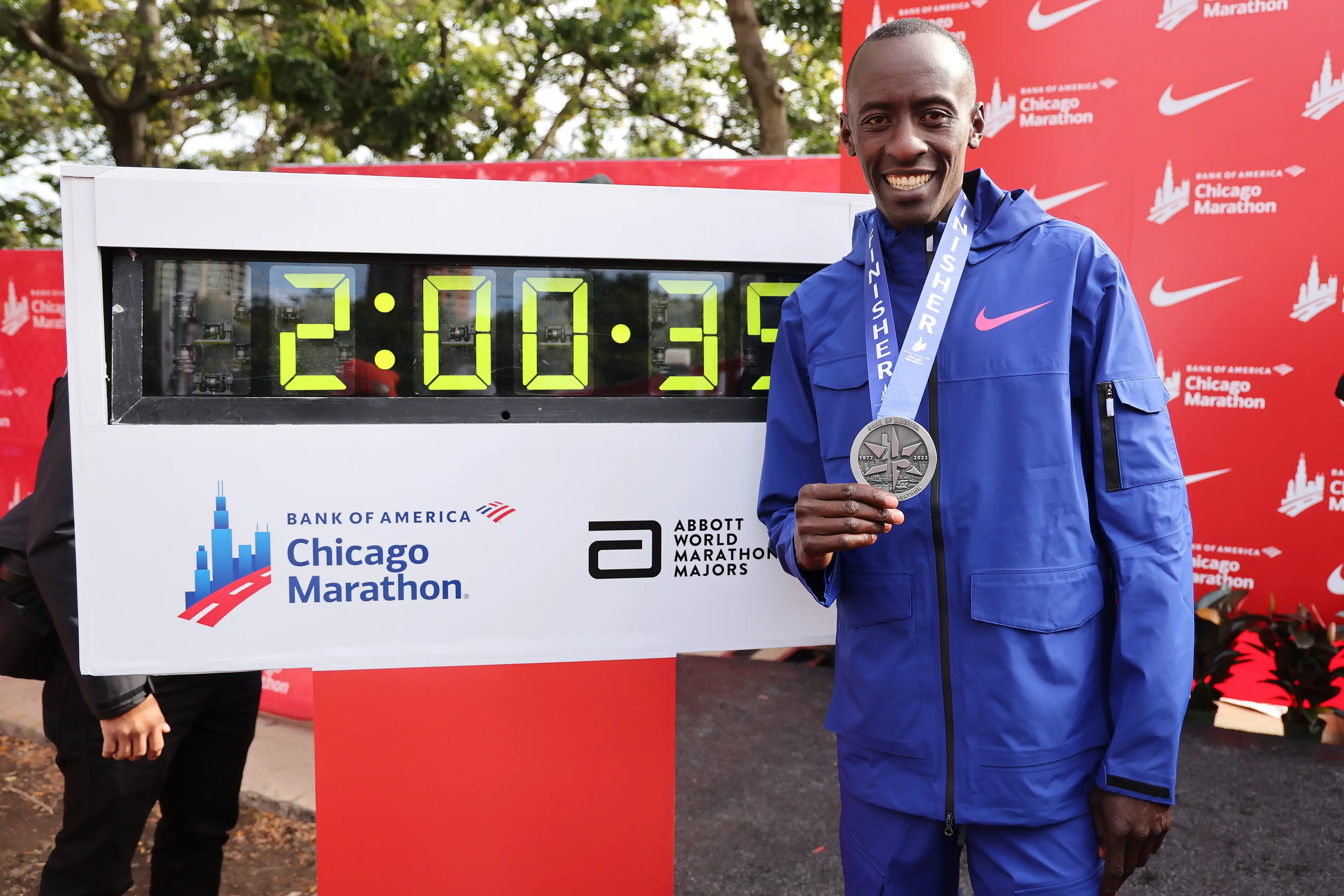
Kiptum and his coach were tragically killed in a car crash in February 2024.
With global temperatures continuing to rise, his record may remain safe for several years.
According to Climate Central, there is a 'sweet spot' in temperature for marathon running, in which athletes perform at their best.
But as the planet continues to warm, those ideal conditions are becoming increasingly rare.
The study analysed 221 global races and found that 190 of them will see a decrease in the likelihood of optimal marathon running conditions.
However, rising temperatures are not expected to impact elite female runners as significantly.
Climate Central claims that women are 'uniquely resilient' and able to maintain optimal performance at higher temperatures for longer periods than elite men.

Despite their greater resilience, female runners will also start to feel the impact of rising temperatures.
One proposed solution to combat the heat is to start elite races earlier in the day, a change that would benefit male athletes more than female ones.
The current women's world record holder is Kenya's Ruth Chepngetich, who ran a time of two hours, nine minutes and 56 seconds at last year's Chicago Marathon.
It remains the only time a woman has completed a marathon in under two hours and 10 minutes.
Although Chepngetich was handed a three-year ban for doping violations in October, her achievements before March 2025 still stand, including that world record.
The Kenyan was provisionally suspended in July after testing positive for a banned diuretic called hydrochlorothiazide (HCTZ).
The Athletics Integrity Unit (AIU) initially pushed for a four-year ban, but it was reduced to three years after she admitted to the violations.
Topics: Athletics
 James Taylor