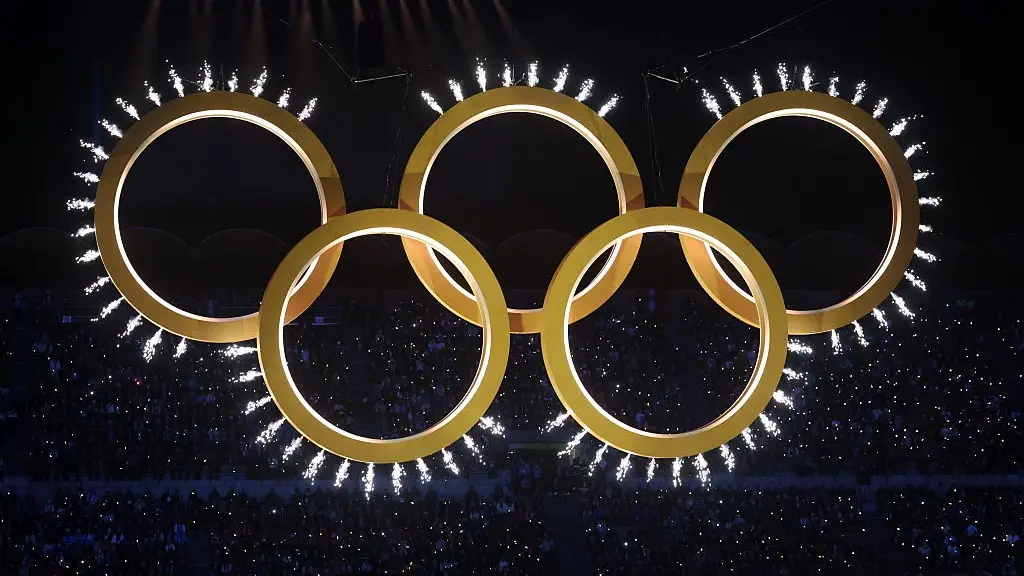
IOC issues statement on athlete behaviour before Winter Olympics closing ceremony

The International Olympic Committee (IOC) has issued a statement in response to questions about athlete behaviour before Sunday’s Milan-Cortina Winter Olympic closing ceremony.
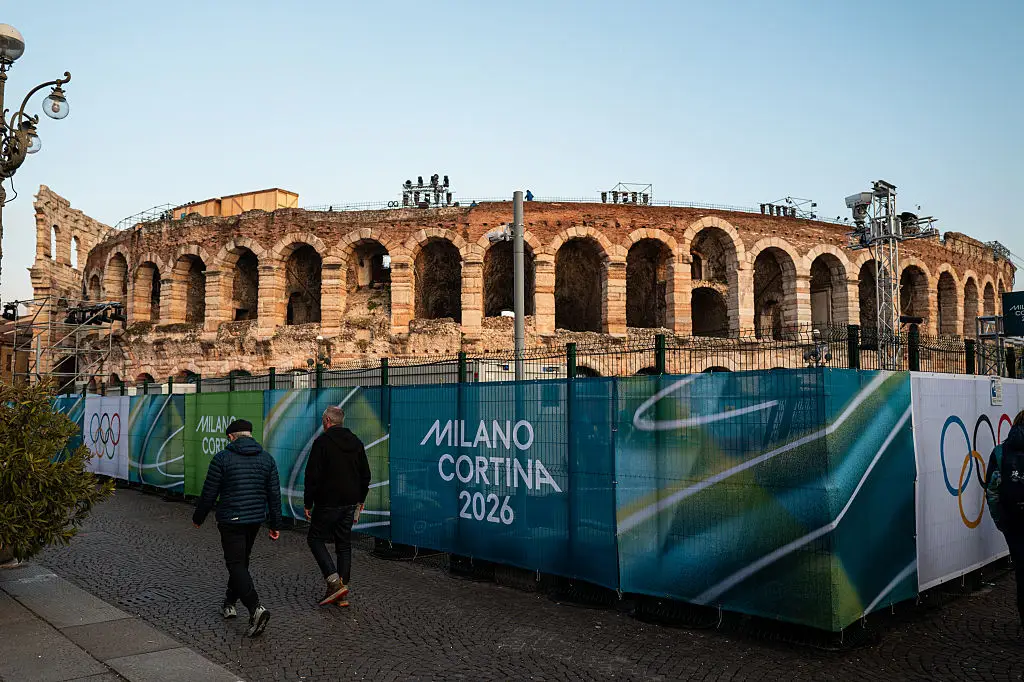
On Sunday (22 February), the 2026 Winter Olympic Games will be brought to a close in Verona, Italy.
The 2026 event, like most Olympics, has produced both weird and wonderful moments, which have been enjoyed by fans around the globe.
Whether it was stories about a shortage of condoms in the Olympic Village or feuds between curlers, the Games have been eventful, to say the least.
Advert
Meanwhile, as expected, politics — as it often does — has also featured heavily throughout Milan-Cortina, with the Ukrainian team forced to change their helmet, which depicted fellow athletes who had been killed since Russia’s 2022 invasion of the Eastern European nation.
Despite this, Vladyslav Heraskevych refused to change his helmet and was disqualified from the skeleton competition.
Fellow Ukrainian Olena Smaha later showed the palm of her hand after a luge event, which had the words “remembrance is not a violation” emblazoned on it.
There were suggestions that this act may have resulted in an IOC punishment as Rule 50 of the Olympic Charter states that “No kind of demonstration or political, religious or racial propaganda is permitted in any Olympic sites, venues or other areas".
However, when contacted about a potential sanction by SPORTbible, the IOC did not respond.
But the body did respond when asked about the rules on whether athletes could express political opinions during the upcoming closing ceremony.
When asked to provide information on what is expected of both athletes and fans at the event, the IOC referred to the Athlete Expression Guide, which also cites Rule 50 of the Olympic Charter.
The guide does, however, say that participants do have the opportunity to express views in the mixed zones when speaking to the media, during interviews, team meetings or through social media channels.
Athletes are not permitted to express views in official ceremonies — including medal, opening and closing ceremonies — nor on the field of play or inside the Olympic Village.
“There is a need to respect other athletes living in the Olympic Village and their moment of glory at the Olympic Games,” an IOC response to SPORTbible read.
“Athletes’ expressions on the field of play during competitions or official ceremonies may distract from the celebration of athletes’ sporting performances.”
Topics: Olympics
 Luke Davies