Four Olympians Banned Years After Games After 'Re-Analysis'

Four Olympic athletes have been provisionally suspended after a re-analysis took place.
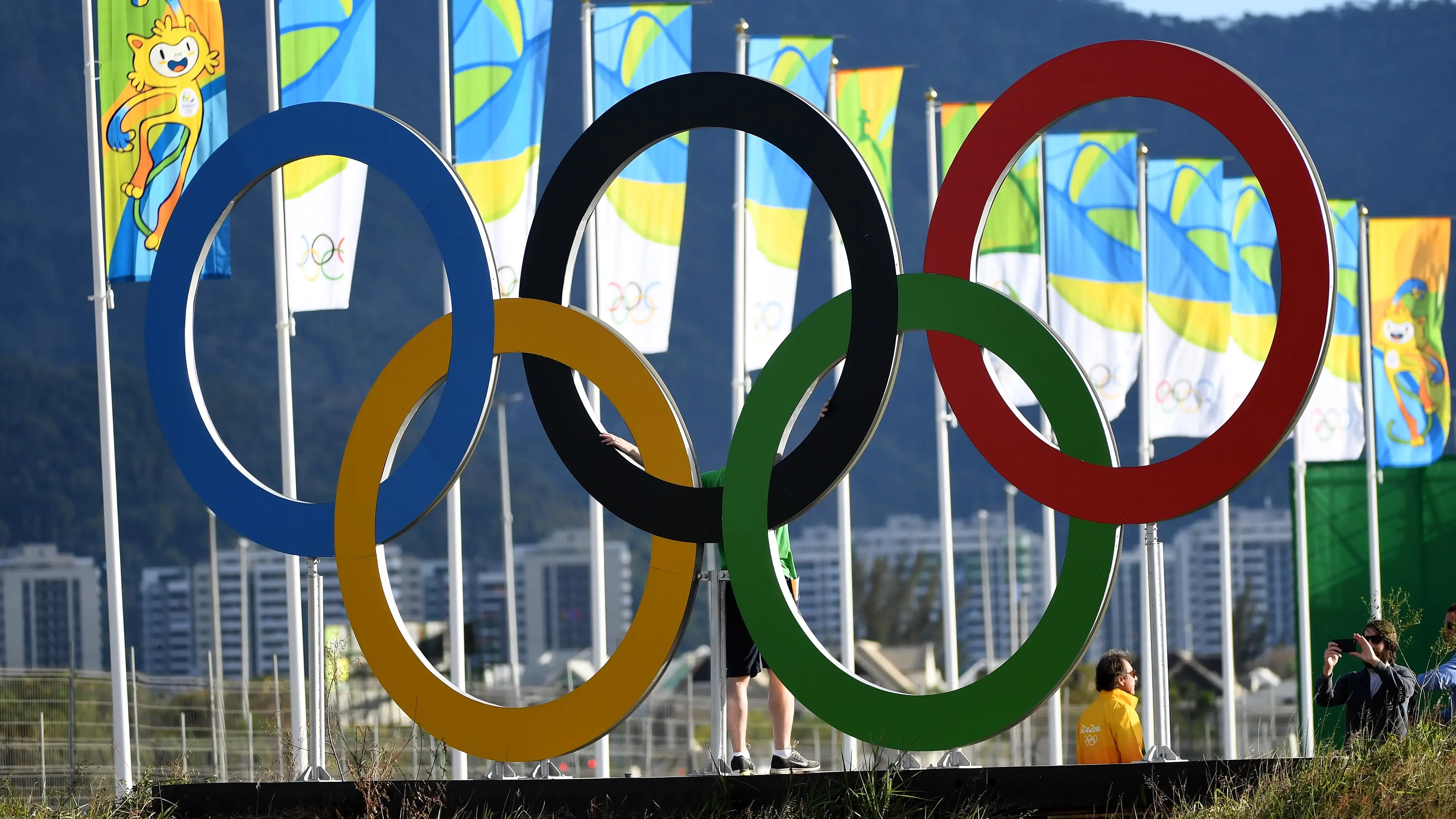
The athletes in question took part in the 2016 Olympic Games, which were held in Rio de Janeiro, Brazil.
As per Fitness Volt, samples that were originally stored have been 're-analysed with the help of new techniques and technology'.
Now, four weightlifters are set to be in a spot of bother as their samples came back positive, which indicates the presence of banned substances.
Advert
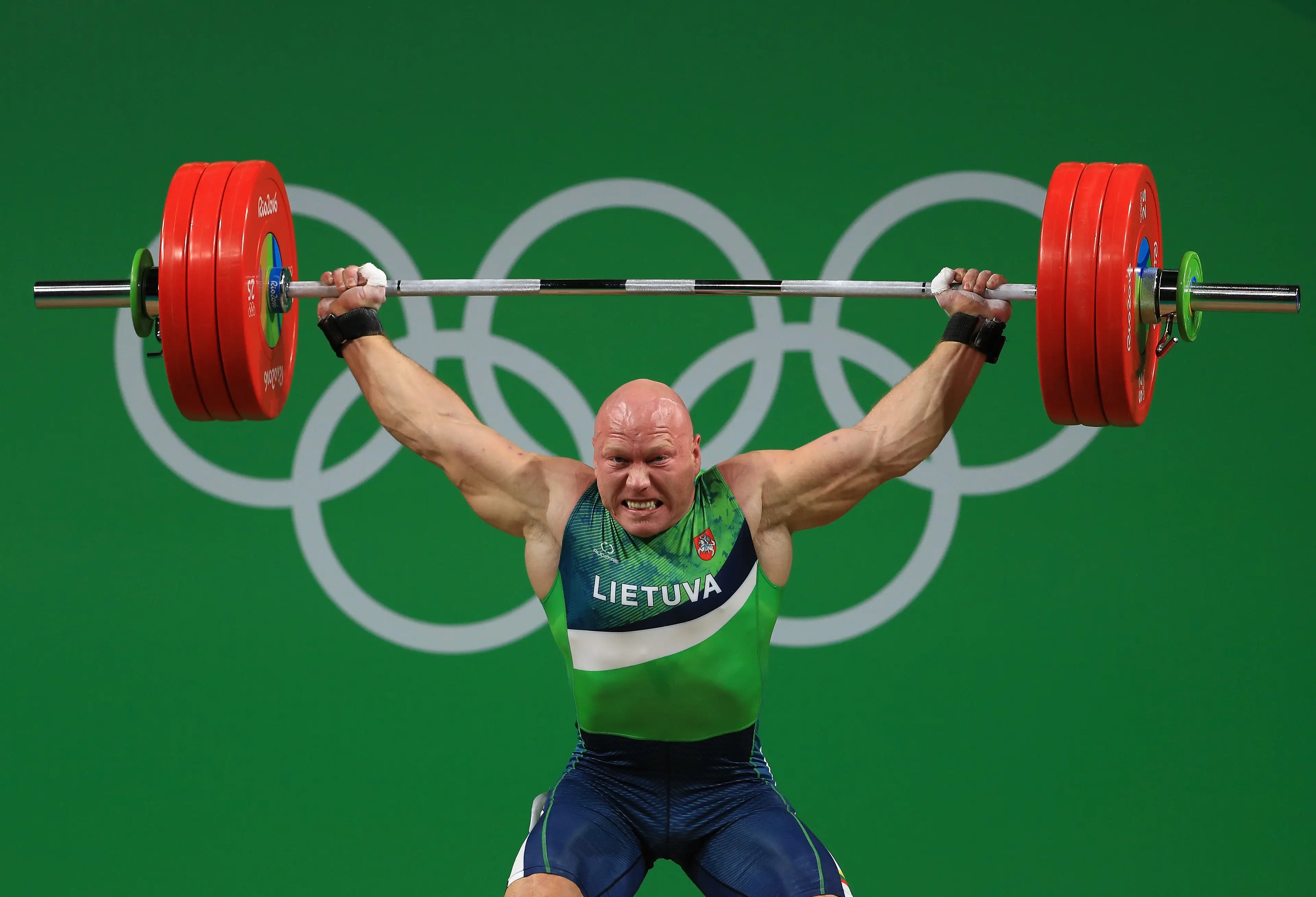
The International Testing Agency (ITA) stated that Lithuanian Aurimas Didzbalis, Uzbek Ivan Efremov, Ahmed Saad and Esraa Elsayed Rashed Elsayed Ahmed of Egypt all returned adverse analytical findings (AAF) for methandienone (danabol) metabolite.
A statement from the ITA read: "The samples were first analysed during the Olympic Games Rio 2016 and were reported as negative with the detection methods applied by the WADA-accredited laboratory available at the time. The majority of these positive re-analysis results are mainly due to technical advances, including the development of new detection methods and improvements in analytical sensitivity for the detection of new steroid metabolites, which were not available at the time of the initial analysis.
"The athletes will also be provisionally suspended by their respective international federation pending the results management proceedings of their cases in accordance with the respective anti-doping regulations. The matter will thereafter be referred by the ITA to the Anti-Doping Division of the Court of Arbitration for Sport (CAS ADD) for adjudication under the IOC Anti-Doping Rules."
It has been reported that the above-mentioned results are yet to be definitive, as the athletes are able to request their 'B-Sample' to be tested. The athletes in question also have the chance to explain why their samples came back positive.
ITA stated: "The athletes have been informed of their respective cases. They each have the right to request the analysis of their B-sample. If the B-sample analysis is requested and confirms the result of the A-sample, or if the B-sample analysis is not requested, the cases will proceed as a confirmed anti-doping rule violation."
Topics: Olympics
 Marcus Chan