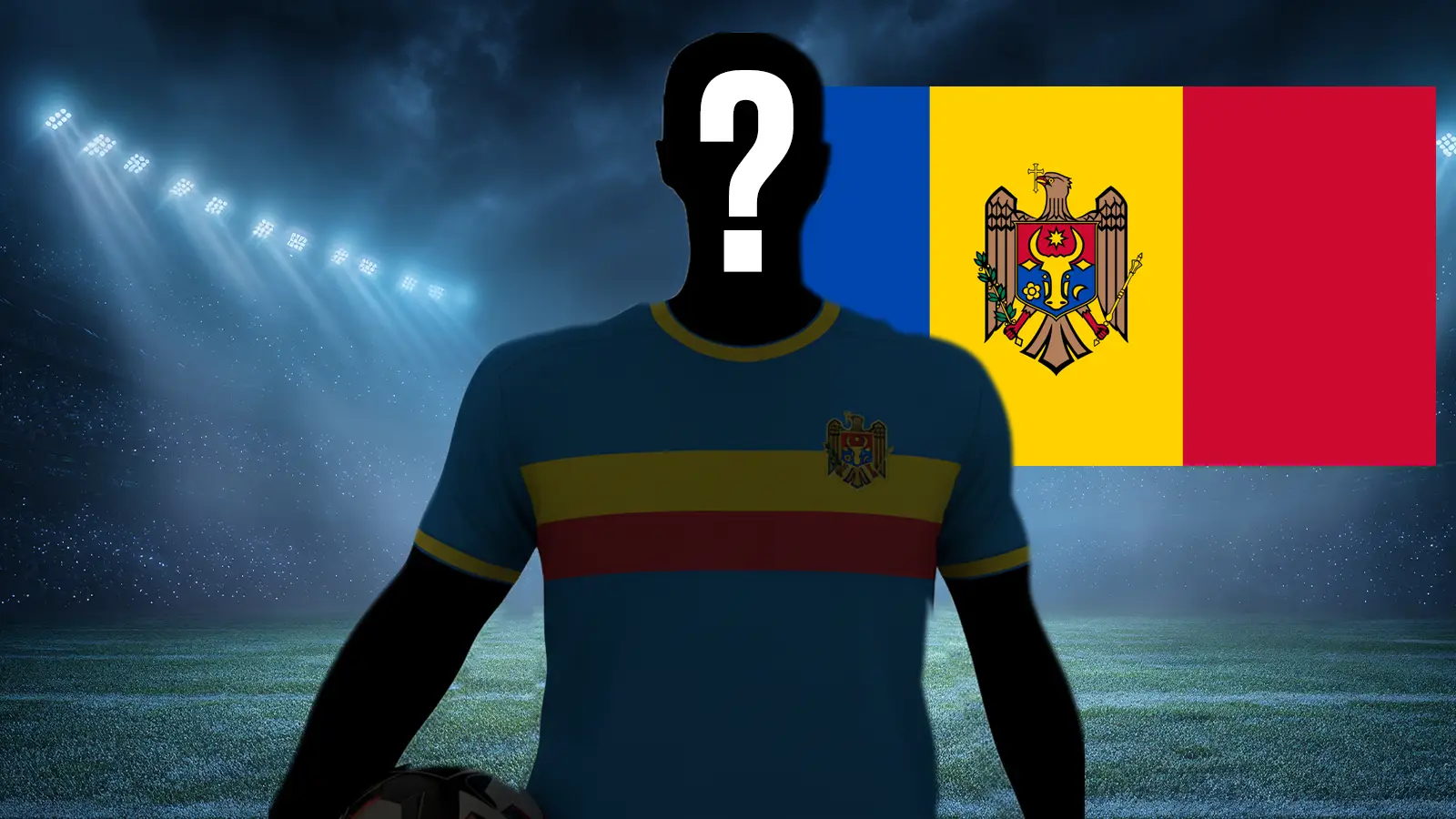
Wonderkid named as one of world's 50 hottest young footballing talents didn't even exist

Over the years there have been many different versions of the world's top footballing prospects, with journalists tipping talents for stardom.
Often a mixed bag as for every Martin Odegaard there is an Allen Halilovic who did not realise his full potential, the lists often make for excellent reading years on when you are able to look back on what happened to those seemingly destined to make it big.
But one edition put together by The Times many years back featured a player who actually didn't even exist and the story is quite something.
Introducing Masal Bugduv, an exciting 16-year-old Moldovan starlet who ended up getting an entry in at No.30 on the newspaper's list of the "top 50 rising stars" in football.
Advert
They said that he plied his trade with the brilliantly named FC Olimpia Balti and even spoke about interest from Arsenal.
The description read: "Moldova’s finest, the 16-year-old attacker has been strongly linked with a move to Arsenal, work permit permitting. And he’s been linked with plenty of other top clubs as well."
A fake Wikipedia page which lasted from July 2008 to January 2009 was used to add to the hoax, as were mentions of his name in the Moldovan national team section ahead of a World Cup qualifier.
He was also given an assist on his debut.The non-existent player managed to garner coverage from Goal.com, When Saturday Comes, the Associated Press and other outlets.
The more it spread, the more believable it became. There were even fake quotes from his agent, Sergei Yulikov, which circulated, as he was purported to have said: "I have no doubt that he has the ability of Fabregas and Nasri, but he needs a stage to perform and prove this."
Liverpool's name got throw into the interested clubs and then there was the achievement of Bugduv's name being mentioned on Sky Sports and Premier League managers Mark Hughes and Harry Redknapp fielded questions in their press conferences.

Things started to unravel when it emerged the user behind the Wikipedia ambushing was called Masalbugduv - the name of the made-up player. People also did some digging and could not find any record of Bugduv anywhere and no footage of him playing.
Eventually, as is often the case, the hoax did come to an end and The Times removed him from their wonderkids with a clarification, while Goal published an apology for their error in hyping up the fictional star after going of the back off information from AP.
For years the mystery was not solved but in 2017, Irish journalist Declan Varley claimed ownership of the genius hoax.
He came up with it as a social experiment to show just how easy it was to create a transfer rumour which did the rounds after growing disillusioned with the rumour mill.
He told The New York Times that the name was similar to the phonetic spelling of M’asal Beag Dubh, which translates to 'My Little Black Donkey' and comes from a story from ancient Irish writer Padraic O Conaire about a dishonest salesman who tries to flog a lazy donkey from a large amount of money.
He told the outlet that "people will believe what they want to believe" and added that Bugduv got 106 million hits on Google and is used as a case study in digital journalism in US universities.
To commemorate the story, a Moldova shirt with Bugduv on the back is on the wall at Coyne’s Gastropub in Ireland. It may be the only in the world.
Topics: Arsenal
 Josh Lawless