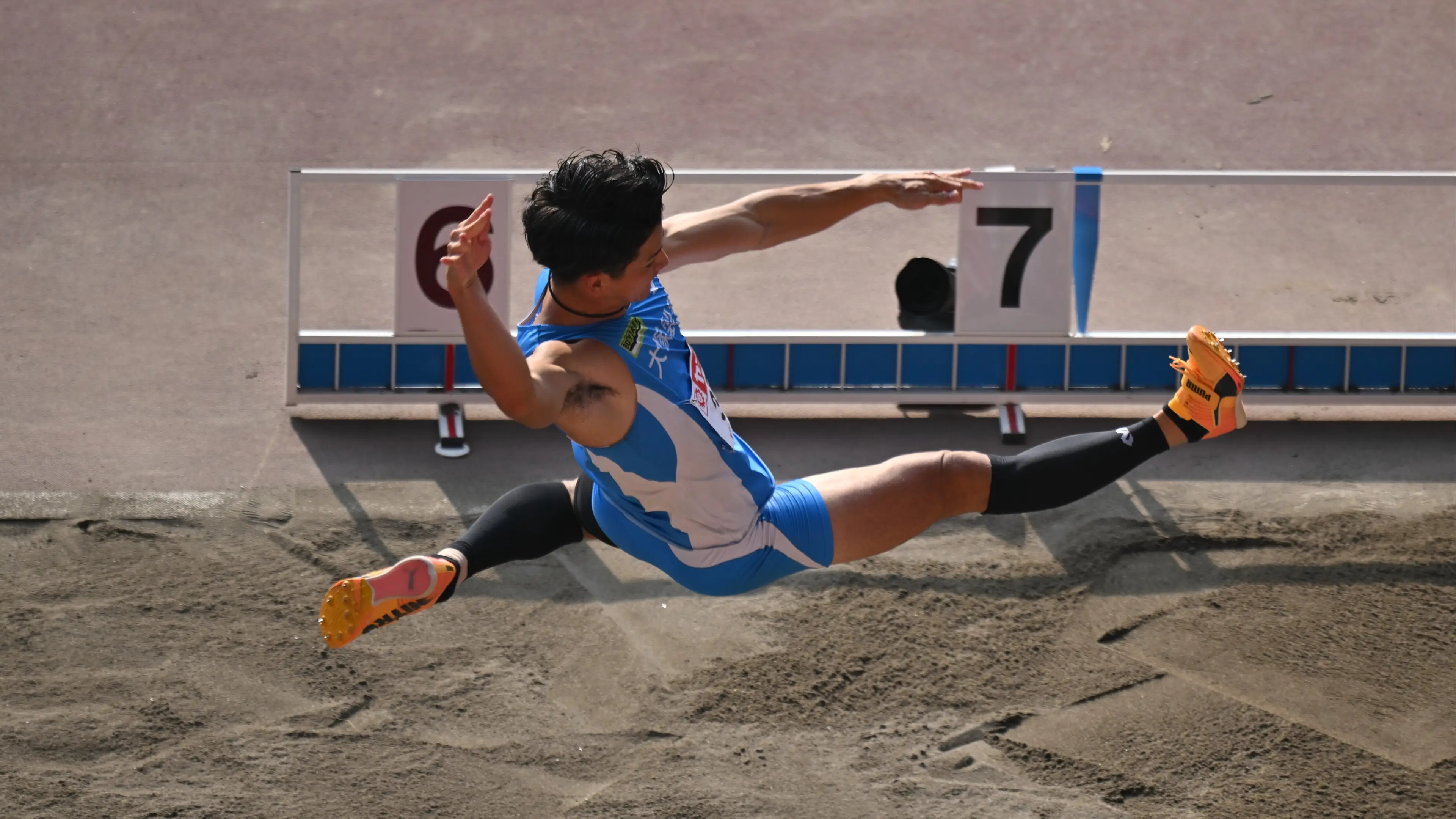
World Athletics Make Decision on Long Jump Experiment That Was Called 'A Joke'

World Athletics has abandoned plans to introduce a controversial change to the long jump event after it received widespread criticism from athletes, including Olympic champion Miltiadis Tentoglou.
After winning the world indoor title in March last year, a frustrated Tentoglou threatened to quit long jump if World Athletics decided to replace the traditional wooden board with a take-off zone.
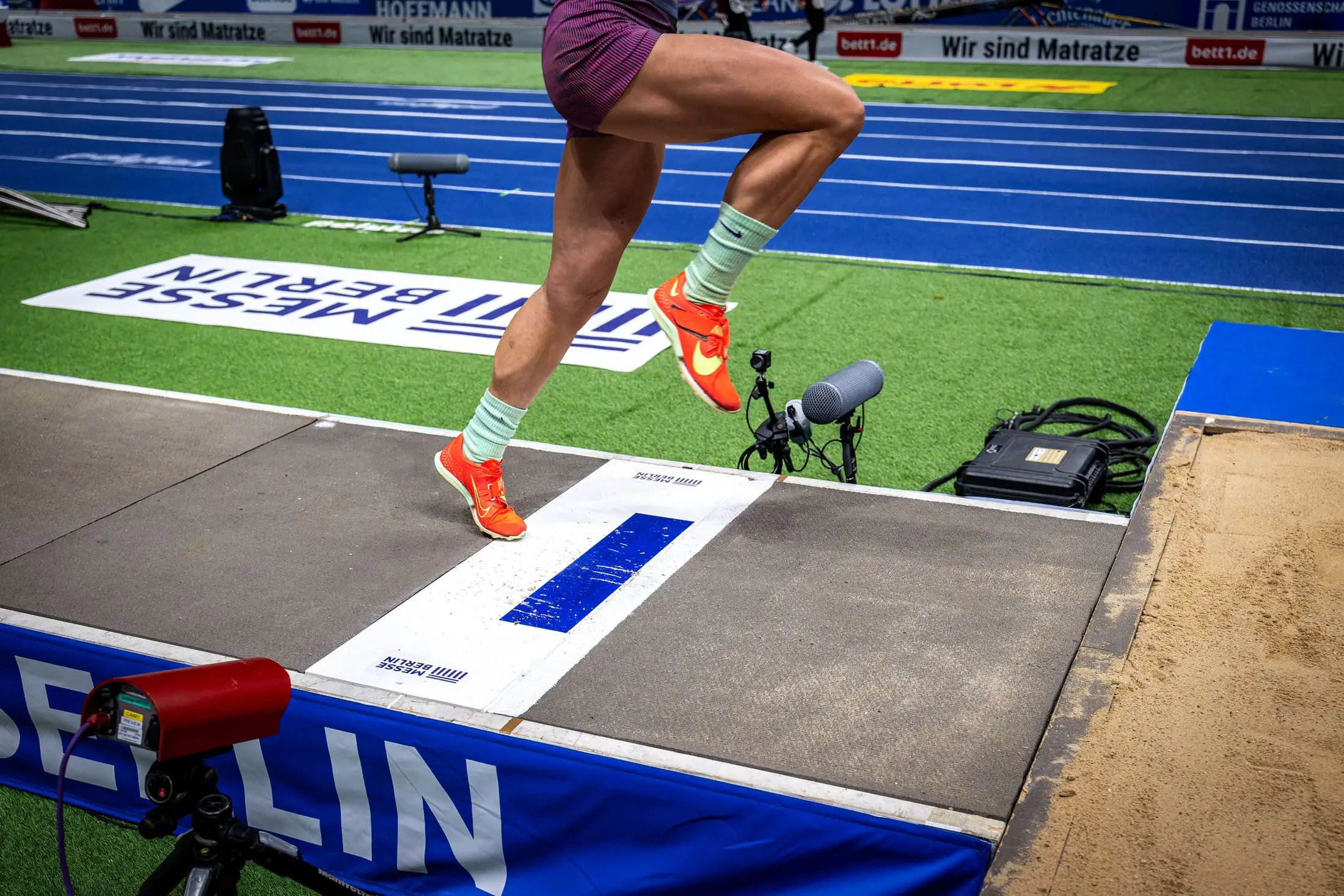
A take-off zone, which is 40 centimetres long, was developed to reduce the number of invalid jumps and enhance excitement and fairness for the athletes, while also providing a more appealing spectacle for spectators.
Traditionally, the jump distance is measured from the take-off board to the exact point from the sand to the board.
Advert
But under the proposed change, the jump is determined from where the jumper’s front foot takes off within the zone, to where they land in the sandpit. Tentoglou described the idea as "dog s---".
"I consider long jump to be one of the hardest events because of the board and the accuracy you need," Tentoglou told reporters last year. "You need to run like a sprinter, to hit the board perfectly -- this is the difficult part of the long jump. The jump itself is easy. The hard part is the run-up."
"If they want to remove this, the long jump would be the easiest event," he added. "If that happens, I will not do long jump anymore. I will be a triple jumper."
Back in February, the long jump take-off zone was tested for the first time at the World Athletics Indoor Tour and, according to World Athletics, early feedback indicated that the take-off zone test had "a clear impact on competition flow and spectator experience."
In fact, fouls dropped to 13 per cent from a historical average of 32 per cent.
But on Wednesday afternoon, after widespread criticism from athletes past and present – including former Olympic champion Carl Lewis, who called it an “April Fool’s joke” – World Athletics pulled the plug on its proposal.
World Athletics’ chief executive Jon Ridgeon confirmed the news. “The reality is the athletes do not want to embrace it,” he said, as per The Guardian. “So we’re not going to do it. You ultimately don’t go to war with your most important group of people.
“Even though I would argue we identified a problem, and found a viable solution, if the athletes don’t want it, fine, we drop it. But I don’t regret looking at that. I think that’s our job as the governing body.”
Ridgeon said World Athletics had no regrets for attempting to enhance the event. “We would be accused of being asleep at the wheel if we didn’t look for weaknesses," he said.
“The long jump’s a really exciting and vibrant part of our sport. But it’s our job to push the boundaries and say, ‘can we make something that’s already good even better?’ That’s what we try to do.
"Where I was slightly frustrated is that everyone just jumped on that one thing when we were looking at four or five things to improve and speed up the long jump.
“They include simple things like getting the officials to rake the pit quicker. We’re also working with Seiko to create a concept called instant results. When you land in a sandpit at the moment it might take up to 20 seconds to get the result. We’re working on less than five seconds.”
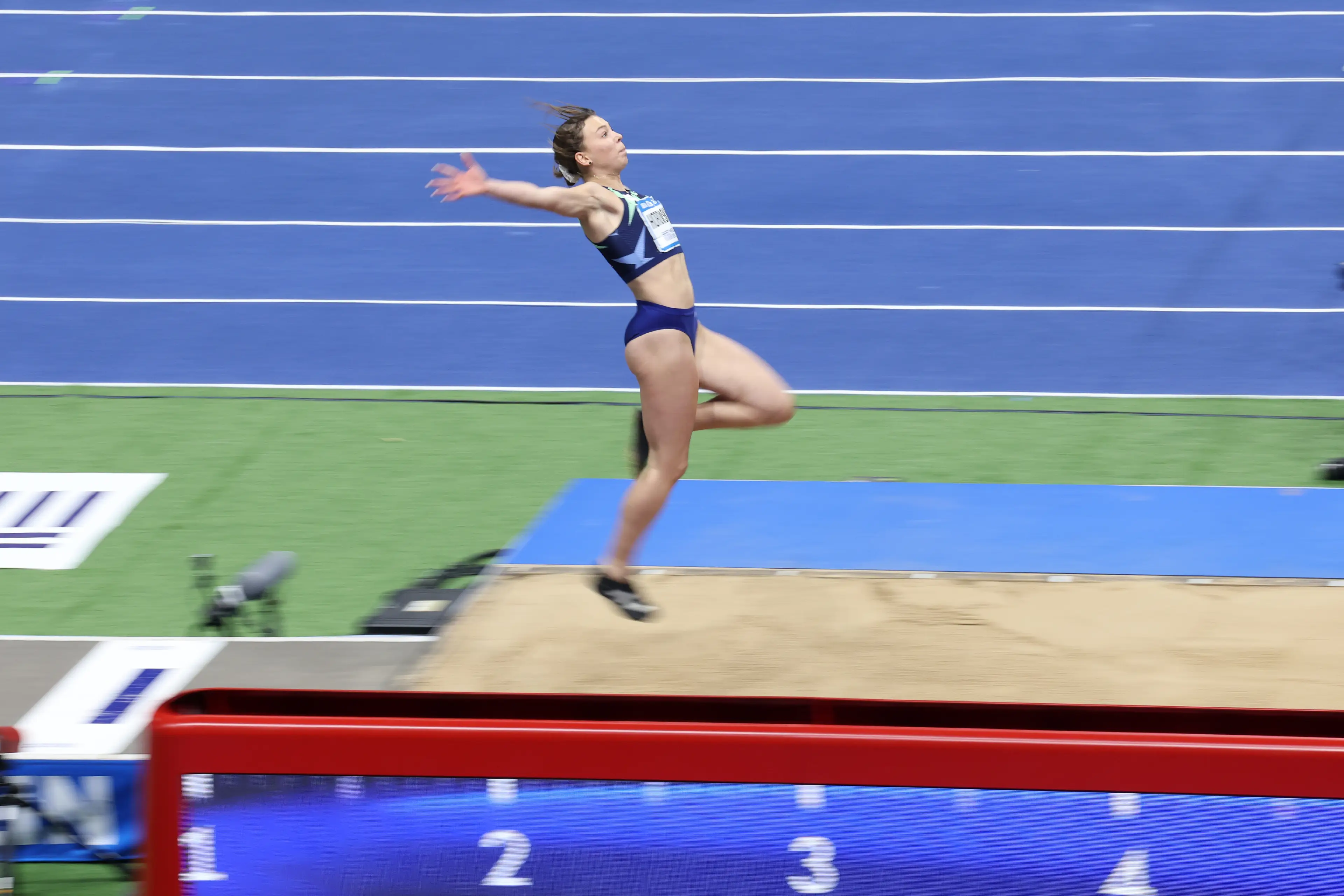
As mentioned by Ridgeon, the take-off zone is just one in a series of innovations that have been tested as part of World Athletics’ strategy.
Other innovations at both the macro and micro level of the sport include the launch of the World Athletics Ultimate Championship in 2026, as well as the previously mentioned instant results and new events such as the mixed 4x100m relay and steeplechase mile.
 Jack Kenmare