US Star Set To Win Olympic Medal 16 Years On From 'Dirtiest Race in History'

A former US athlete is set to win an Olympic medal - 16 years after the race originally took place.
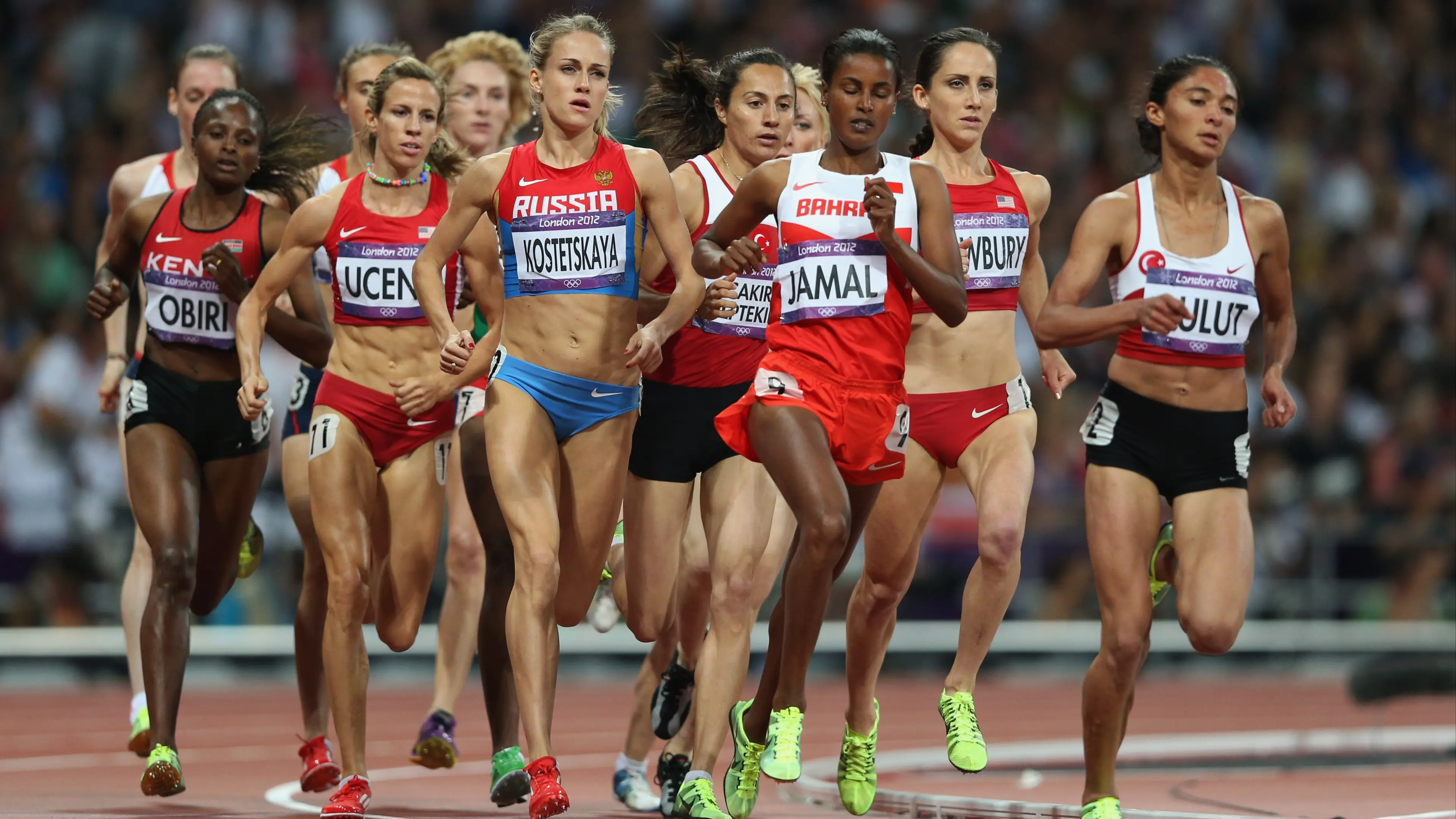
At London 2012, the women's 1500 metres race was held between 13 competitors, with one athlete failing to finish after a fall.
The race was won by Turkey's Asli Cakir Alptekin, who ran a time of 4 minutes, 10.23 seconds.
She finished just 0.17 seconds ahead of her compatriot, Gamze Bulut, with Bahrain's Maryam Yusuf Jamal placing in third.
Advert
Alptekin had returned to track after a two-year ban for a positive drugs test during her time in junior racing.
In 2013, the year after her maiden Olympic title, it was reported that Alptekin had failed another drugs test.
The Turkish star subsequently reach a settlement with the IAAF (now World Athletics) in 2015.
As part of the settlement, Alptekin agreed to give up her title and serve an eight-year ban for blood doping offences.
That moved Bulut up into the gold medal spot - but only for two years.
She was stripped of her Olympic and European Championship medals in 2017 for what the IAAF referred to as an 'athlete biological passport case'.
The World Anti-Doping Agency (WADA)'s website describes an ABP as an avenue to 'monitor selected biological variables over time that indirectly reveal the effects of doping'.
Jamal therefore subsequently received her gold medal, while Russia's Tatyana Tomashova was upgraded to silver.
But Tomashova was given a 10-year ban from athletics in 2024 based on historical data and evidence relating to doping, and all of her results from June 2012 to January 2015 were wiped from the record books.
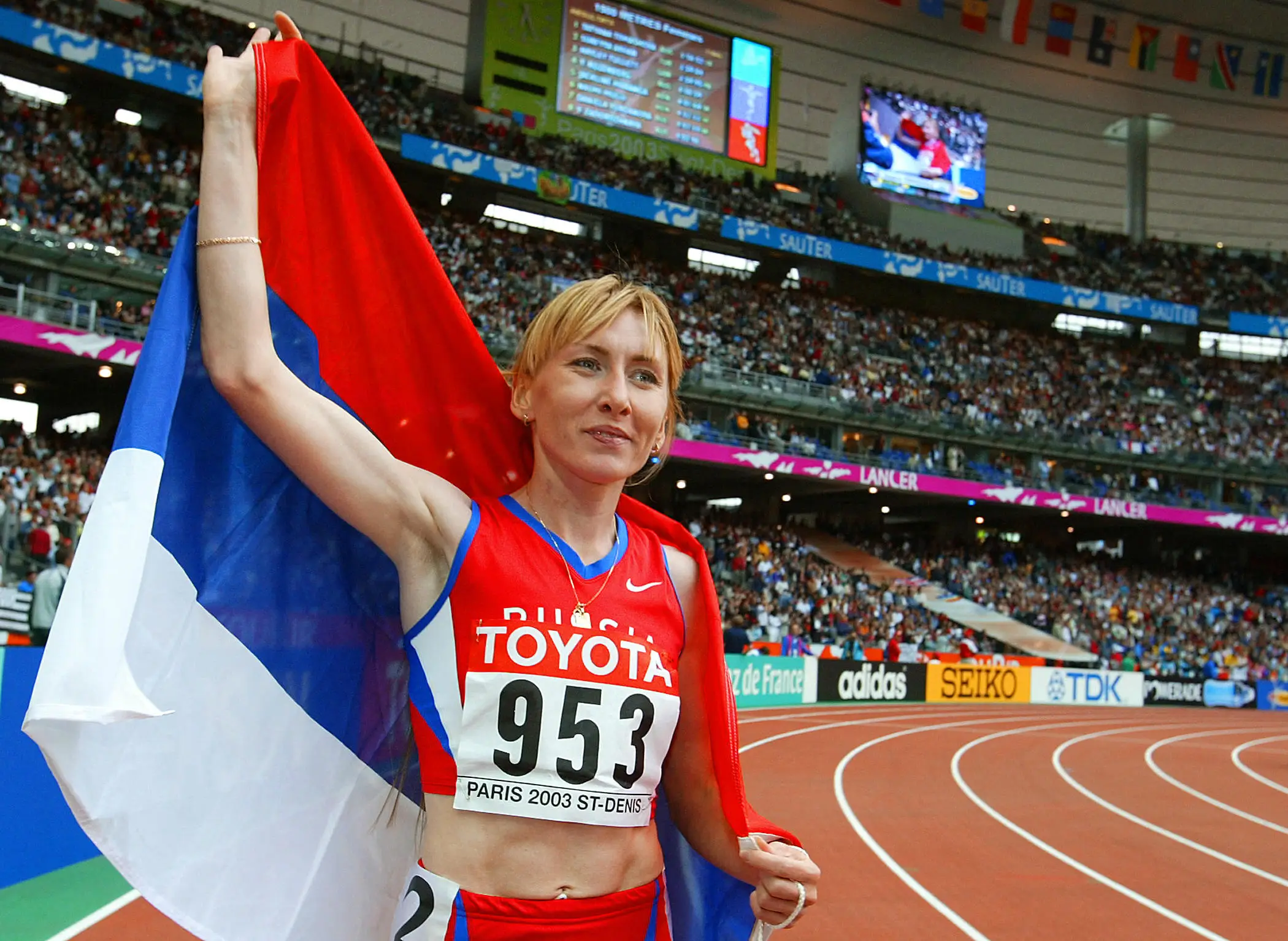
Tomashova's ban means that Ethiopia's Abewa Aregawi - who herself had a doping suspension lifted in 2016 due to lack of evidence - now has the silver medal from the race.
In third place is United States runner Shannon Rowbury, who finished sixth on the day in London.
Rowbury, now 41, will be awarded her bronze medal at the Los Angeles Olympics in 2028 - 16 years on from the original race.
She is one of five women who have launched pioneering legal action against both World Athletics and WADA, as per The Times.
All five athletes initially missed out on medals in their London 2012 events, but were later upgraded following various disqualifications.
Rowbury told The CITIUS Mag: "Going through the process of medal reallocation - stating with you forwarding a screenshot of the CAS ruling to my former agent, Ricky Simms, and finding out via WhatsApp - it became very apparent, as the process unfolded, that there was no process and that nobody was owning that human component of the athlete who had been robbed of their Olympic dreams.
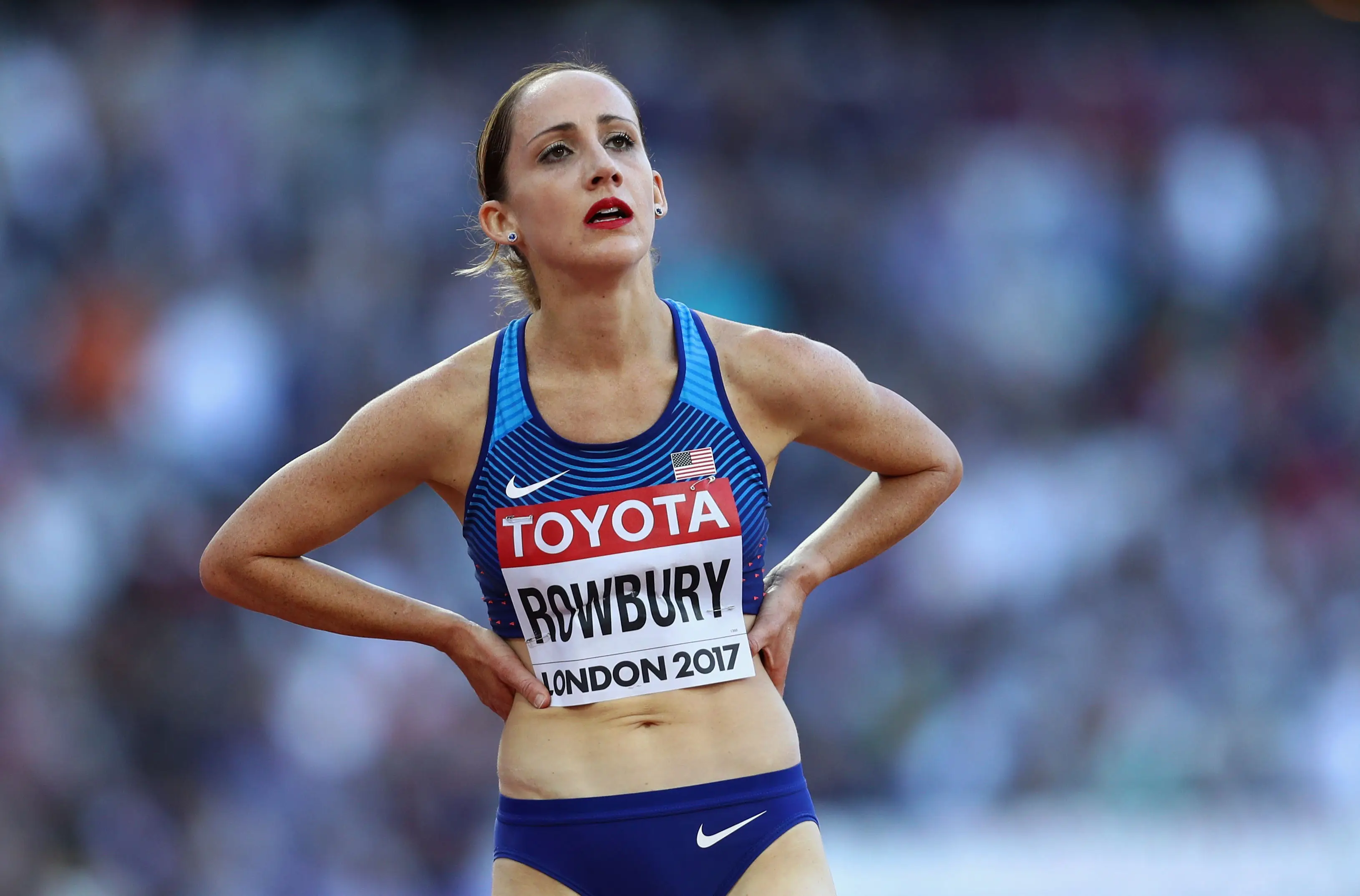
"And then, as I dug deeper, understanding that it wasn't just the process, but the backstory that led to the robbing of those moments and the corruption within these organisations that actually facilitated, in my case, what became known as the 'dirtiest race in Olympic history'.
"I think all of us first just relied on each other for emotional and moral support. But as we talked further and as we understood the odds were stacked against athletes and the need for reform in the process, we committed to trying to seek reform where we could.
"And so we filed a case with the Court of Arbitration for Sport in December against the World Anti-Doping Agency and World Athletics."
Rowbury told The Times that her bronze medal bonus from Nike would have stood at around $50,000, but Nike does not pay out for retrospective medals.
"I asked about the medal bonus and they said they have no responsibility, which is ironic because they were also sponsors of the athletes who were disqualified - and Nike contracts say that if you're caught doping they can claim the money back."
SPORTbible have contacted World Athletics for comment.
 Ryan Smart