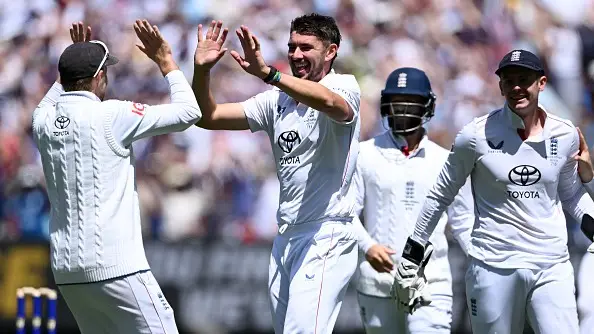
England Can Achieve Incredible Ashes Record That's Happened Once In 181 Years

England can achieve a remarkable Ashes record on day two of the fourth Test in Melbourne that has happened only once in cricket history.
England entered the Boxing Day Test already 3-0 down in the Ashes series and with all hopes of regaining the urn having disappeared.
But day one at the Melbourne Cricket Ground started on a positive note, with Australia bundled out for just 152 on a pitch that offered plenty for the bowlers.
Having won the toss and elected to bowl first, England captain Ben Stokes would have been hoping that his side could push on and record a challenging first innings total themselves to put pressure on the hosts.
Advert
But that didn't happen, with England losing their first four wickets for just 16 runs as Mitchell Starc and Michael Neser ran riot.
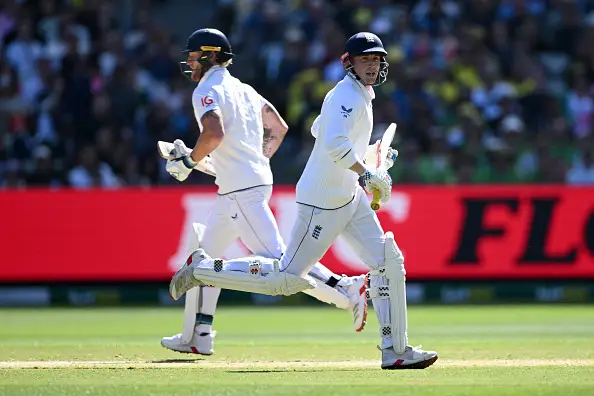
Harry Brook top-scored with a counter-attacking 41 but England could only manage 110 before being bowled out.
That presented the unusual Ashes scenario of a team batting twice on the first day of a Test match - something that hadn't happened since 1909.
Though that may not be the most remarkable statistic from the match.
Australia sent out usual opener Travis Head and nightwatcher Scott Boland, who had been removed first-ball by Josh Tongue in the first innings, to bat out day one.
Thankfully for the hosts, Boland saw out the sole over that was bowled before close of play, and even edged a shot to the boundary for four runs to get off the mark.
When day two gets underway, the 36-year-old could be involved in an incredible piece of cricketing history.
The first over of Australia's innings was bowled by Gus Atkinson, with Brydon Carse - who was wayward with the first new ball - or Tongue likely to open up from the other end.
Whenever Tongue is called upon, the Nottinghamshire seamer will be on a hat-trick, having removed Neser and Boland with the final two deliveries of the first innings to seal a five-wicket haul.
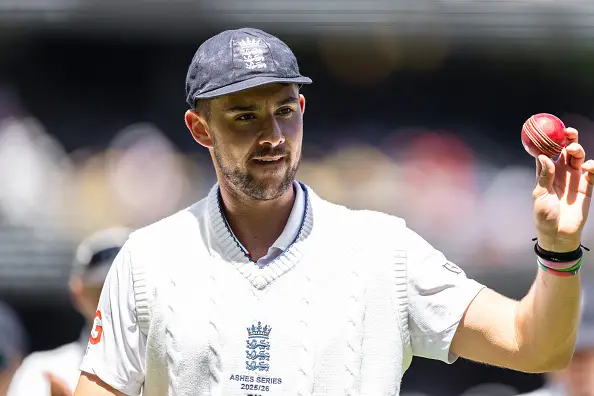
Should he remove Boland and claim a hat-trick, he would become only the second bowler in the entire recorded history of first-class cricket to get the same batter out twice as part of a hat-trick.
According to journalist Adam Collins, there is only one previous instance of that happening - in an English first-class game all the way back in 1844.
Years before international cricket was first played, an England side took on Kent in Canterbury, with bowler William Clarke dismissing John Fagge in each innings.
- If you want to see even more from SPORTbible, make us a preferred source on Google.
Fagge, who batted at number 11 in the first innings but didn't go on to bowl, came out at number three in the second innings.
ESPNcricinfo's Steven Lynch noted in 2008 that Clarke, who was 44 at the time, was in fact an underarm bowler.
Despite other players later adopting the new round-arm technique, Clarke stuck with underarm and continued playing first-class cricket until he was 57, taking seven wickets in his final appearance for Nottinghamshire.
 Ryan Smart